Understanding Your Afghan Hound's Coat: What Every Owner Should Know
Understanding Your Afghan Hound's Coat: What Every Owner Should Know
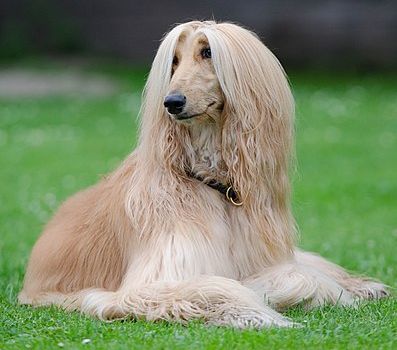
The Afghan Hound coat is a study in contradictions. It looks delicate but was built for harsh mountain terrain. It appears to flow effortlessly but requires more daily maintenance than almost any other breed. It's categorized as "long-haired" but actually has two completely different coat types on the same dog.
Understanding the mechanics of your Afghan's coat transforms grooming from a frustrating chore into an informed practice. Here's everything that matters.
Two Coats on One Dog: The Afghan Hound Coat Structure
The most distinctive feature of the Afghan Hound coat -- and the one most owners don't fully appreciate -- is that it's really two different coat types coexisting on the same animal.
The long coat covers most of the body: the legs, sides, chest, and hindquarters. This hair is extremely fine, silky, and grows to impressive lengths. On a well-maintained adult Afghan, the body coat can reach 8-10 inches or more. The texture is closer to human hair than to typical dog fur -- smooth, slippery, and with minimal curl.
The saddle runs along the back from the shoulders to the base of the tail. This hair is short, close-fitting, and has a distinctly different texture -- slightly coarser and smoother. The saddle is a natural feature, not a groomed effect. In a mature Afghan, the contrast between the long flowing body coat and the sleek saddle is striking.
The topknot is the long, silky hair on top of the head. It's the same fine texture as the body coat and grows long enough to fall over the face if not managed.
This dual-texture arrangement is genuinely rare in the dog world. Most breeds have uniform coat texture across their body. The Afghan's combination of fine flowing hair and close saddle coat developed over centuries of adaptation to the Afghan mountains, where the body needed protection from cold wind while the back -- exposed to sun at altitude -- needed a different type of coverage.
The Hair Growth Cycle
Afghan Hound hair grows slowly compared to breeds like Poodles, but continuously. There's no seasonal shedding cycle where the coat blows out and regrows. Instead, individual hairs grow, rest, and eventually fall out on their own timeline.
This continuous cycle means:
- Minimal shedding around your home -- loose hair tends to stay in the coat rather than falling out
- Mats form from trapped dead hair -- without removal through brushing, dead hair tangles with live hair
- Coat length stabilizes -- the hair doesn't grow indefinitely; it reaches a genetically determined maximum length, then the growth phase ends for that hair
Coat Color Varieties and What They Mean for Care
Afghans come in virtually every dog coat color, and the breed standard places no restrictions on color. Common colors include:
- Black -- Dramatic against the flowing coat. Can show dust and dander more visibly.
- Cream/white -- Stunning but shows staining easily, especially around the eyes and mouth. May need more frequent facial cleaning.
- Red/gold -- Perhaps the most classic Afghan look. Fairly maintenance-neutral color-wise.
- Blue -- A diluted black that appears grey-silver. Beautiful but can photograph oddly.
- Brindle -- Striped pattern that's less common but striking. No special care needs.
- Black and tan -- Dramatic contrast. The tan markings may lighten with age.
- Domino -- A unique pattern with a pale face mask against a darker body. Highly prized and relatively rare.
The Puppy to Adult Coat Transition
Afghan puppies are born with a fuzzy, short coat that looks nothing like the adult version. The transformation is one of the most dramatic in the dog world.
- Birth to 6 months: Short, fuzzy coat with minimal grooming needs
- 6-12 months: Coat begins lengthening. The transition period starts. Puppy fuzz and incoming adult hair coexist.
- 12-18 months: Active transition. Mats form more easily as textures clash. Increased grooming is critical.
- 18-24 months: Adult coat largely established. The saddle becomes clearly defined.
- 24-36 months: Full maturity. Coat reaches maximum length and develops its final adult texture.
A surprising number of Afghan Hound shave-downs happen during this transition period -- not because the owners are careless, but because they didn't anticipate the rapid change in grooming demands. Knowing it's coming helps you prepare.
Common Afghan Hound Coat Issues
Matting
The number one issue. Afghan hair mats from friction points first -- behind the ears, under the legs (where the leg meets the body), along the chest, and around the collar area. Daily inspection of these zones prevents small tangles from becoming painful mats.Coat Breakage
The fine Afghan hair is prone to breakage from rough handling, wrong brushes, or too-aggressive dematting. Broken hair creates uneven coat length and a ragged appearance. Use a pin brush rather than a wire slicker, and always spray with detangler before brushing to reduce friction.Static
Dry environments cause significant static in Afghan coats. Static makes the hair fly in all directions, attracts debris, and increases tangling. A light coat spray or humidifier in your home helps. This is more of an issue in winter or in arid climates.Staining
Light-colored Afghans develop tear stains, beard stains from food and water, and sometimes paw stains from licking. Regular face and beard wiping after meals, along with filtered water, can minimize staining.Thinning
Some Afghans experience coat thinning as they age, particularly after 7-8 years. Hormonal changes, nutritional factors, and health conditions can all contribute. A coat that thins suddenly or dramatically warrants veterinary evaluation.The Topknot: Care and Management
The Afghan's topknot deserves special attention. This long hair on the crown of the head is a defining breed feature and requires its own care protocol.
For show dogs, the topknot is typically wrapped in tissue paper or bands between grooming sessions to prevent breakage. The wraps are changed every few days.
For pet Afghans, most owners either:
- Let the topknot flow naturally (beautiful but requires daily detangling)
- Use a single band to keep it out of the eyes (practical and easy)
- Trim it shorter for convenience (reduces the classic Afghan silhouette but eliminates maintenance)
Building Your Afghan Coat Care Routine
Daily (20-30 minutes):
- Mist the coat lightly with detangling spray (never brush dry Afghan hair)
- Brush through with a pin brush, working in sections from the bottom up
- Use a wide-tooth comb to verify no tangles remain
- Check behind ears, under legs, and chest for developing mats
- Wipe face and beard if needed (especially light-colored dogs)
- Remove any debris immediately -- twigs, leaves, and burrs work deep into the coat fast
- Quick brush-through of areas that contacted ground or vegetation
- More thorough comb-through of the entire coat
- Ear check and cleaning if needed
- Paw pad hair check
- Full bath with breed-appropriate products
- Professional blow dry and straightening
- Complete comb-out
- Sanitary trim, nail trim, ear cleaning
- Topknot management
- Skin and coat health assessment
The Golden Rule of Afghan Coat Care
Never brush an Afghan Hound coat dry. This is the single most important rule for this breed's coat. Dry brushing creates static, causes breakage, and can actually make tangles worse by pulling hair tight rather than separating it.
Always mist with water, a leave-in conditioner, or a detangling spray before touching a brush to the coat. The moisture acts as lubricant, letting the brush glide through the hair instead of dragging and snapping it.
This one rule, followed consistently, will keep your Afghan's coat in better condition than any other single practice. It's simple, it takes 30 seconds, and it prevents the most common source of coat damage in the breed.
Your Afghan Hound's coat is one of nature's most beautiful creations. Understanding its structure, its quirks, and its needs makes the difference between a frustrating battle and an enjoyable part of life with one of the most elegant dogs on the planet.
---
Ready to streamline your grooming workflow? PawOps Board Manager helps salons track every Afghan Hound from check-in to pickup with real-time visibility. Start your free 30-day trial →