Why Your Afghan Hound Needs Professional Grooming (That Runway Coat Has Real Requirements)
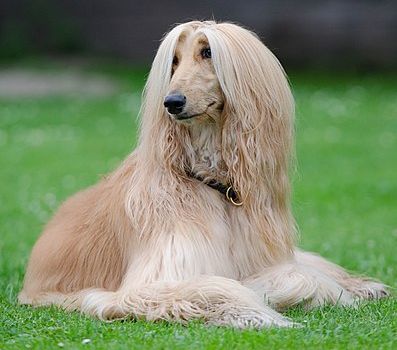
Why Your Afghan Hound Needs Professional Grooming (That Runway Coat Has Real Requirements)
The Afghan Hound's coat is, without exaggeration, one of the most spectacular in the entire canine world. Long, silky, and flowing -- it moves like a shampoo commercial and turns heads everywhere you go. But that beauty comes with a maintenance bill that surprises a lot of first-time Afghan owners.
Professional grooming isn't a luxury for this breed. It's the infrastructure that keeps that coat healthy, comfortable, and functional. Skip it, and you'll watch that gorgeous coat deteriorate into a painful, matted mess faster than you'd believe possible.
The Afghan Hound Coat Is Unlike Any Other Breed's
Before we get into why professional grooming matters, you need to understand what you're working with. The Afghan Hound's coat is genuinely unique among dog breeds.
The hair is extremely fine and silky -- closer in texture to human hair than to typical dog fur. It grows long on most of the body, with shorter, close-fitting hair on the face and along the back (called the "saddle"). The fine texture is what gives it that flowing, windswept look. It's also what makes it incredibly prone to tangling.
Fine hair tangles. If you've ever had long hair yourself or lived with someone who does, you know this. Now imagine that fine, tangle-prone hair covering an entire dog's body, dragging through grass, collecting debris on every walk, and never being cut shorter.
That's the Afghan Hound grooming reality. And it's why this breed needs professional hands on a regular basis.
Matting in Afghan Hounds Is a Health Issue, Not Just Cosmetic
Afghan Hound coats mat quickly and severely. The fine hair wraps around itself and tightens into dense knots that sit against the skin. Here's what most owners don't realize until they experience it: Afghan Hound mats are particularly difficult to remove without causing pain.
Because the hair is so fine, mats form closer to the skin than they do in coarser-coated breeds. There's less room to work between the mat and the skin, which means:
- Higher risk of cutting the skin during dematting attempts at home
- More discomfort for the dog during removal
- Greater likelihood that severely matted areas need to be shaved rather than saved
Professional groomers have the tools, the lighting, the restraint systems, and the training to demat an Afghan safely. They can distinguish between a mat that can be gently separated and one that needs to come off. Making that wrong call at home can result in skin lacerations.
What Afghan Hound Professional Grooming Includes
A proper Afghan grooming session is thorough and time-intensive:
- Full comb-out and dematting -- Working through the entire coat section by section. In a well-maintained Afghan, this might take 30-45 minutes. In a neglected coat, it can take 2+ hours.
- Bath with coat-specific products -- Afghan coats need high-quality conditioner. The wrong product makes the hair static-prone and more likely to tangle. Professional groomers use lightweight, silicone-free conditioners that add slip without weighing down the coat.
- Blow dry with straightening -- Air drying an Afghan is a recipe for tangling disaster. The coat needs to be dried straight with controlled airflow to prevent the hair from curling and knotting as it dries.
- Topknot styling -- The distinctive topknot on the Afghan's head needs to be properly managed. In show dogs, this is wrapped and banded between grooming sessions.
- Ear care -- Those long, pendulous ears are covered in fine hair that traps moisture and debris. Ear cleaning is critical.
- Nail trim -- Often hidden under all that leg feathering, nails can grow unchecked if not specifically addressed.
- Sanitary trim -- The fine hair around the rear and belly needs regular trimming for hygiene.
The Bathing Paradox
Here's something counterintuitive about Afghan Hound professional grooming: Afghans actually need to be bathed more frequently than most breeds, but every bath carries risk if done incorrectly.
The coat needs regular washing to prevent oil buildup, remove debris, and keep the hair silky and manageable. But bathing without proper conditioning and drying creates tangles. And tangles in an Afghan coat escalate to mats within hours, not days.
This is precisely why professional grooming matters for Afghans. A groomer knows the bath-condition-dry sequence that keeps the coat clean without creating new problems. The products matter, the water temperature matters, the drying technique matters. Get any of those wrong and you've made the coat worse, not better.
A piece of Afghan Hound history that puts their coat in perspective: the breed developed its long, fine coat in the mountains of Afghanistan, where temperatures can drop below zero. That flowing hair was functional insulation, and its fineness allowed it to dry quickly after fording mountain streams. The coat was never decorative -- it was survival equipment. Professional grooming preserves the coat's original engineering.
Why Home Grooming Alone Won't Cut It
Yes, you need to brush your Afghan at home. Every day. Sometimes twice a day after outdoor activity. But home brushing maintains -- it doesn't replace professional grooming. Here's why:
How Often Should Your Afghan Hound See a Professional Groomer?
The standard recommendation:
- Professional grooming: Every 4-6 weeks (every 4 weeks is ideal)
- Home brushing: Daily, 20-30 minutes minimum
- Home maintenance baths: Only if you have the right products and drying equipment; otherwise leave it to the pro
The Cost of Not Grooming Your Afghan Professionally
Skipping professional grooming for an Afghan Hound isn't just about appearance. The consequences compound:
- Matted coat causes chronic pain and restricted movement
- Skin infections develop under undetected mats
- Ear infections from unmanaged ear hair
- Severe matting requires complete shave-down, eliminating months or years of coat growth
- Shaved Afghan coats sometimes grow back with altered texture
Your Afghan Hound's coat is a commitment. But with the right professional grooming partner on a consistent schedule, it's a commitment that rewards you with one of the most breathtaking dogs you'll ever own.
---
Ready to streamline your grooming workflow? PawOps Board Manager helps salons track every Afghan Hound from check-in to pickup with real-time visibility. Start your free 30-day trial →