Why Your Japanese Akita Inu Needs Professional Grooming
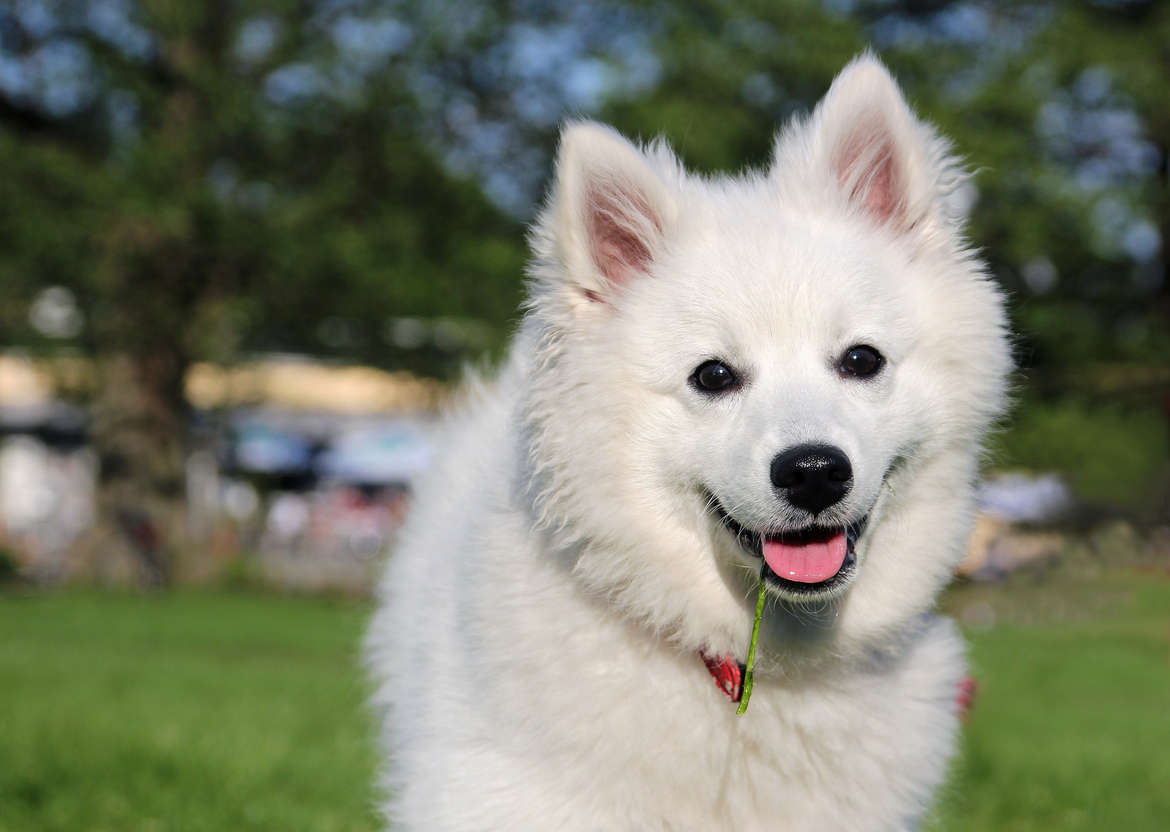
The Japanese Akita Inu is a national treasure of Japan -- a dignified, powerful spitz-type dog with a coat that's as beautiful as it is demanding. If you've ever weathered an Akita coat blow, you know exactly what we mean.
Professional grooming isn't just helpful for this breed -- it's one of the most important investments you can make in your Akita's health and comfort.
Understanding the Akita Double Coat
The Japanese Akita Inu has a dense, plush double coat consisting of:
- Guard hairs (outer coat): Straight, harsh, stand-off hairs that repel water and protect against elements
- Undercoat: Thick, soft, downy fur that insulates against extreme temperatures
But "self-cleaning" doesn't mean "self-maintaining." That undercoat needs professional-level attention, especially during seasonal transitions.
The Coat Blow Is Real
Twice a year (sometimes more in climate-controlled homes), your Akita will blow their undercoat. This isn't normal shedding -- it's a complete undercoat replacement that lasts 2-4 weeks and produces staggering amounts of loose fur.
During a coat blow, the undercoat loosens and releases in clumps. Without proper removal, this loose coat:
- Mats against the skin, trapping moisture and heat
- Creates ideal conditions for hot spots
- Reduces the coat's insulating properties (loose undercoat doesn't insulate)
- Makes your Akita uncomfortable and itchy
Why Professional Equipment Matters
The Akita's coat structure requires specific tools used correctly:
- High-velocity dryers: Force loose undercoat out without damaging guard hairs. Household blow dryers can't achieve this -- they lack the air volume needed to penetrate the coat
- Undercoat rakes: Professional-grade rakes with appropriate tooth spacing for Akita coat density
- Slicker brushes: Line-brushing technique that works through the coat layer by layer
- Coat king/stripping tools: Used judiciously to remove dead undercoat without cutting guard hairs
Skin Health Under All That Fur
Akitas are prone to several skin conditions:
- Sebaceous adenitis (an autoimmune condition affecting oil glands)
- Pemphigus (autoimmune skin disease)
- Allergies (environmental and food-related)
- Hot spots (especially during coat blows)
- Unusual flaking or scaling
- Red, irritated patches
- Hair loss patterns
- Changes in skin texture or oiliness
- Lumps or growths hidden under the coat
The Akita Temperament and Grooming
Japanese Akita Inus are independent, dignified, and reserved. They typically bond deeply with their family but can be aloof or suspicious with strangers. This temperament has grooming implications:
- Akitas may not readily accept handling from unfamiliar people
- They can be intolerant of prolonged restraint
- Some Akitas are same-sex aggressive and need separation from other dogs at the salon
- They respond to calm confidence, not force or high energy
- Works quietly and efficiently
- Doesn't try to force compliance through dominance
- Offers private grooming sessions or careful scheduling
- Builds familiarity over multiple appointments
- Respects the breed's personal space needs
Nail Care and the Akita's Structure
Akitas are medium-large dogs (70-130 pounds for Japanese Akitas) with a distinctive square build and heavy bone. Proper nail length is essential for maintaining their natural stance and gait.
Their nails are typically dark, making the quick impossible to see. Professional groomers know how to trim dark nails safely, taking small amounts at a time and reading the nail cross-section for signs of approaching the quick.
Between Professional Appointments
Professional grooming every 6-8 weeks should be supplemented with home maintenance:
- Brush 2-3 times per week with an undercoat rake (daily during coat blows)
- Check ears weekly for debris or odor
- Wipe paws after walks
- Monitor for hot spots, especially in warm weather
FAQ
How often should my Japanese Akita Inu be professionally groomed? Every 6-8 weeks for maintenance grooming. During coat blows (spring and fall), schedule an additional deshedding session 2-3 weeks into the blow for maximum loose coat removal.
Should I ever shave my Akita? No. Shaving a double-coated breed destroys the coat's structure. The undercoat grows back faster than guard hairs, resulting in a fuzzy, sun-vulnerable coat that no longer insulates properly. The damage can be permanent.
My Akita doesn't like other dogs. How do I handle grooming appointments? Request first-appointment or last-appointment slots when fewer dogs are present. Ask about private grooming options. Some groomers have separate entrances or holding areas for dog-selective breeds.
What products should my groomer use on my Akita? Look for pH-balanced, residue-free shampoos. Avoid heavy conditioners that weigh down the coat's natural stand-off texture. For Akitas with sebaceous adenitis, your vet may prescribe specific medicated shampoos.
How can I tell if my groomer is experienced with Akitas? Ask if they know not to trim/thin the guard hairs. Ask about their deshedding technique. A knowledgeable groomer will talk about line brushing, velocity drying for coat removal, and preserving coat texture -- not about "evening things out" with scissors.
---
Ready to streamline your grooming workflow? PawOps Board Manager helps salons track every Akita Inu (Japanese) from check-in to pickup with real-time visibility. Start your free 30-day trial →
Related Reading: