Understanding Your Akita's Coat: The Complete Guide for Owners
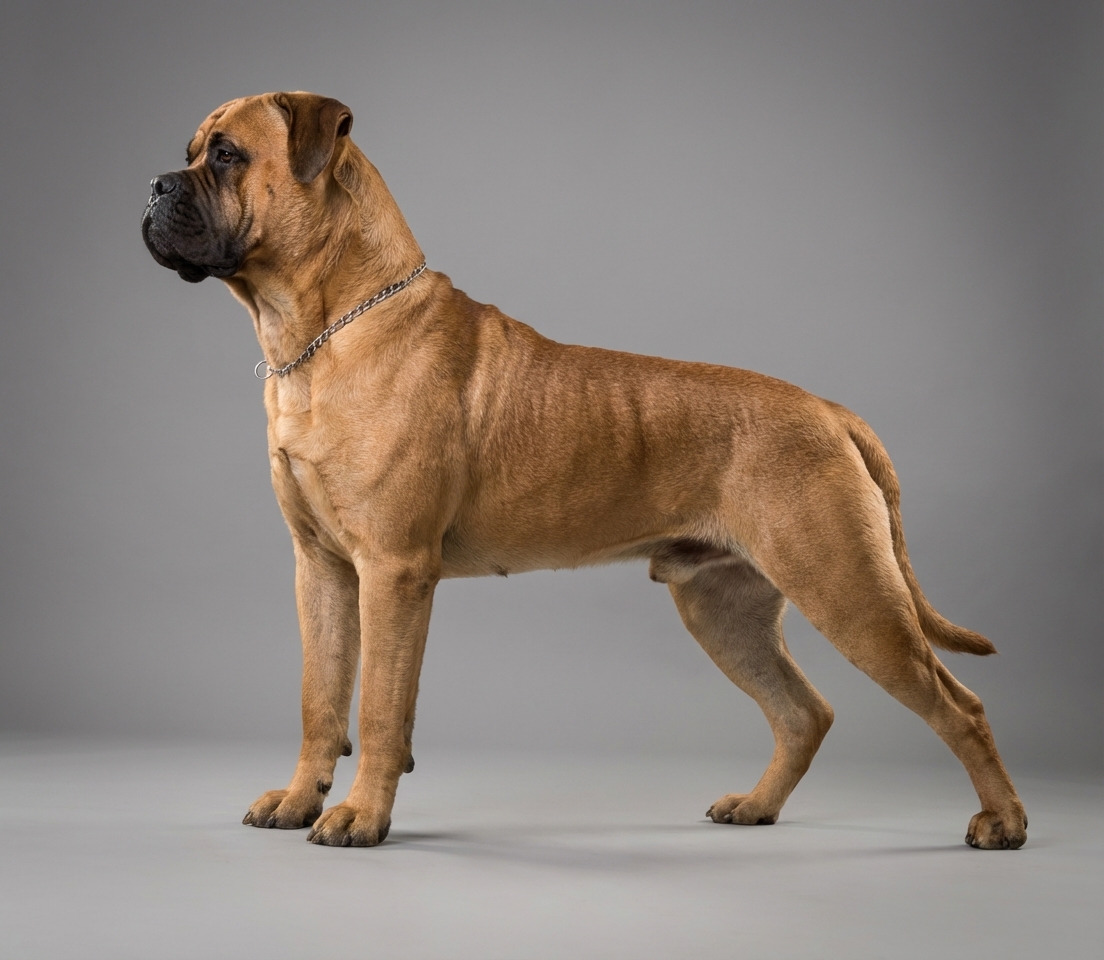
Understanding Your Akita's Coat: The Complete Guide for Owners
The Akita's coat is one of the most functional and beautiful coats in the dog world. Developed over centuries in the mountainous Akita prefecture of northern Japan, this coat was literally engineered by nature to withstand brutal winters, deep snow, and harsh winds.
Understanding how your Akita's coat works will completely change how you approach grooming, shedding, and overall coat care. Let's get into it.
Akita Coat Structure: Two Layers, One System
Your Akita's coat is a dual-layer system, and each layer serves a distinct purpose:
The Guard Coat (Outer Layer)
The outer coat consists of straight, harsh-textured hairs that stand somewhat off the body. These hairs are typically 2-3 inches long (shorter on the face and legs, longer on the body and tail). This layer is:- Water-resistant -- repels rain and snow
- UV-protective -- shields skin from sun damage
- Dirt-shedding -- debris tends to fall out naturally as the coat dries
The Undercoat
Beneath the guard coat lies a dense, soft, almost wool-like undercoat. This is where the magic -- and the grooming challenges -- live. The undercoat:- Insulates in winter -- traps body heat in cold weather
- Insulates in summer -- creates an air barrier against external heat
- Regulates temperature -- the dual-directional insulation is why you should never shave an Akita
American vs. Japanese Akita Coat Differences
If you're in the U.S., you may have either an American Akita or a Japanese Akita (Akita Inu), and their coats differ:
American Akita:
- Thicker, denser undercoat
- Wider range of colors (pinto, brindle, all colors)
- Slightly coarser outer coat
- Heavier coat blow periods
- Softer, finer coat texture overall
- Limited colors (red, brindle, white, sesame)
- Slightly less dense undercoat
- Still significant shedding, but less volume than American Akitas
The Coat Blow Cycle
This is the event that defines Akita ownership. Twice a year -- typically spring and fall -- your Akita will shed their entire undercoat over a 4-6 week period.
During coat blow:
- Large clumps of undercoat release from the body
- You can literally pull handfuls of loose fur from the coat
- Fur tumbleweeds will form on your floors overnight
- A single brushing session can fill a grocery bag
The timeline:
- Weeks 1-2: Shedding begins, mostly on the hindquarters and belly
- Weeks 2-4: Full-body shedding, peak volume
- Weeks 4-6: Shedding tapers, new undercoat begins growing in
Common Akita Coat Issues
Sebaceous Adenitis
Akitas are one of the breeds most susceptible to sebaceous adenitis (SA), an inflammatory disease that destroys the sebaceous glands. Signs include:- Dry, scaling skin
- Hair loss, typically starting on the top of the head
- Musty odor
- Dull, brittle coat
Hypothyroidism
Akitas have a higher-than-average rate of hypothyroidism, which directly impacts coat quality. Symptoms include:- Thinning coat, especially on the flanks and tail
- Excessive shedding outside normal blow periods
- Dry, dull coat that doesn't hold its shape
- Slow coat regrowth after blow
Hot Spots
Trapped moisture in the dense undercoat can create hot spots, especially during coat blow when dead fur compacts against the skin. Signs include red, moist, inflamed patches that spread rapidly.Allergic Dermatitis
Environmental allergies show up as itching, redness, and coat quality changes. Akitas can be sensitive to grass, pollen, and certain grooming products.Akita Coat Care: The Complete Protocol
Daily/Weekly Home Care
Off-season (non-blow periods):
- Brush 2-3 times per week with an undercoat rake
- Use a pin brush for the outer coat
- Check for matting behind ears, on the ruff, and on the "pants" (rear leg feathering)
- Brush daily -- no exceptions
- Use an undercoat rake first, then a slicker brush
- Focus on areas where undercoat releases first: belly, hindquarters, ruff
- A warm bath followed by thorough drying accelerates the blow process
Professional Grooming
Every 6-8 weeks off-season, every 2-3 weeks during coat blow:
- Full bath with coat-appropriate shampoo (avoid stripping natural oils)
- High-velocity force drying (the most important step)
- Professional deshedding with appropriate tools
- Nail trim, ear clean, sanitary trim
- Full skin inspection
Products That Work (and Don't)
Use:
- Undercoat rakes with rotating teeth
- Pin brushes with rounded tips
- Conditioning sprays designed for double coats
- Shampoos formulated for thick, double coats
- Furminator-style tools used too aggressively (can cut the guard coat)
- De-matting sprays with silicone (coats the fur and traps heat)
- Any product labeled "shedding control" that claims to stop shedding (nothing stops an Akita coat blow)
The Golden Rule: Never Shave an Akita
This cannot be emphasized enough. Shaving an Akita:
- Destroys the coat's insulation properties
- Exposes skin to sunburn and UV damage
- Can cause post-clipping alopecia (the coat may never grow back correctly)
- Removes the texture difference between guard coat and undercoat permanently
- Actually makes the dog hotter in summer by removing the air-barrier insulation
Nutrition and Coat Health
What goes into your Akita directly affects what comes out in coat quality:
- Omega-3 and Omega-6 fatty acids -- Support skin health and coat luster
- High-quality protein -- The coat is 95% protein (keratin); poor nutrition means poor coat
- Biotin -- Supports healthy hair growth and reduces excessive shedding
- Zinc -- Zinc deficiency is relatively common in northern breeds and causes coat problems
Living With the Akita Coat
Let's be real -- living with an Akita means living with fur. No amount of grooming eliminates shedding entirely. But understanding your Akita's coat cycle, investing in proper professional grooming, and maintaining a consistent home care routine transforms the experience from chaotic fur management to straightforward maintenance.
Your Akita's coat is a masterpiece of natural engineering. Treat it with the respect it deserves, and it'll keep your dog comfortable, healthy, and looking absolutely regal.
---
Ready to streamline your grooming workflow? PawOps Board Manager helps salons track every Akita from check-in to pickup with real-time visibility. Start your free 30-day trial →