Why Your Akita Needs Professional Grooming (Spoiler: It's the Undercoat)
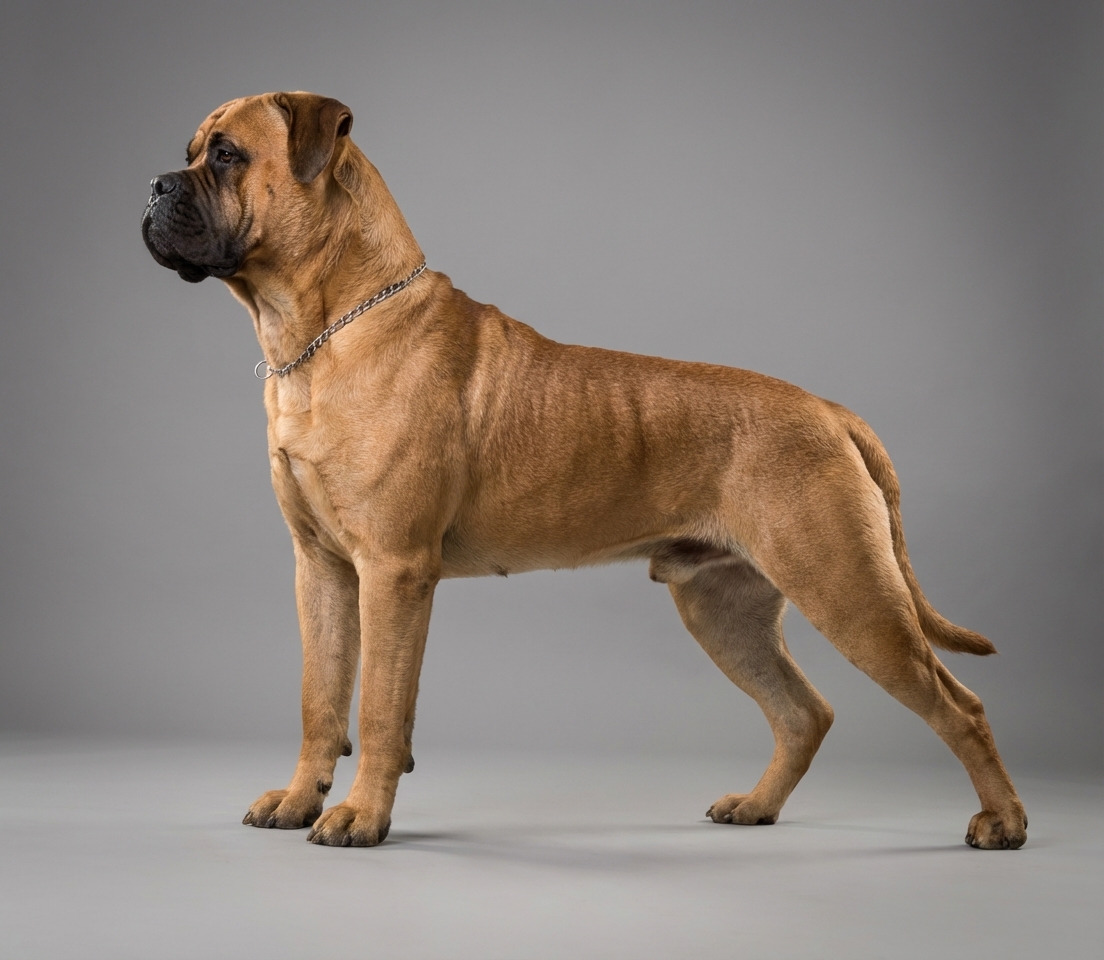
Why Your Akita Needs Professional Grooming (Spoiler: It's the Undercoat)
Owning an Akita is a commitment. These are powerful, dignified dogs with a coat that was engineered for surviving Japanese mountain winters. And twice a year, that coat decides to evacuate your dog's body in what can only be described as a fur apocalypse.
If you've been trying to manage your Akita's grooming at home with a brush and a prayer, it's time to talk about why professional grooming isn't optional for this breed.
The Undercoat Situation
Akitas have a thick double coat -- a harsh, straight outer coat that stands off the body, and a dense, plush undercoat that's almost cotton-like in texture. That undercoat is the star of this show, and it's going to test your patience.
Twice a year, typically in spring and fall, Akitas undergo a full coat blow. During these periods, the undercoat releases in massive clumps. We're talking handfuls of fur pulling out with each brush stroke. A single deshedding session on an Akita in full blow can fill an entire garbage bag with loose undercoat fur. That's not an exaggeration -- groomers regularly report this.
Professional groomers use high-velocity dryers that literally blast the loose undercoat out of the coat. This is the single most effective tool for managing an Akita's coat blow, and it's something you simply can't replicate at home with a household blow dryer.
Akita Professional Grooming Goes Way Beyond Shedding
Let's be clear about what a professional Akita grooming session covers:
Thorough bathing. Akitas need breed-specific shampoo that cleans without stripping the natural oils that protect their outer coat. The bath alone takes time -- you need to work product through that dense undercoat, which resists water like it was designed to (because it was).
High-velocity drying. This is the game-changer. A professional dryer forces air through the coat, removing loose undercoat, debris, and moisture that a towel or home dryer would leave behind. Moisture trapped in an Akita's undercoat can lead to hot spots and fungal infections.
Deshedding treatment. After the bath and dry, groomers use specialized deshedding tools -- rakes, combs, and sometimes specific undercoat removal tools -- to extract remaining loose fur. This process can take 30-60 minutes on a large Akita.
Nail trimming. Akitas are large, strong dogs with thick nails. Many owners are understandably nervous about trimming nails on a 100-pound dog that may have opinions about the process. Professional groomers handle this safely and efficiently.
Ear cleaning. While Akitas have upright ears that ventilate better than floppy-eared breeds, they still need regular cleaning to prevent wax buildup and infection.
Sanitary trimming. The long fur around the rear can trap waste and cause hygiene issues. A professional sanitary trim keeps things clean without altering the Akita's natural appearance.
The Health Connection
Here's where professional grooming becomes a health investment, not just an aesthetic one:
Akitas are prone to several skin conditions, including sebaceous adenitis (an inflammatory disease that attacks the oil glands) and pemphigus (an autoimmune skin condition). Regular professional grooming sessions serve as early detection checkpoints. A groomer who works with your Akita regularly will notice changes in skin condition, coat texture, or unusual bumps that you might miss under all that fur.
According to the Akita Club of America, approximately 12% of Akitas will develop some form of autoimmune skin condition during their lifetime. Early detection through regular grooming can mean the difference between manageable treatment and expensive, chronic veterinary care.
Akitas are also notorious for hiding discomfort. Their stoic nature means they often don't show pain until a problem has progressed significantly. A groomer's hands-on examination of every inch of the body catches things that visual-only checks miss.
Why DIY Grooming Falls Short
Look, plenty of Akita owners do regular at-home brushing, and that's great -- you should be brushing your Akita 2-3 times per week minimum. But home brushing has real limitations:
- Surface-only reach. Most at-home brushing only gets the top layer. The undercoat, where problems start, stays compacted.
- Inadequate drying. Bathing your Akita at home without a high-velocity dryer means moisture sits in the undercoat for hours. That's a recipe for hot spots.
- Equipment gaps. Professional deshedding tools, dryers, and grooming tables aren't household items. The investment to buy them often exceeds years of professional grooming costs. Use our free pricing calculator →
- Physical challenge. Akitas are big, strong, and sometimes opinionated about being groomed. A professional groomer has the setup, the technique, and the experience to handle a 100-pound dog safely.
The Grooming Schedule
For Akitas, the recommended professional grooming schedule is:
- During coat blow (spring/fall): Every 2-3 weeks until the blow is complete (typically 4-6 weeks)
- Off-season: Every 6-8 weeks
- Year-round: Weekly brushing at home between professional sessions
Choosing the Right Groomer for Your Akita
Not every groomer is comfortable or experienced with Akitas. When choosing a groomer:
- Ask if they have experience with large, double-coated breeds
- Confirm they have a high-velocity dryer (non-negotiable for Akitas)
- Ask about their approach to handling large dogs -- Akitas require calm, confident handling
- Visit the facility -- Akitas do better in calm, less chaotic grooming environments
The Real Cost of Skipping Professional Grooming
Let's put this in perspective:
- Professional grooming session: $75-$100
- Treating a hot spot at the vet: $100-$300
- Sebaceous adenitis treatment: $200-$500 per flare
- Your sanity during coat blow without professional help: priceless
---
Ready to streamline your grooming workflow? PawOps Board Manager helps salons track every Akita from check-in to pickup with real-time visibility. Start your free 30-day trial →