Why Your Alapaha Blue Blood Bulldog Needs Professional Grooming
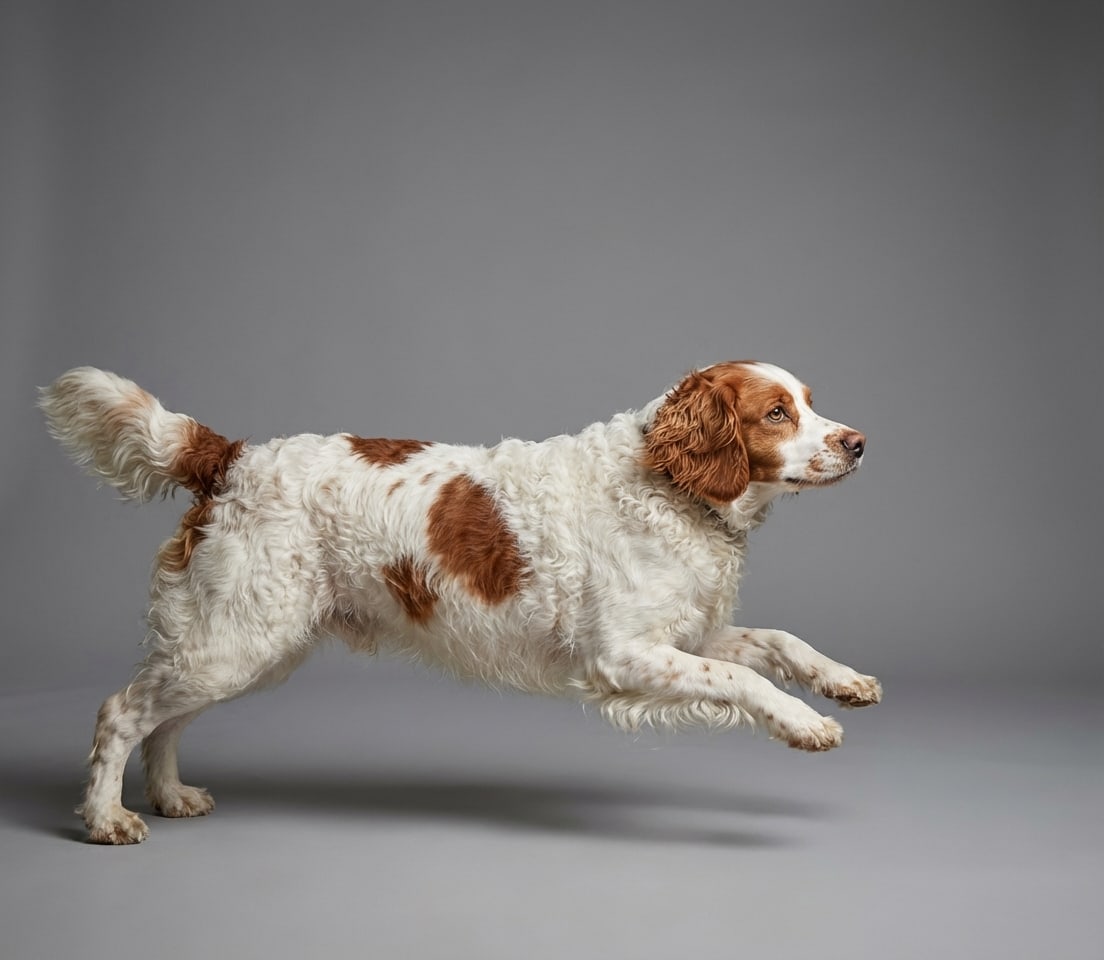
The Alapaha Blue Blood Bulldog is one of the rarest breeds in the United States -- with fewer than 1,000 estimated to exist. If you're lucky enough to own one, you know these plantation bulldogs are loyal, protective, and powerfully built. What you might not realize is how much their grooming needs differ from other bulldog types.
Professional grooming keeps your Alapaha healthy, comfortable, and looking as regal as their "blue blood" name suggests.
A Working Bulldog's Coat
The Alapaha has a short, stiff coat that's relatively coarse to the touch. Unlike some smooth-coated bulldog breeds, the Alapaha's coat has a slightly rougher texture -- a legacy of their working heritage on Southern plantations where they served as catch dogs and property guardians.
This coat:
- Sheds moderately year-round with seasonal increases
- Is dense enough to provide some weather protection
- Can trap dead coat close to the skin if not properly maintained
- Shows skin health clearly (patches, redness, or irritation are visible)
Skin Considerations Specific to the Breed
Alapahas have moderate wrinkling -- less than an English Bulldog but more than a Pit Bull. Key areas of concern:
- Facial folds around the muzzle (particularly in heavier-headed individuals)
- Neck rolls in thicker-set dogs
- Areas where skin bunches during movement (elbows, chest folds)
The American Rare Breed Association notes that rare breeds often benefit more from professional grooming because fewer veterinarians have breed-specific experience -- making the groomer's regular health observations particularly valuable.
The Size Factor
Alapahas are substantial dogs -- 60-95 pounds of solid muscle. They're wider and more powerful than many owners expect from a "medium-large" breed. Professional grooming benefits at this size:
- Proper bathing with water pressure that reaches the skin
- Drying with equipment strong enough for their coat density
- Nail trimming on a dog strong enough to pull away
- Handling that's safe for both the dog and the groomer
- Appropriate tub and table sizes for their frame
Nail Health for an Athletic Build
Alapahas are athletic, muscular dogs designed for work. They need nails maintained at a short, functional length to:
- Maintain proper foot placement during activity
- Avoid altered gait that stresses joints
- Prevent painful nail splitting or tearing during exercise
- Support the breed's natural, confident movement
Ear Care
The Alapaha's ears are natural -- typically rose or half-pricked, sitting fairly close to the head. While this provides better airflow than full drop ears, ear maintenance is still important:
- Regular cleaning removes wax and debris
- Inspection catches early signs of infection
- Consistent care prevents chronic ear issues
- Allergy-related ear inflammation gets caught early
Building Trust With a Protective Breed
Alapahas are loyal and protective -- bred to guard family and property. They bond deeply with their people and can be reserved with strangers. This means grooming socialization matters enormously.
Best practices:
- Start professional grooming by 12 weeks of age
- Use the same groomer consistently
- Keep initial sessions short and positive
- Avoid overwhelming environments during early visits
- Build up to full grooming sessions gradually
The Rare Breed Grooming Challenge
With fewer than 1,000 Alapahas in existence, finding a groomer who has worked with the breed before is unlikely. What you need instead:
- A groomer experienced with bully breeds in general
- Someone who understands protective/guardian breed temperaments
- Willingness to learn your specific dog's needs
- Openness to communicating with your breeder about coat and skin specifics
What a Grooming Session Covers
For an Alapaha Blue Blood Bulldog:
The Preservation Angle
As a rare breed owner, you're part of a preservation effort. Keeping your Alapaha in optimal health -- including coat and skin health -- supports the breed's longevity and vitality. Professional grooming is one part of that complete care approach.
Healthy skin and coat also matter for breeding stock. Skin conditions can be hereditary, and regular professional assessment helps identify potential issues that factor into breeding decisions.
FAQ
How often should I take my Alapaha Blue Blood Bulldog to a groomer? Every 5-7 weeks for most Alapahas. Their skin folds and moderate shedding benefit from consistent professional attention. Between visits, brush weekly and clean folds daily.
My groomer has never seen an Alapaha before. Is that a problem? Not necessarily. Experience with similar breeds (American Bulldogs, Olde English Bulldogges, Pit Bulls) transfers well. Share breed-specific information and your dog's individual needs with your groomer.
Do Alapahas have specific skin problems I should tell my groomer about? Alapahas can be prone to allergies, folliculitis, and skin sensitivity similar to other bully breeds. Let your groomer know about any diagnosed conditions, current medications, and areas your dog tends to be sensitive about.
Is the Alapaha's coat different from an American Bulldog's? Slightly. Alapahas tend to have a coarser, stiffer coat texture. Grooming needs are similar though -- regular deshedding, skin monitoring, and fold maintenance apply to both breeds.
Should I be doing anything special at home between grooming visits? Daily fold cleaning, weekly brushing, regular ear checks, and monitoring for skin changes. Also keep their bedding clean -- dirty bedding is a common source of skin irritation in sensitive breeds.
---
Ready to streamline your grooming workflow? PawOps Board Manager helps salons track every Alapaha Blue Blood Bulldog from check-in to pickup with real-time visibility. Start your free 30-day trial →
Related Reading: