Understanding Your Alaskan Malamute's Coat: What Every Owner Should Know
Understanding Your Alaskan Malamute's Coat: What Every Owner Should Know
The Alaskan Malamute's coat is the product of thousands of years of survival engineering. This isn't a coat that was bred for show rings or living room aesthetics -- it was developed in one of the most unforgiving climates on Earth, and every characteristic exists for a reason.
Understanding your Malamute's coat helps you care for it properly, anticipate what's coming (spoiler: hair everywhere, always), and recognize when something is off. Here's the complete guide.
Alaskan Malamute Coat Structure: Built for the Arctic
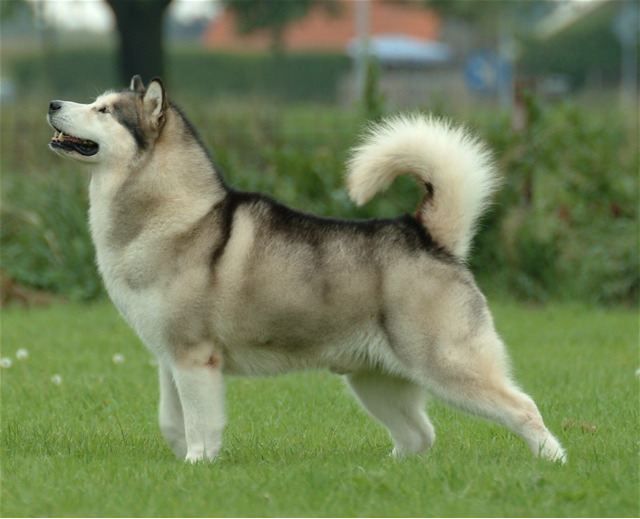
The Malamute's coat is a true Arctic double coat -- one of the densest and most functional in the canine world.
Guard hairs (outer coat): Long (2-4 inches depending on body location), coarse, and stand-off. These hairs grow away from the body rather than lying flat, creating the Malamute's characteristic puffy appearance. The texture is harsh and slightly oily -- this oil is what makes the coat naturally water-repellent.
Guard hair length varies across the body:
- Shortest: Face, front of legs, feet
- Medium: Back, sides, chest
- Longest: Neck ruff (forming a pronounced mane, especially in males), shoulders, tail plume, and back of thighs ("pants" or breeching)
The undercoat fibers are extremely fine -- individual hairs are thinner than human hair. This fineness allows them to trap air in microscopic pockets, creating insulation that's remarkably efficient relative to its weight.
Here's a surprising fact that puts the coat's density in perspective: a single square inch of Alaskan Malamute coat can contain approximately 800-1,500 individual hairs. For comparison, human head hair averages about 100-150 hairs per square inch. Your Malamute is carrying roughly 10 times the hair density of your own head, over their entire body.
Alaskan Malamute Coat Colors and Patterns
Malamutes come in a wider color range than many people realize:
Standard colors:
- Gray and white -- The most common and "classic" Malamute color. Gray ranges from light silver to dark wolf-gray.
- Black and white -- Striking contrast with a black overlay and white underside
- Sable and white -- Red or gold tones with black tipping
- Red and white -- Ranges from light copper to deep mahogany
- Seal and white -- Black outer coat with white or cream undercoat, appearing very dark
- All white -- Rare and striking. The only solid color accepted in the breed standard.
- White undersides -- The belly, legs, feet, and part of the face are typically white
- Face mask or cap -- Dark coloring on the head, often with a white blaze and/or white cap
- Bar markings -- Darker markings between the eyes, sometimes extending to the bridge of the nose
- Light-colored Malamutes (white, light gray, light red) show staining from saliva, tears, and urine more prominently. Regular face and sanitary area cleaning helps manage staining.
- Dark Malamutes (black, seal, dark gray) show dandruff, dander, and dust more visibly. Regular brushing removes the white speckled appearance that dead skin creates on dark coat.
- Red and sable Malamutes sometimes have softer-textured guard hairs than gray or black Malamutes, which can mean slightly more proneness to tangling in the longer coat areas.
The Alaskan Malamute Shedding Cycle: Embrace the Inevitable
If you own a Malamute, you live with hair. There's no way around this. The question is how much, when, and what you can do about it.
Year-Round Shedding
Malamutes shed constantly at a moderate background level. Guard hairs reach the end of their growth cycle and fall out regularly, and small amounts of undercoat release continuously. You'll find hair on clothing, furniture, in your food, in places you didn't know existed. This is baseline Malamute life.
The Seasonal Coat Blow (Twice a Year)
Twice annually -- typically spring and fall, triggered by changes in daylight duration more than temperature -- the Malamute blows their undercoat. This is one of the most dramatic shedding events in the dog world.
What happens during a coat blow:
During peak blow, you can literally pull handfuls of undercoat off your Malamute by running your fingers through the coat. It's not painful for the dog -- the hair has already detached from the follicle. But the volume is staggering. Many Malamute owners fill multiple trash bags with shed undercoat during a single blow cycle.
Factors Affecting Shedding
- Indoor living: Malamutes kept primarily indoors with consistent temperature and artificial lighting may have less distinct seasonal blows, instead shedding more evenly throughout the year. The total volume is similar; the timing is just spread out.
- Climate: Malamutes in cold climates grow thicker undercoat and have more dramatic seasonal blows. Those in warm climates grow less undercoat but may shed more continuously.
- Spay/neuter status: Hormonal changes from spaying or neutering can temporarily alter shedding patterns. Intact females typically blow coat after each heat cycle.
- Health and nutrition: Stress, illness, poor nutrition, and hormonal disorders all increase shedding beyond normal levels.
- Age: Senior Malamutes (8+ years) often grow thinner, sparser coats and may shed less dramatically.
What Your Alaskan Malamute Coat Is Telling You
The coat is your dog's health dashboard. Learn to read it.
Healthy Malamute coat characteristics:
- Dense, plush undercoat with consistent depth
- Coarse, stand-off guard hairs with a slight sheen
- Clean, healthy skin when parted -- pink, smooth, no flaking
- Even shedding (no patchy areas outside of normal seasonal blow)
- Hair regrows normally after seasonal coat blow
- No excessive scratching, licking, or chewing at the coat
- Thin or patchy coat outside of seasonal blow: Could indicate thyroid disorders (hypothyroidism is common in Malamutes), nutritional deficiency, hormonal imbalance, or dermatological disease. Malamute coats should be thick and even -- visible thinning is always significant.
- Dull, dry guard hairs: Usually nutritional (omega fatty acid deficiency) or indicates dehydration. Can also signal thyroid issues. The guard hairs should have a subtle sheen; a matte, straw-like texture is a red flag.
- Excessive dandruff: Dry skin from low humidity, over-bathing, or nutritional deficiency. Can also indicate zinc-responsive dermatosis, which large breeds including Malamutes are predisposed to. This condition causes crusting and scaling that doesn't respond to regular moisturizing.
- Hot spots: Localized, moist, red, inflamed patches. Extremely common in thick-coated breeds during warm months. The dense undercoat traps moisture and heat, creating ideal conditions for bacterial skin infections. Hot spots on Malamutes can expand rapidly because the dense coat continues to trap moisture even after the initial infection starts.
- Coat that doesn't grow back after shaving: If a Malamute has been shaved (which should never happen), the coat may grow back unevenly -- typically with excessive undercoat and sparse guard hairs, creating a woolly texture that mats easily and doesn't provide proper protection. This condition, sometimes called "post-clipping alopecia," can be permanent.
- Guard hairs losing their stand-off quality: If the outer coat starts lying flat rather than standing away from the body, it may indicate guard hair damage from improper grooming tools, or it may signal a shift in coat quality related to age, health, or nutritional changes.
Caring for the Alaskan Malamute Coat at Home
Brushing (Non-Negotiable)
Minimum frequency: Twice a week. Daily during coat blow.
The line brushing technique (essential for Malamutes):
Regular surface brushing doesn't reach the undercoat on a Malamute. You need to line brush:
This takes 15-30 minutes per session, depending on coat condition. It's the difference between brushing the surface (accomplishes little) and actually maintaining the coat.
Tool arsenal:
- Undercoat rake -- Primary tool for undercoat removal. Use with gentle, long strokes.
- Slicker brush (large) -- For working through guard hairs and catching loose undercoat near the surface
- Pin brush -- For finishing and daily touch-ups on the longer coat areas
- Steel comb (wide-toothed) -- For checking your work. If the comb passes through smoothly, the section is clear.
- High-velocity dryer (if you invest in one) -- The most effective single tool for undercoat removal between professional visits
- Furminator-type tools -- Effective during heavy shedding but can damage guard hairs and thin the coat if overused. Limit to once a week during coat blow, never during normal periods.
Bathing
Frequency: Every 6-8 weeks, or as needed.
Bathing a Malamute at home is a project. The coat's density and water-repelling properties make it genuinely challenging to get the dog wet to the skin. And getting them fully dry is even harder.
- Use lukewarm water and work the spray directly against the skin. It takes time -- be patient.
- Use a deshedding or high-quality dog shampoo. Work it through the coat with your fingers, not just applied to the surface.
- Rinse extremely thoroughly. The dense undercoat traps shampoo residue, which causes itching and skin irritation.
- Dry completely. This is critical. A damp Malamute undercoat is a hot spot waiting to happen. A high-velocity dryer is ideal. If you don't have one, towel dry as thoroughly as possible and consider scheduling the bath on a warm, breezy day so the coat can finish drying outdoors.
Nutrition for Coat Excellence
The Malamute coat is hungry for nutrients:
- Omega-3 fatty acids (EPA and DHA): The single most impactful supplement for coat health. Fish oil, salmon oil, or krill oil. Results visible within 4-6 weeks. Reduces shedding intensity, improves guard hair sheen, and supports skin health.
- High protein diet (25-30%): The coat is essentially protein. Active Malamutes need substantial protein intake to support both muscle and coat maintenance.
- Adequate fat (15-18%): Fat fuels coat health. A low-fat diet produces a thin, dry, dull coat.
- Zinc: Important for skin health and coat growth. Large breeds are prone to zinc-responsive dermatosis -- some Malamutes benefit from zinc supplementation beyond what's in their food.
- Coconut oil: Can be added to food (1 teaspoon per 20 pounds) or applied topically to dry skin areas. Supports coat moisture from the inside out.
The Alaskan Malamute Coat and Climate
Cold weather (the coat's domain): This is what the coat was built for. In temperatures down to -20 degrees Fahrenheit and below, the full Malamute coat provides sufficient insulation for extended periods. The guard hairs shed snow and ice while the undercoat maintains body temperature.
Hot weather (the tricky part): Malamutes in warm climates require extra attention. The coat does provide some heat protection (the undercoat creates an air buffer), but prolonged heat exposure is dangerous for this Arctic breed. Key points:
- Never shave the coat. The guard hairs provide UV protection and the air layer provides insulation against external heat. Removing the coat increases heat absorption and sunburn risk.
- Ensure thorough deshedding during spring coat blow. A coat packed with dead undercoat loses its cooling airflow properties.
- Provide shade, water, and cooling options during warm months. The coat helps, but it has limits.
- Monitor for overheating -- panting, lethargy, and seeking cool surfaces are signals.
Common Malamute Coat Myths
Myth: Shaving a Malamute cools them down. Reality: Shaving removes UV protection and disrupts temperature regulation. The coat grows back incorrectly -- often with excessive undercoat and sparse guard hairs, creating a coat that actually insulates more heat than the original.
Myth: Malamutes shouldn't live in warm climates. Reality: They can thrive in warm climates with proper care, shade, air conditioning, and coat management. They just can't be treated like desert-adapted breeds.
Myth: Frequent bathing reduces shedding. Reality: Over-bathing strips natural oils, leading to dry skin and actually increased shedding. Proper brushing and professional deshedding are far more effective.
Myth: All Malamutes are gray and white. Reality: The breed comes in gray, black, sable, red, seal, and all-white varieties with various marking patterns.
Your Alaskan Malamute's coat is one of nature's finest engineering achievements -- a portable climate control system that's been refined over millennia. It demands respect, attention, and consistent care. But when properly maintained, it's magnificent. Dense, plush, gleaming, and functional -- exactly what thousands of years of Arctic breeding intended.
---
Ready to streamline your grooming workflow? PawOps Board Manager helps salons track every Alaskan Malamute from check-in to pickup with real-time visibility. Start your free 30-day trial →