Understanding Your American Eskimo Dog (Miniature) Coat: What Every Owner Should Know
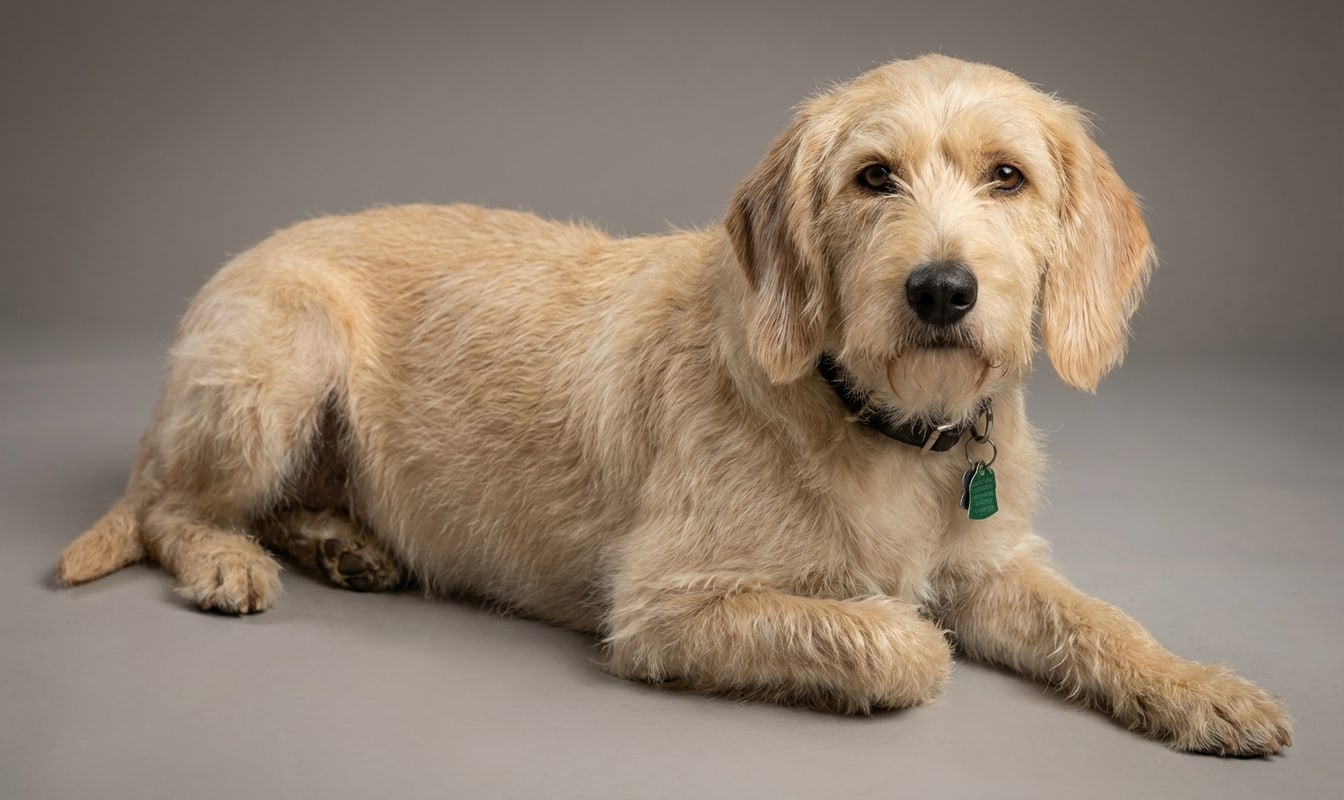
The American Eskimo Dog's coat is the breed's crowning glory -- a profuse, sparkling white double coat that commands attention wherever the dog goes. Understanding its structure, growth patterns, and maintenance needs helps you preserve this remarkable feature while keeping your dog healthy.
Coat Structure and Characteristics
Undercoat: Dense, short, and soft with a cotton-like or plush texture. This is the insulating layer that provides warmth and body. It grows thicker in winter and sheds (blows) in spring/summer.
Outer coat (guard hairs): Longer, straight hair that stands off from the body. Creates the breed's characteristic "standoff" appearance. Coarser than the undercoat but not harsh. Approximately 2-3 inches on the body.
Ruff: Pronounced, heavy furnishing around the neck and chest creating a "lion's mane" effect. More prominent in males. This is the breed's signature feature.
Breeches: Longer coat on the upper rear legs creating a "pantaloon" effect.
Tail plume: Heavy, profuse coat on the tail which is carried over the back. The plume fans out dramatically.
Face and lower legs: Shorter, tighter coat. Clean lines frame the fox-like face.
The United Kennel Club breed standard states: "The coat of the American Eskimo Dog is its crowning glory... The coat is not trimmed except to give a neat appearance to the feet and rear pasterns." This is a natural-coat breed -- the beauty comes from proper maintenance, not styling.
Color and Markings
Accepted colors:
- Pure white (most common and preferred)
- White with biscuit cream (light tan markings, especially on ears and around the face)
Color changes to watch:
- Yellowing (from saliva, urine, sun, or oxidation -- cosmetic, manageable)
- Red-brown tear staining (very common, cosmetic, manageable)
- Pink skin showing through (normal where coat is thin -- nose, eye rims)
- Actual color change in patches (may indicate a health issue -- consult vet)
Shedding Patterns
Year-round baseline: Moderate daily shedding. White hairs on everything dark you own. This is constant and permanent.
Spring blowout (3-4 weeks): The dense winter undercoat releases dramatically. For a 10-20 pound dog, the volume of shed hair is genuinely surprising -- filling brush after brush. The coat may look thin or patchy during this transition.
Fall thickening (2-3 weeks): Lighter summer undercoat sheds to make room for incoming winter density. Less dramatic than spring but noticeable.
Hormonal shedding: Unspayed females may shed heavily after heat cycles. Both sexes may shed more during stress or illness.
Per research from the American Eskimo Dog Club, the breed's shedding volume relative to body size exceeds most other small breeds -- a consequence of the extremely dense undercoat relative to the compact body.
The White Coat Challenge
Owning a white-coated breed means managing visibility:
Tear staining: The reddish-brown stains below the eyes are caused by porphyrins in tears. More visible on white coats. Management:
- Daily wiping with a damp cloth
- Keep facial hair trimmed short around eyes
- Check for blocked tear ducts if severe
- Professional stain treatment during grooming
Environmental staining: Grass stains, dirt, and outdoor elements show immediately. Regular bathing with whitening products maintains brightness.
Sun yellowing: UV exposure can yellow white coats over time. The coat provides natural UV protection but prolonged exposure affects color.
Home Maintenance Routine
Every Other Day (10-15 minutes)
Weekly (20-30 minutes)
During Blowout Season (15-20 minutes daily)
Essential Tools for Eskie Owners
| Tool | Purpose | Frequency | |------|---------|------------| | Slicker brush | Primary detangling and dead hair removal | Every other day | | Steel comb (wide and fine) | Mat detection, furnishing care | Every other day | | Undercoat rake | Seasonal deshedding | During blowouts | | Pin brush | Gentle finishing, fluffing | After brushing | | Grooming wipes | Eye area, daily face cleaning | Daily | | Quality whitening shampoo | Maintaining brilliance | At bath time |
Common Coat Issues
Matting in the ruff: The heaviest furnishing mats fastest due to density. Collar friction accelerates this. Use a martingale collar or harness rather than a standard collar when possible.
Tail plume tangles: The plumed tail, especially where it rests against the back, develops tangles that tighten quickly. Check and comb daily.
Undercoat impaction: If dead undercoat isn't removed during blowouts, it compresses against the skin. This blocks air circulation, causes overheating, and creates conditions for hot spots.
Coat breakage: Over-brushing dry coat causes breakage. Always use a light mist of detangling spray before brushing. Never brush a completely dry Eskie coat without some moisture or product.
Post-bath issues: The dense undercoat holds water tenaciously. Incomplete drying leads to mildew smell and skin problems. Always dry thoroughly -- this is why professional high-velocity dryers matter.
Temperature and Environment
The Mini Eskie's coat is designed for cold weather:
- Thrives in temperatures below 60F
- Comfortable in snow and cold (this is their element)
- Needs shade and water in heat above 80F
- The coat insulates against heat -- never shave thinking it will cool them
- Indoor dogs in warm climates may shed more continuously due to artificial temperature consistency
---
Ready to streamline your grooming workflow? PawOps Board Manager helps salons track every American Eskimo Dog (Miniature) from check-in to pickup with real-time visibility. Start your free 30-day trial →
Related Reading: