Understanding Your American Eskimo Dog's Coat: What Every Owner Should Know
Understanding Your American Eskimo Dog's Coat: What Every Owner Should Know
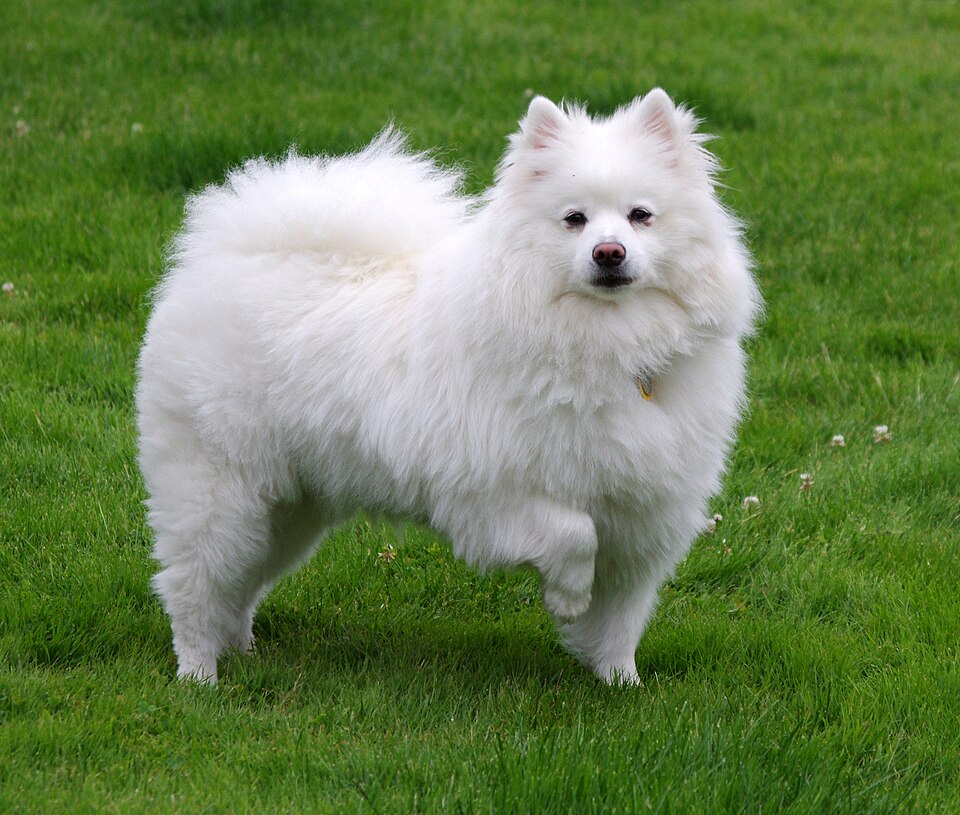
The American Eskimo Dog's coat is the breed's defining feature. That brilliant white fur, standing off the body in a fluffy halo, gives the Eskie one of the most photogenic appearances in the dog world. But underneath that Instagram-worthy exterior is a sophisticated biological system that requires more understanding than most owners have when they bring an Eskie home.
Let's get into what the American Eskimo Dog coat actually is, how it works, and what it needs from you.
The American Eskimo Dog Coat Is a Dual-Purpose System
Like all Spitz breeds, the American Eskimo Dog wears a double coat -- two distinct layers of fur growing simultaneously, each serving a different function.
The Outer Coat (Guard Hairs)
The outer layer consists of long, straight guard hairs that stand away from the body. On a well-maintained Eskie in full coat, these hairs create the breed's signature puffy silhouette.
Guard hairs are the coat's defense system:
- Water resistance. The guard hairs are coated with natural oils that cause water to bead and roll off rather than soaking through to the skin.
- Dirt repellence. The same oils that resist water also prevent dirt from bonding to the hair shaft. This is why Eskies can get filthy and then look clean again once the mud dries and brushes off.
- UV protection. The white guard hairs reflect sunlight, protecting the pink skin beneath from UV damage.
- Physical barrier. They shield against insects, brush, and environmental debris.
The Undercoat
Beneath the guard hairs sits a short, dense, incredibly soft undercoat. This is the insulation system -- warm air gets trapped in the undercoat fibers, keeping the dog warm in winter. In summer, the same layer creates an air barrier that prevents external heat from reaching the skin.
The undercoat has a much shorter growth cycle than the guard hairs. It grows, dies, and sheds continuously, with two major shedding events per year.
A surprising fact about the American Eskimo Dog coat: despite appearing uniformly white, many Eskies actually have a slight cream or biscuit tinting to the undercoat and sometimes the ears. This is perfectly normal and within breed standard. The contrast between the pure white guard hairs and the slightly warmer undercoat creates the subtle depth that makes an Eskie's coat seem to glow rather than just look flat white.
The Self-Cleaning Coat -- And Its Limits
One of the most talked-about features of the American Eskimo Dog coat is its self-cleaning ability. And it's real -- to a point.
The combination of oil content and hair texture on the guard hairs creates a surface that genuinely resists staining and dirt adhesion. Mud dries and flakes off. Light soil brushes away. The coat seems to repel mess in a way that defies the expectations of owning a white dog.
But here's the caveat: the self-cleaning property only applies to the outer coat. The undercoat is a different story. It traps everything -- dead hair, dander, environmental allergens, moisture from humid conditions, and residue from any product that soaks past the guard hairs.
This is why an Eskie can look clean on the surface while harboring skin issues beneath. Surface appearance isn't a reliable indicator of coat health. You need to part the coat and look at the skin regularly, and professional grooming provides that systematic check.
The American Eskimo Dog Coat Shedding Cycle
The Daily Reality
American Eskimo Dogs shed year-round. Dead undercoat hairs are constantly working their way through the guard hairs and onto your floors, furniture, and clothing. For a dog this size, the baseline shedding is moderate -- noticeable but manageable with regular brushing.
Two to three brushing sessions per week with a pin brush and undercoat rake keep baseline shedding under control and prevent dead undercoat from accumulating against the skin.
The Twice-Yearly Coat Blow
Twice a year -- typically in spring and fall -- the Eskie's undercoat releases en masse. This is the coat blow, and for a breed this fluffy, it's an event.
During a coat blow:
- Large tufts of undercoat become visible, poking through the guard hairs like cotton stuffing
- The dog looks patchy and unkempt as sections of undercoat release unevenly
- Loose fur is everywhere -- embedded in fabric, floating in the air, accumulating in corners
- The total volume of shed coat is disproportionately large for the dog's size
Size Variety Differences
All three Eskie varieties -- toy, miniature, and standard -- have the same coat structure and shedding pattern. However, the volume of shed coat scales roughly with body size. Toy Eskies produce less total shed volume but shed just as consistently.
Why Shaving an American Eskimo Dog Causes Permanent Damage
This isn't a grooming preference or a debatable topic. Shaving an American Eskimo Dog's coat can cause irreversible damage, and the breed community is unified on this point.
Here's exactly what happens:
The guard hairs are the first casualty. Guard hairs have a growth cycle measured in years. When shaved, they're cut at the skin line, and regrowth is extremely slow. Some Eskies wait two to three years for full guard hair regrowth. Some never achieve their pre-shave coat quality.
The undercoat takes over. Undercoat grows much faster than guard hairs. After shaving, the undercoat pushes through first, creating a coat that's soft, dense, and completely lacking the protective outer layer. This undercoat-dominant regrowth:
- Mats easily and constantly
- Has no water or dirt resistance
- Provides no UV protection
- Doesn't stand off the body correctly
- Can feel coarse and different from the original texture
The color may change. Some shaved Eskies regrow coat with a slightly yellowish or off-white cast, particularly in areas where the undercoat dominates the regrowth.
The correct approach for managing heat and shedding is always professional deshedding -- removing excess undercoat while leaving the protective guard hairs intact.
Understanding Your American Eskimo Dog Coat by Life Stage
Puppy Coat (Birth to 8-12 Months)
Eskie puppies are born with a soft, fluffy coat that's endearingly manageable. It's shorter, less dense, and sheds minimally. First-time Eskie owners during this phase often wonder what all the fuss is about.
Use this time to establish grooming habits. Get your puppy comfortable with brushing, nail trims, and being handled for ear cleaning. The habits formed now pay dividends for the next 13-15 years.
Coat Transition (8-15 Months)
The puppy coat is gradually replaced by the adult double coat. This transition period is the grooming danger zone -- the shedding puppy coat can tangle with the incoming adult coat, forming mats that are surprisingly dense and tight.
Daily brushing during coat transition is strongly recommended. A professional grooming session during this period helps manage the transition and establishes a relationship with a groomer who'll know your dog for years to come.
Adult Coat (15 Months and Beyond)
The full adult Eskie coat is something to see. The brilliant white guard hairs stand off the body, the thick ruff frames the face, and the plumed tail curls elegantly over the back.
The adult coat reaches its best quality around 2-3 years of age and maintains that standard through middle age with proper care.
Senior Changes (10+ Years)
Older Eskies may develop a thinner, softer coat. The undercoat may become less dense, and the guard hairs may lose some of their harsh texture. This actually makes grooming somewhat easier in the senior years, though the coat still requires regular attention.
Common American Eskimo Dog Coat Concerns
Staining on White Fur
The most common cosmetic concern. Sources of staining include:
- Tear staining -- reddish-brown streaks below the eyes, caused by porphyrin in the tears
- Saliva staining -- yellowish discoloration on paws from licking, often indicating allergies
- Urine staining -- on belly and rear legs
- Environmental staining -- grass, mud, food
Hot Spots
The dense undercoat can trap moisture against the skin, especially after swimming, bathing without thorough drying, or in humid climates. Hot spots develop quickly and can become large and painful before they're visible through the coat.
Prevention: always dry the coat completely to the skin after any water exposure. High-velocity dryers are the most effective tool for this.
Allergies Manifesting in the Coat
American Eskimo Dogs can be prone to environmental and food allergies that manifest as skin irritation, excessive scratching, and coat quality decline. If your Eskie's coat is thinning, dull, or the dog is scratching frequently, consult your vet before assuming it's a grooming issue.
Nutrition and the Eskie Coat
Coat quality is built from the inside. Key dietary factors:
- Omega-3 fatty acids (fish oil) promote coat shine and reduce skin inflammation
- High-quality protein supports keratin production -- the structural protein of hair
- Adequate hydration affects skin moisture and coat flexibility
Working With a Groomer Who Gets the Breed
Your groomer should:
- Understand why shaving is permanently harmful and refuse to do it
- Use high-velocity drying to reach the skin through the dense undercoat
- Have whitening products appropriate for the breed
- Check the skin beneath the coat at every visit
- Price fairly based on actual coat requirements -- salons using breed-specific pricing tools like PawOps provide transparent pricing that reflects the Eskie's coat density rather than just body weight
The White Coat Reality
Owning an American Eskimo Dog means accepting that white fur is now a permanent feature of your wardrobe, your furniture, and your car interior. Use our free pricing calculator → It means understanding that a coat this impressive requires consistent maintenance.
But when you understand the coat -- how it works, what it needs, what it can and can't handle -- you stop fighting it and start working with it. The self-cleaning properties are real. The temperature regulation is remarkable. The visual impact is undeniable.
Respect the double coat system, never shave it, brush consistently, partner with a knowledgeable groomer, and your Eskie's coat will do what centuries of breeding designed it to do: look absolutely stunning while keeping your dog comfortable in any weather.