Why Your American Hairless Terrier Needs Professional Grooming (No Hair Does Not Mean No Grooming)
Why Your American Hairless Terrier Needs Professional Grooming (No Hair Does Not Mean No Grooming)
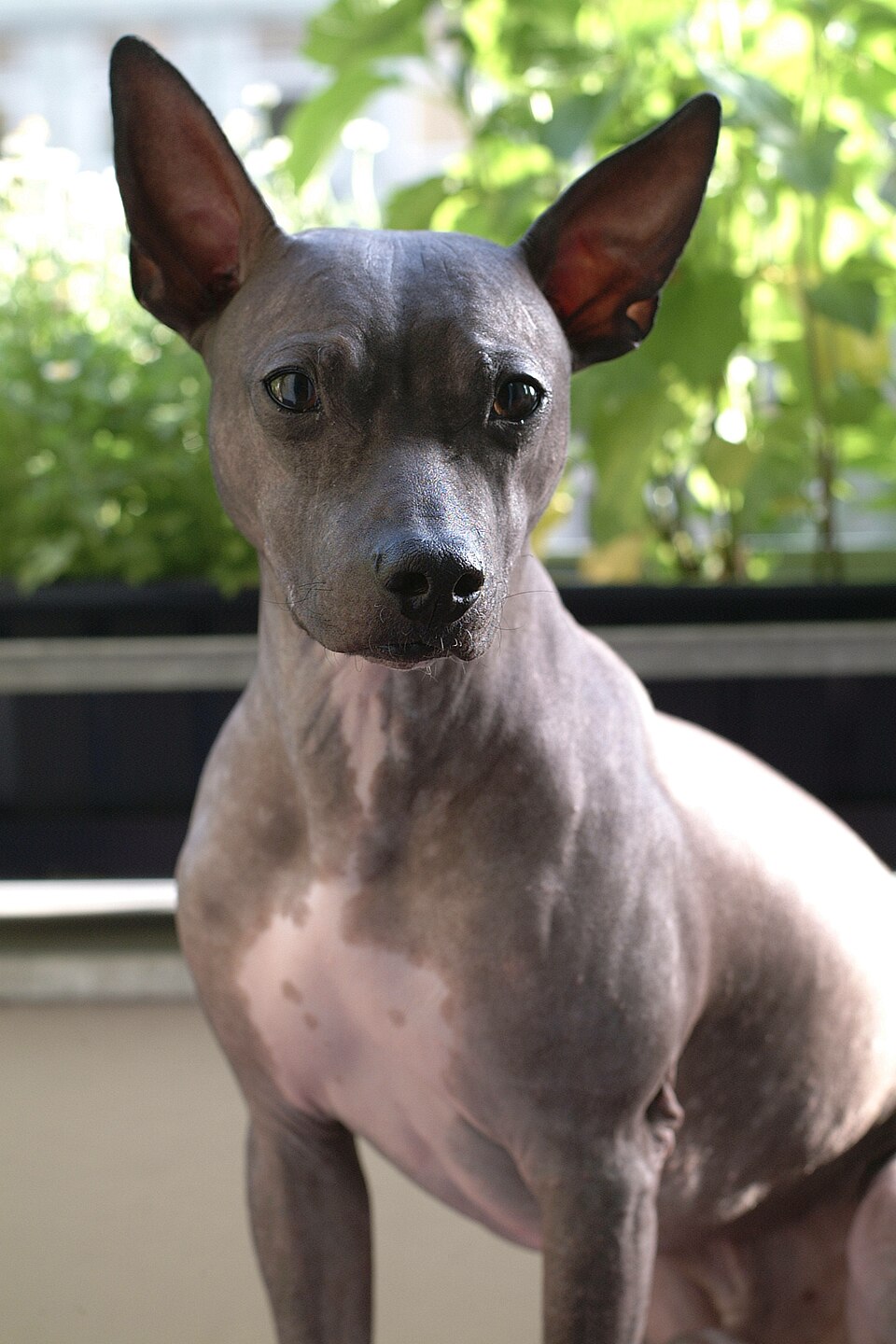
The American Hairless Terrier is exactly what the name says -- a terrier without hair. Logic would suggest that a hairless dog needs no grooming. Logic would be wrong. The American Hairless Terrier actually needs consistent professional skin care precisely because there is no coat protecting that exposed skin.
Think of it this way: your skin has hair, clothes, and sunscreen protecting it. Take all of that away, and suddenly skin care becomes critical. That is the American Hairless Terrier's situation every day.
No Coat Means Skin Is the Coat
The American Hairless Terrier's skin does the job that fur does on other dogs. It is exposed to:
- UV radiation from the sun
- Temperature extremes (heat and cold)
- Environmental irritants (pollen, chemicals, grass)
- Physical abrasion (brush, rough surfaces)
- Bacterial and fungal exposure
The breed comes in two varieties: the truly hairless (born with a birth coat that falls out by about 8 weeks) and the coated variety (which has a short, smooth coat similar to a Rat Terrier). This article focuses on the hairless variety, which has the unique grooming needs.
What Professional Grooming Handles
Grooming an American Hairless Terrier is less about coat care and more about dermatological maintenance:
Skin Cleansing
The primary service. Professional-grade gentle cleansers remove oil buildup, environmental residue, and dead skin cells without stripping the skin's protective barrier. Over-cleansing with harsh products is just as problematic as neglect -- it can trigger compensatory oil overproduction.
Exfoliation
Gentle exfoliation removes dead skin cells that accumulate without a coat to naturally slough them off. Without exfoliation, the skin can develop a rough, bumpy texture and blackheads can form -- particularly common on the back and sides of hairless breeds.
Moisturizing
After cleansing, appropriate moisturizing keeps the skin supple and prevents cracking. The type of moisturizer matters -- too heavy clogs pores on hairless breeds; too light does not provide enough protection.
Skin Assessment
A groomer experienced with hairless breeds checks for:
- Sunburn or UV damage
- Acne or blackheads
- Dry, cracking areas
- Rashes or allergic reactions
- Unusual growths or changes
- Bacterial or fungal skin infections
Nail Care
Hairless dogs often have faster-growing nails than their coated counterparts (the same genetic factors that suppress hair may affect nail growth rates). Regular professional trimming is essential.
Ear Cleaning
The ears produce wax without any hair to trap debris before it enters the canal. Regular cleaning is important.
Dental Care
Hairless breeds are prone to dental issues -- the same genes that affect hair can affect tooth development. Professional teeth cleaning during grooming visits helps manage this predisposition.
What Happens When Skin Care Is Neglected
- Oil buildup becomes problematic. Excess sebum on hairless skin creates a grimy, sticky surface that attracts dirt and bacteria. The dog smells, feels unpleasant, and becomes prone to secondary infections.
- Blackheads develop. Without regular cleansing and gentle exfoliation, pores become clogged with dead skin cells and oil. Blackheads on hairless dogs are common and can become inflamed if not managed.
- Sunburn and UV damage accumulate. An American Hairless Terrier without sun protection develops sunburn that can range from mild redness to severe burns with blistering. Long-term UV exposure increases skin cancer risk. According to veterinary dermatology literature, hairless breeds have significantly elevated risk of sun-related skin damage compared to coated breeds of similar activity level.
- Dry, cracking skin in winter. Cold, dry air without the insulating buffer of a coat leads to cracked, painful skin.
- Bacterial skin infections. Without the protective barrier of fur, bacteria access the skin directly. Oil-clogged pores and micro-abrasions become entry points for infection.
Grooming Schedule for American Hairless Terriers
| Service | Frequency | Notes | |---------|-----------|-------| | Full skin care session | Every 2-3 weeks | Cleanse, exfoliate, moisturize, assess | | Basic bath | Weekly | Gentle cleanser only, no exfoliation | | Nail trim | Every 2-3 weeks | Faster growth than coated breeds | | Ear cleaning | Every 1-2 weeks | No hair to protect ear canal |
Note that the frequency is higher than for coated breeds. Without a coat to buffer between the skin and the environment, maintenance intervals are shorter.
Finding a Groomer for a Hairless Breed
Not every groomer has experience with hairless breeds, and the approach is different enough from standard grooming that experience matters. Look for:
- Understanding that hairless breeds need skin care, not coat care
- Appropriate products (gentle, not stripping; moisturizing, not heavy)
- Familiarity with hairless breed skin issues (blackheads, acne, dryness)
- Gentle handling -- hairless skin is more vulnerable to scratches and abrasion
- No standard grooming tools like slicker brushes or stripping knives that would damage exposed skin
Year-Round Skin Protection
Professional grooming is part of a larger skin care routine that includes:
- Sunscreen: Dog-safe sunscreen on exposed skin before outdoor time in sunny weather
- Clothing: Shirts and sweaters for sun protection and cold weather
- Moisturizer: Light, non-comedogenic moisturizer between professional treatments
- Bedding: Soft, clean bedding to prevent abrasion during sleep
PawOps helps grooming salons deliver specialized skin care for hairless breeds using condition scoring and dermatological assessment protocols -- so your American Hairless Terrier gets expert skin management, not just a quick bath.