Understanding Your American Hairless Terrier's Skin: What Every Owner Should Know
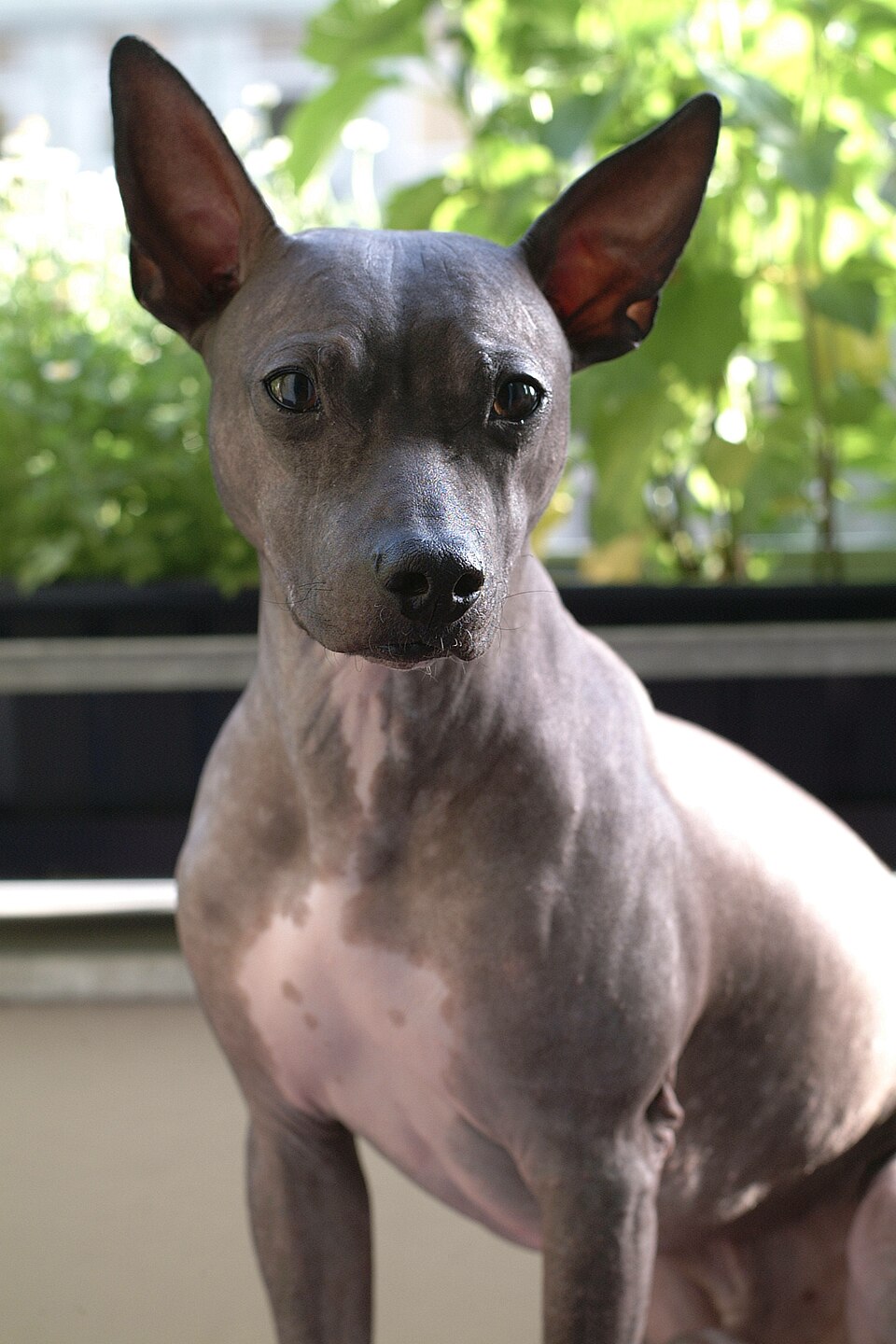
Understanding Your American Hairless Terrier's Skin: What Every Owner Should Know
For most dog breeds, coat care articles discuss hair texture, shedding patterns, and brushing techniques. For the American Hairless Terrier, we are talking about something entirely different: skin. Your dog's skin is their coat, their protection, and their most visible health indicator all in one. Understanding how it works is essential for keeping them comfortable and healthy.
The American Hairless Terrier: Two Varieties
The breed actually comes in two coat types:
Hairless Variety
Born with a soft birth coat that falls out completely by about 8-12 weeks of age. Adult hairless dogs have completely bare skin (some retain eyebrows and whiskers). The skin is smooth, warm to the touch, and comes in various colors and patterns.
Coated Variety
Has a short, smooth coat identical to the Rat Terrier (the breed's ancestor). Care for the coated variety is the same as for any smooth-coated terrier. This article focuses on the hairless variety, which has unique needs.
How Hairless Skin Differs From Skin Under Coat
Your American Hairless Terrier's skin functions differently from the skin of coated dogs in several important ways:
Oil Production
Hairless skin produces significantly more sebum (natural oil) than skin with a normal coat. This is a compensatory mechanism -- without hair to distribute and absorb oil, the skin produces extra to maintain its moisture barrier. This oil accumulation is why regular cleansing is necessary.
Temperature Sensitivity
Without coat insulation, the skin is exposed to temperature extremes directly. American Hairless Terriers are sensitive to both cold and heat. In cold weather, they lose body heat rapidly through exposed skin. In hot weather, they can overheat because they lack the insulating air layer that coats provide.
UV Vulnerability
Perhaps the most critical difference: hairless skin receives full UV exposure. There is no coat filtering ultraviolet radiation. The American Hairless Terrier Club recommends sun protection as a breed-specific health necessity, not a cosmetic concern. Veterinary dermatology research indicates that hairless breeds have a significantly elevated lifetime risk of UV-related skin damage, including squamous cell carcinoma, compared to coated breeds.
Abrasion Exposure
Every surface the dog contacts touches skin directly. Rough carpeting, outdoor terrain, even normal play with other dogs can cause minor skin abrasions that a coat would normally prevent.
Skin Colors and Patterns
American Hairless Terrier skin comes in a remarkable variety of colors and patterns:
- Pink -- the base skin color visible in areas without pigmentation
- Black spots and patches
- Blue (gray) areas
- Red or brown spots
- Any combination of the above in spotted, piebald, or patterned arrangements
Sun and Pigmentation
Pigmented (dark) skin areas have better natural UV protection than unpigmented (pink) areas. Dogs with significant pink areas need more sun protection than heavily pigmented dogs. The darker spots contain more melanin, which provides some natural UV filtering.
Seasonal Skin Care
Spring and Summer
- Sunscreen is mandatory during outdoor time. Use dog-safe SPF 30+ on all pink and lightly pigmented areas.
- Increase bathing frequency -- heat stimulates extra oil production.
- Watch for heat rash in skin folds and on the belly.
- Clothing for extended outdoor time -- UV-protective shirts prevent burns on long walks or park visits.
- Check for insect bites -- without coat protection, bites land directly on skin and are more irritating.
Fall and Winter
- Increase moisturizing -- cold, dry air strips skin moisture.
- Clothing for warmth -- sweaters and jackets are not optional in cold weather.
- Reduce bathing frequency slightly -- less oil production in cooler weather, and less environmental exposure.
- Humidifier indoors -- central heating dries the air and the skin.
- Check for cracking -- especially on the belly and chest where skin is thinnest.
Common Skin Issues
Blackheads and Acne
The most common skin issue in hairless breeds. Pores produce oil without hair to wick it away, leading to clogged pores. Blackheads are most common on the back, sides, and neck. Regular gentle exfoliation prevents most occurrences.
Sunburn
Ranging from mild redness to severe burns with blistering. Prevention through sunscreen and clothing is far better than treatment. Repeated sunburns increase long-term skin cancer risk.
Dry Skin
Common in winter and in dry climates. Appears as flaking, roughness, or cracking. Managed with appropriate moisturizing and environmental humidity control.
Allergic Reactions
Hairless skin contacts environmental allergens directly. Contact dermatitis from grass, cleaning products, fabric, or pollen is more common than in coated breeds because there is no barrier between allergen and skin.
Skin Infections
Bacterial or fungal infections can develop in areas where oil accumulates, particularly in skin folds, between toes, and on the belly. Regular cleansing prevents most infections.
A Fact That Changes How You Think About Hairless Dogs
Here is something that surprises many people: the American Hairless Terrier's skin is actually tougher than it looks. While it seems delicate and vulnerable, hairless skin develops a thicker epidermis (outer skin layer) over time as a compensatory adaptation. An adult American Hairless Terrier's skin is more resilient than a newborn puppy's, and dogs that spend regular (protected) time outdoors develop more robust skin than dogs kept exclusively indoors.
This does not mean you should skip sun protection or skin care. But it does mean that with proper management, these dogs live comfortable, active lives without constant skin crises. The key word is "proper management" -- consistent care prevents the problems that crisis management has to fix.
A 2023 breed health survey by the American Hairless Terrier Club found that owners who maintain a consistent skin care routine report fewer than two skin issues per year requiring veterinary attention, compared to five or more for owners with inconsistent care.
Daily Skin Care Routine
- Morning: Apply sunscreen if outdoor time is planned. Check for any overnight skin changes.
- After outdoor activity: Wipe down with a damp cloth to remove allergens and debris.
- Evening: Quick skin scan for any redness, bumps, or unusual marks.
- 2-3 times per week: Gentle wipe-down with a damp, soft cloth. Light moisturizer on dry areas.
- As needed: Spot-clean with gentle cleanser if oil buildup is visible.
Essential Supplies
- Dog-safe sunscreen (SPF 30+, non-toxic)
- Gentle pH-balanced cleanser (fragrance-free)
- Non-comedogenic moisturizer (light formula, not heavy creams)
- Soft exfoliating cloth (for blackhead prevention)
- UV-protective clothing (shirts, onesies)
- Warm clothing (sweaters, jackets for cold weather)
- Soft bedding (to prevent pressure sores and abrasion)