Understanding Your American Pit Bull Terrier's Coat: What Every Owner Should Know
Understanding Your American Pit Bull Terrier's Coat: What Every Owner Should Know
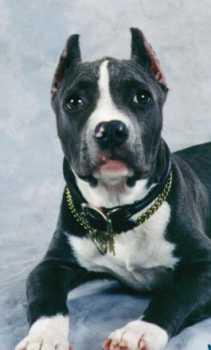
The American Pit Bull Terrier's coat is a masterclass in functional simplicity. Short, smooth, glossy, and tight to the body -- it shows off the breed's muscular build while requiring minimal styling. But that simplicity hides a skin system that needs more attention than the coat itself.
If you own an APBT, understanding the relationship between that short coat and the skin beneath it is the key to keeping your dog comfortable and healthy.
Coat Structure
Single Layer, No Undercoat
APBTs have a single coat. One layer of short, stiff, close-lying hair with no undercoat. Each individual hair is thick relative to its length, giving the coat its characteristic firm, smooth feel.
The single-coat structure means:
- Less insulation: APBTs feel cold faster than double-coated breeds and are more affected by heat without the air-trapping undercoat layer
- More skin exposure: Without an undercoat buffer, the skin is more directly affected by environmental contact
- Steady shedding: No seasonal blowouts, just a continuous turnover of individual hairs
- Quick drying: After baths or rain, the coat dries fast
Hair Characteristics
APBT hair is:
- Short: Uniform length across the body, typically under one inch
- Stiff: Individual hairs are rigid enough to stand slightly when rubbed against the grain
- Glossy: Healthy coat has a natural sheen from skin oil distribution
- Coarse: Thicker than fine-coated breeds, which is why shed hairs embed in fabric so effectively
Color Variety
APBTs come in virtually every color and pattern:
- Solid colors: red, blue, fawn, black, white, brindle
- Combinations: any color with white markings
- Patterns: brindle, merle (controversial), piebald
- The only color the UKC breed standard faults is merle
The Skin Story
For APBTs, the coat is the trailer. The skin is the movie.
Why APBT Skin Is Sensitive
Several factors combine to make APBT skin more reactive than many breeds:
Common Skin Conditions
| Condition | Prevalence in APBTs | Signs | |-----------|--------------------|---------| | Atopic dermatitis | Very high | Itching, redness, recurring ear infections | | Food allergies (skin presentation) | High | Chronic itching, skin rashes, paw licking | | Demodectic mange | Above average | Hair loss patches, scaly skin, sometimes itching | | Hot spots | Common in warm climates | Red, moist, painful skin lesions | | Color dilution alopecia | Blue/fawn coats | Thinning hair, dry flaky skin, recurrent infections | | Contact dermatitis | Common | Redness on belly, inner legs -- areas with thin hair |
Color Dilution Alopecia: A Coat-Specific Concern
This condition deserves special mention because it is directly related to coat color. APBTs with blue (dilute black) or fawn (dilute red) coats carry a gene that dilutes pigment. In some dogs, this same gene affects hair follicle structure, leading to:
- Thinning hair, especially on the body
- Dry, scaly skin
- Recurrent bacterial skin infections
- Brittle hair that breaks easily
A Surprising Coat Fact
Here is something that genuinely surprises most APBT owners: the breed's coat provides virtually no protection against cold weather. A study in the Canadian Veterinary Journal examining thermoregulation in short-coated breeds found that single-coated dogs lose body heat approximately 25% faster than double-coated dogs of similar size in temperatures below 45 degrees Fahrenheit. APBTs are essentially wearing a t-shirt in all weather. This is why you see so many pit bulls in sweaters and coats during winter -- it is not just cute, it is functional. If you live in a cold climate, a quality dog coat is genuine health equipment for your APBT.
Home Care Guide
Brushing
One to two times per week with a rubber curry brush or grooming mitt. This removes loose dead hair, distributes natural skin oils, and gives you a chance to check the skin visually.
Technique: work in the direction of hair growth with moderate pressure. The rubber tools grip short hair more effectively than bristle brushes.
Bathing
Every three to four weeks between professional grooming visits. Use a gentle, pH-balanced dog shampoo. For sensitive-skinned dogs:
- Oatmeal-based shampoo for general soothing
- Hypoallergenic formula for known allergy sufferers
- Medicated shampoo as directed by your vet for specific conditions
Post-Outdoor Care
After outdoor activities:
- Wipe paws with a damp cloth to remove grass allergens and chemicals
- Check the belly and inner legs for ticks, scrapes, or irritation
- Rinse after swimming (chlorine and natural water both irritate sensitive skin)
Sun Protection
For light-colored APBTs and dogs with pink skin areas:
- Apply pet-safe sunscreen to the nose, ears, and belly before extended sun exposure
- Provide shade during peak sun hours
- Consider UV-protective clothing for dogs with significant sun sensitivity
Cold Weather Protection
For all APBTs in temperatures below 45°F:
- Use a properly fitted dog coat or sweater
- Limit outdoor time in extreme cold
- Check paws for ice and chemical irritation after winter walks
When the Coat Tells You Something
Pay attention to these coat and skin signals:
- Loss of sheen: Indicates nutritional issues, illness, or chronic skin inflammation
- Excessive shedding: Could signal stress, hormonal imbalance, or allergies
- Hair thinning or bald patches: Possible mange, fungal infection, alopecia, or hormonal disorder
- Oily or greasy feel: May indicate seborrhea or yeast overgrowth
- Dry, flaky skin: Possible allergies, low humidity, or dietary deficiency
- Persistent odor: Bacterial or yeast skin infection
PawOps helps grooming salons assess breed-specific needs using condition scoring that accounts for coat type, skin sensitivity, and individual dog requirements -- so your APBT gets targeted care, not generic treatment.
Related Reading: