Why Your American Pit Bull Terrier Needs Professional Grooming (Short Coat, Big Benefits)
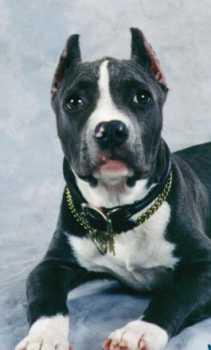
Why Your American Pit Bull Terrier Needs Professional Grooming (Short Coat, Big Benefits)
American Pit Bull Terriers have a reputation for being low-maintenance dogs. Short coat, no trimming needed, tough as nails. And while they are not going to need the two-hour salon sessions that a Poodle demands, skipping professional grooming entirely is a mistake that costs more in vet bills than it ever saves in grooming fees. Use our free pricing calculator →
APBTs are muscular, active, skin-sensitive dogs that benefit enormously from regular professional care. Let us dig into why.
The APBT Coat: Simple Does Not Mean Self-Sufficient
The American Pit Bull Terrier wears a short, smooth, single-layer coat that is stiff, glossy, and lies flat against the body. It is one of the simplest coats in the dog world to look at and one of the most revealing -- every skin condition, every bump, every change shows through clearly when someone is actually looking.
The breed sheds moderately year-round. Those short, stiff hairs work themselves into clothing, car seats, and couches with remarkable determination. But shedding management is the least important reason your APBT needs a groomer.
What Professional Grooming Provides
Full-Body Skin Assessment
This is the primary value of professional grooming for an APBT. The breed has a well-documented predisposition to skin issues:
- Allergic dermatitis: Both environmental and food-related allergies are common. A 2020 study in the Journal of the American Veterinary Medical Association identified pit bull-type dogs among the breeds with highest dermatology referral rates.
- Demodectic mange: APBTs have a higher-than-average susceptibility
- Skin infections: The short coat and active lifestyle lead to scrapes and cuts that can become infected
- Hot spots: Particularly in warm, humid climates
Nail Management on a Powerful Dog
APBTs are strong, muscular dogs ranging from 30 to 65 pounds of pure drive. Their nails are thick and grow quickly. Overgrown nails on a dog this active and powerful create real problems:
- Changed gait that stresses joints
- Cracked or split nails that bleed and become infected
- Reduced traction on smooth surfaces
- Discomfort during running and play
Professional Bathing
A professional APBT bath involves:
- Appropriate shampoo for the skin type (hypoallergenic for sensitive dogs, deodorizing for active dogs)
- Thorough work along the skin surface, not just the coat
- High-velocity blow dry that removes loose dead coat in quantities that will surprise you
- Post-bath skin check while the skin is clean and visible
Ear Cleaning
APBTs typically have cropped or natural rose ears. Both styles expose the ear canal and allow debris to enter. Active dogs that play outdoors, dig, and roughhouse collect ear grime that needs regular removal. Left uncleaned, minor buildup becomes infection.
Anal Gland Check
Muscular, compact dogs sometimes have difficulty expressing anal glands naturally. Regular checks during grooming prevent the discomfort of impacted glands and the unpleasant consequences of glands that express at inopportune moments.
What Goes Wrong Without Regular Grooming
- Skin conditions escalate silently. A small allergic patch becomes a widespread rash. A minor hot spot becomes a deep skin infection. Early detection through regular grooming prevents expensive veterinary treatment.
- Nails become structural problems. Long nails change biomechanics. For a dog built for power and athleticism, this matters enormously.
- Shedding becomes a household problem. Professional deshedding baths reduce loose hair in the home dramatically.
- Small injuries go unnoticed. Active APBTs get scrapes, cuts, and thorn punctures during play. Under the short coat, these can become infected without anyone noticing.
Grooming Schedule for APBTs
| Service | Frequency | Why | |---------|-----------|-----| | Full bath and grooming | Every 6-8 weeks | Skin health, coat maintenance, full body check | | Nail trim | Every 3-4 weeks | Thick nails grow fast | | Ear cleaning | Every 2-3 weeks | Active dogs accumulate debris | | Skin-sensitive dog (medicated bath) | Every 4-6 weeks | Per vet guidance for allergic dogs |
Between visits, use a rubber curry brush once or twice a week and wipe your dog down with grooming wipes after outdoor activities.
The Groomer Question: Finding a Good Fit
Let us be direct about this. Not every grooming salon accepts pit bull-type dogs, and breed-specific policies vary. This is reality.
Find a groomer who:
- Welcomes bully breeds without surcharges based on breed appearance
- Has experience handling strong, energetic dogs
- Understands that APBTs are typically people-loving dogs who do well in grooming situations
- Uses skin-appropriate products
A Surprising Grooming Benefit
Here is something APBT owners often do not consider: regular professional grooming sessions serve as socialization and handling practice. A dog that is accustomed to being handled by a professional -- having paws touched, ears examined, body manipulated -- is a dog that handles veterinary visits more calmly. For a powerful breed, this matters. A relaxed 50-pound APBT at the vet is infinitely easier to manage than an anxious one. Regular grooming builds the handling tolerance that makes all professional care easier.
Home Care Between Visits
Your between-grooming routine:
- Rubber curry brush: Once or twice weekly, working the entire body. Five minutes.
- Paw wipes: After outdoor play, especially in grass. Removes allergens.
- Skin fold cleaning: If your APBT has facial wrinkles, clean them two to three times weekly.
- Visual skin check: Quick weekly once-over looking for new bumps, redness, or dry patches.
- Ear check: Weekly peek inside the ears for debris or odor.
PawOps helps grooming salons assess every breed using condition-based scoring that focuses on actual grooming needs -- skin health, coat condition, and breed-specific requirements -- rather than breed labels.
Related Reading: