Understanding Your American Staffordshire Terrier's Coat: The Full Picture
Understanding Your American Staffordshire Terrier's Coat: The Full Picture
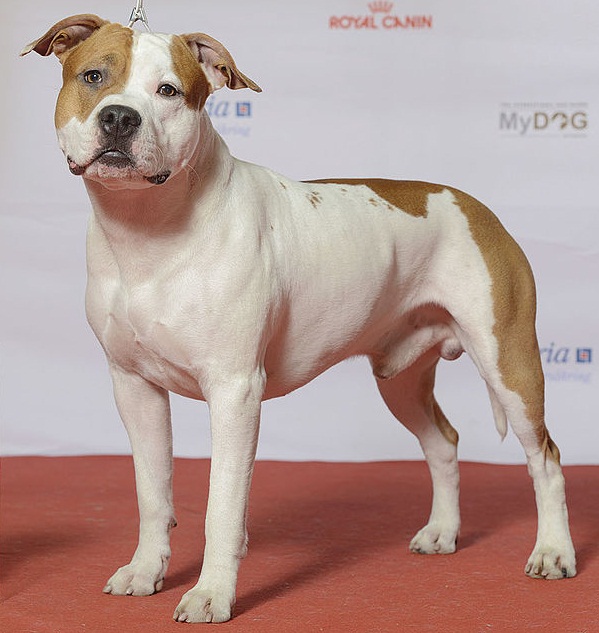
The American Staffordshire Terrier's coat is built for function, not fashion. Short, stiff, close-lying, and glossy -- it highlights the breed's impressive musculature while requiring zero styling. It is perhaps the most honest coat in the dog world: what you see is exactly what you get.
But what you see on the surface is not the whole story. The AmStaff coat sits on skin that is more reactive and health-significant than the coat itself. Understanding both layers -- the simple coat and the complex skin -- is essential for responsible ownership.
Coat Anatomy
Single-Layer Structure
AmStaffs have a single coat with no undercoat. One layer of short, dense hair grows from the skin and lies flat against the body. There is no secondary insulating layer, no fluff, no hidden depth. What you feel when you pet your AmStaff is the entire coat.
This single-layer structure has practical implications:
- Temperature sensitivity: Without insulating undercoat, AmStaffs are more affected by both cold and heat. They need protection in winter and shade in summer.
- Direct skin exposure: Allergens, irritants, and UV radiation have less barrier between them and the skin.
- Predictable shedding: No seasonal blowouts. Just a steady year-round turnover.
- Fast drying: After water exposure, the coat dries quickly.
Hair Properties
Individual AmStaff hairs are:
- Short (typically under one inch)
- Stiff and slightly coarse
- Thick relative to their length
- Naturally glossy when the skin is healthy
Color Spectrum
AmStaffs come in a remarkable range of colors:
- Solid: black, blue, red, fawn, white, brindle
- Parti-color: any combination with white
- Brindle: tiger-stripe patterns in various color combinations
- Patched: large patches of two or more colors
Here is where color gets medically interesting: coat color is not just cosmetic in AmStaffs. Certain colors carry specific health implications.
Color-Linked Coat and Skin Conditions
Blue and Fawn: Color Dilution Alopecia Risk
Blue AmStaffs (dilute black) and fawn AmStaffs (dilute red) carry a gene that lightens pigment. In some dogs, this same gene affects the structural integrity of hair follicles. The result is color dilution alopecia (CDA):
- Progressive hair thinning, primarily on the body
- Dry, scaly skin in affected areas
- Brittle hair that breaks easily
- Increased susceptibility to bacterial skin infections
White: Sun Sensitivity
White AmStaffs and those with extensive white patches over pink skin are vulnerable to UV damage. The single coat provides minimal sun filtering. Repeated sun exposure on unpigmented skin can cause:
- Sunburn (redness, peeling, pain)
- Solar dermatitis (chronic sun-related skin inflammation)
- Increased risk of cutaneous squamous cell carcinoma in chronically exposed areas
Shedding Reality
AmStaffs shed moderately year-round. No dramatic seasonal events, just a steady release of short, stiff hairs.
The shedding is manageable but persistent. A surprising data point: consumer surveys conducted by pet product companies found that owners of short, single-coated breeds spend approximately the same amount on lint rollers and cleaning products as owners of medium-coated breeds. The difference is not total hair volume -- it is that short, stiff hairs are disproportionately difficult to remove from surfaces compared to longer, softer hair.
What reduces shedding most effectively:
The Skin Beneath
For AmStaffs, understanding the skin matters more than understanding the coat.
Why AmStaff Skin Is Reactive
The breed has a genetic predisposition to allergic skin disease. Multiple factors contribute:
- Atopic dermatitis genes: AmStaffs appear in veterinary dermatology referral data at rates significantly above the general dog population.
- Skin barrier differences: Some research suggests that atopy-prone breeds may have subtle differences in skin barrier function, allowing allergens to penetrate more easily.
- Minimal coat protection: Less hair between the skin and the environment means more direct contact with potential irritants.
Common Skin Issues
| Condition | What to Watch For | |-----------|-------------------| | Atopic dermatitis | Itching on face, paws, belly, ears; recurrent ear infections | | Food-related skin reactions | Chronic itching not responsive to environmental allergy treatment | | Contact dermatitis | Redness on belly and inner legs after grass or chemical contact | | Hot spots | Red, moist, painful lesions that appear rapidly | | Demodectic mange | Patchy hair loss, scaly skin | | Zinc-responsive dermatosis | Crusty, thickened skin, especially around the face and feet |
A Surprising Coat Fact
Something most AmStaff owners never consider: the breed's coat changes subtly with age and hormonal status. Young AmStaffs typically have the softest, glossiest coats. After neutering or spaying, some dogs develop slightly softer, less glossy coats due to hormonal changes. Senior AmStaffs often develop thinner, drier coats as skin cell turnover slows. These changes are normal but worth noting because they affect grooming product choices. A young, intact dog with an oily coat benefits from a different shampoo than a spayed senior with dry skin -- and a good groomer adjusts accordingly.
Home Maintenance Guide
Weekly Routine
- Brush: Rubber curry or grooming mitt, twice weekly, working with the grain. Five minutes per session.
- Wipe down: Grooming wipes or damp cloth after outdoor activities. Focus on belly, paws, inner legs.
- Ear check: Quick look inside for debris, odor, or redness.
- Skin scan: Brief visual once-over for new bumps, patches, or changes.
Monthly Additions
- Home bath (between professional visits): Gentle shampoo, thorough rinse, full towel dry.
- Paw pad check: Look for cracks, dryness, or irritation.
- Skin fold cleaning (if applicable): Damp cloth, then dry. Moisture in folds breeds bacteria.
Dietary Support
The AmStaff coat responds visibly to nutrition:
- Omega-3 fatty acids (fish oil): Reduces skin inflammation, improves coat sheen
- Quality protein: Supports healthy hair growth
- Adequate hydration: Maintains skin elasticity
- Limited ingredient diets: Useful for identifying food-related skin issues
When Something Looks Wrong
Seek veterinary attention if you notice:
- New lumps or masses (the breed does have some predisposition to mast cell tumors)
- Persistent itching or scratching
- Hair loss or thinning that is not explained by seasonal change
- Skin that smells bad between baths
- Recurring ear infections
- Changes in coat texture or sheen that do not respond to grooming
PawOps helps grooming salons assess every breed using condition-based scoring that accounts for coat type, skin sensitivity, color-linked conditions, and individual needs -- ensuring your AmStaff gets precisely the care their specific situation warrants.
Related Reading: