Understanding Your Anatolian Shepherd's Coat: What Every Owner Should Know
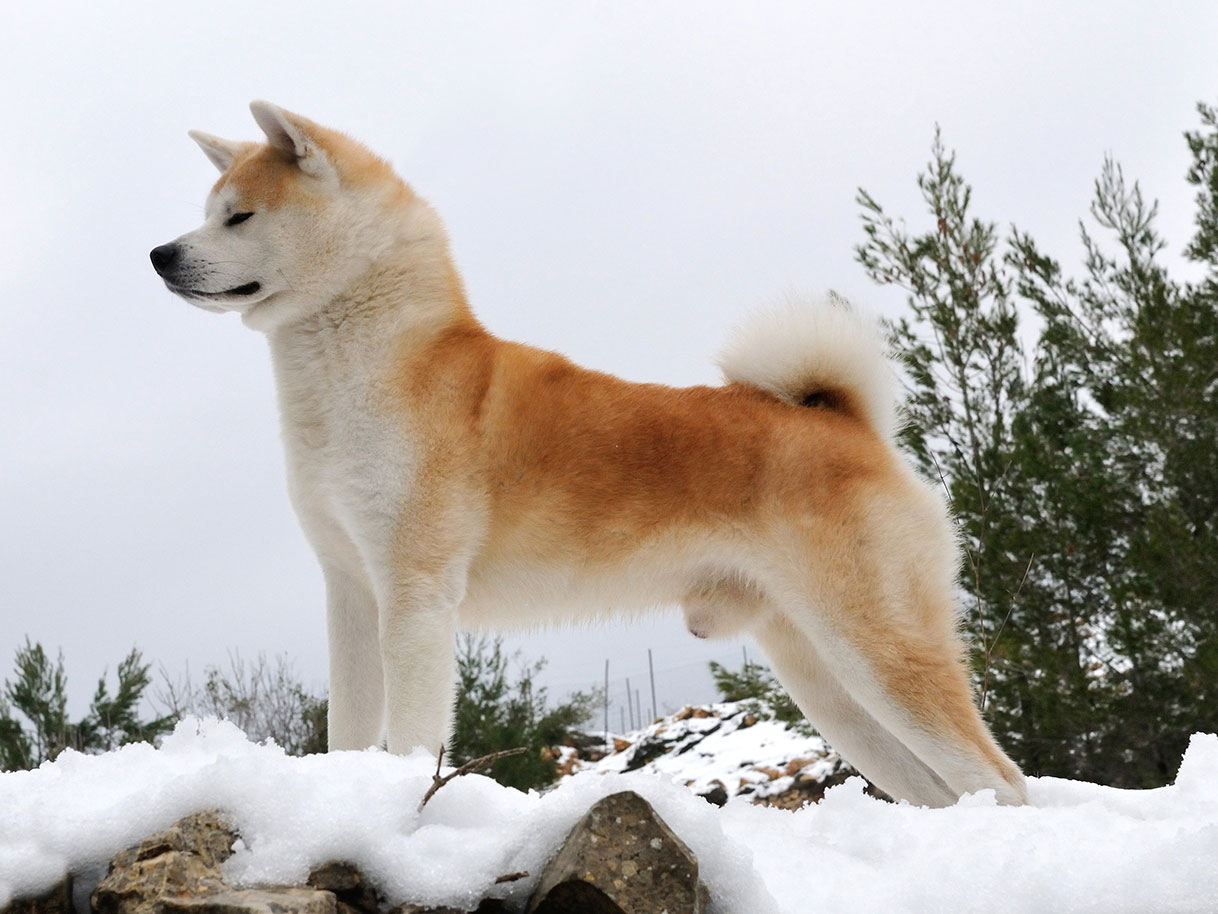
Understanding Your Anatolian Shepherd's Coat: What Every Owner Should Know
The Anatolian Shepherd's coat is a survival tool with thousands of years of development behind it. Bred on the Anatolian Plateau of Turkey -- one of the most climatically extreme inhabited regions on earth -- this breed's coat system had to handle 110-degree summers, subzero winters, driving rain, dust storms, and constant contact with brush and rocky terrain.
Understanding your Anatolian's coat means understanding that every feature serves a function. The shedding, the density, the texture -- none of it is random. And once you understand the why, the how of maintenance becomes clearer.
Two Coat Varieties, One Undercoat
Anatolian Shepherds come in two recognized coat types, and the distinction matters for grooming.
Short Coat
The short-coat variety has an outer coat approximately one inch long that lies flat against the body. It feels smooth and slightly coarse to the touch. This coat sheds water efficiently and dries quickly. Most Anatolians in working livestock guardian roles have the short coat because it collects less debris and requires less field maintenance.
Rough Coat
The rough-coat variety has outer fur approximately three to four inches long, with noticeable feathering around the ears, legs, and tail. The texture is slightly wavy and coarser than the short coat. Rough-coat Anatolians have a more dramatic appearance but require more grooming attention, particularly for mat prevention in the feathered areas.
The Common Factor: Undercoat
Both coat types carry the same dense, thick undercoat. This is the layer that matters most for grooming, and it behaves identically regardless of outer coat length. The undercoat is soft, tightly packed, and designed to trap insulating air against the body.
The Anatolian Shepherd Dog Club of America breed standard specifically requires a "thick undercoat" for both varieties. A thin undercoat is considered a fault because it indicates the dog would be unable to perform its traditional guardian role in extreme weather.
How the Coat Handles Temperature Extremes
The Anatolian Plateau averages around 95 to 110 degrees Fahrenheit in summer and can drop to -15 in winter. The Anatolian coat handles both extremes through the same mechanism: insulation.
In cold weather, the dense undercoat traps warm air against the body while the outer coat deflects wind and moisture. In hot weather, the undercoat creates a buffer zone between the external heat and the skin. Research published in the Journal of Thermal Biology has demonstrated that double-coated breeds with properly maintained coats show lower skin surface temperatures in direct sun than shaved dogs of the same breed.
This is why shaving an Anatolian Shepherd in summer is counterproductive. Removing the coat eliminates the thermal buffer and exposes the skin to direct UV radiation and heat absorption.
The Shedding Reality
Anatolian Shepherds shed. A lot. Here is the honest calendar:
| Period | Shedding Level | What Is Happening | |--------|---------------|-------------------| | March - May | Extreme | Winter undercoat blows out -- the big one | | June - August | Moderate | Background shedding, reduced undercoat | | September - November | Heavy to extreme | Summer coat sheds, winter undercoat grows | | December - February | Moderate | Full winter coat in place, steady turnover |
The spring blowout is particularly dramatic. Owners describe pulling clumps of undercoat from their dog in handfuls, with enough loose fur accumulating in a single brushing session to fill multiple grocery bags. The Anatolian Shepherd Dog Club of America acknowledges that shedding is one of the most common breed ownership challenges reported by new owners.
Spayed and neutered Anatolians may shed more evenly throughout the year rather than in distinct seasonal events. Hormonal cycling influences coat turnover patterns, and altered dogs sometimes maintain a more constant shedding rate.
Color and Markings
Anatolian Shepherds come in a wide range of colors -- fawn, brindle, white, pinto, and various combinations. All colors are accepted by the breed standard. The most iconic look is fawn with a black mask, but the breed's color diversity is much wider than many people realize.
Coat color does not affect grooming needs. A white Anatolian sheds the same as a fawn one, and the undercoat is the same density regardless of outer coat color. The only practical difference is that white or light-colored Anatolians show dirt more visibly.
Common Coat and Skin Issues
Hot Spots
Anatolians in humid climates are susceptible to hot spots. The dense undercoat retains moisture, and any area where dead undercoat has accumulated creates a warm, damp environment against the skin. Common locations:
- Along the flanks and sides
- On the rump near the tail
- On the neck, especially under collars
Parasites
The dense coat provides excellent cover for ticks, which is a particular concern for Anatolians living in rural environments where tick-borne diseases are prevalent. Regular grooming that includes thorough coat-parting and skin inspection is one of the best tick detection methods available.
Environmental Allergies
Some Anatolians develop allergic reactions to grass, pollen, or mold that manifest as skin irritation, redness, and excessive scratching. The dense coat can mask early signs. Regular grooming appointments that include skin assessment catch allergic reactions before they escalate.
Sun Bleaching
Anatolians that spend significant time outdoors may experience sun bleaching of the outer coat, particularly on the back and muzzle. Fawn coats may lighten to a pale cream, and the black mask can develop reddish tones. This is cosmetic and not a health concern.
Home Maintenance Toolkit
The right tools for Anatolian coat care:
- Undercoat rake: The most important tool. Use during every brushing session to pull dead undercoat.
- Slicker brush: For the topcoat and for working through tangles in rough-coat varieties.
- Rubber curry brush: Excellent for short-coat Anatolians. Loosens undercoat with minimal effort.
- Steel comb: For checking rough-coat feathering areas for mats.
- High-velocity dryer (optional but highly effective): Blasts loose undercoat out between professional visits.
Brushing Routine
Short-coat Anatolians (twice weekly, 10-15 minutes):
Rough-coat Anatolians (two to three times weekly, 15-20 minutes):
Bathing Guidelines
Anatolians do not need frequent baths. Their coat naturally resists odor better than many breeds, and the outer coat sheds dirt effectively once dry. Bath every 8 to 12 weeks unless the dog gets into something genuinely foul.
Key bathing points:
- Saturate thoroughly. The dense undercoat resists water penetration. You need to work shampoo all the way to the skin.
- Rinse completely. Shampoo residue in the undercoat causes itching and irritation.
- Dry completely. This is non-negotiable. A damp undercoat is a hot spot incubator. Use a high-velocity dryer or ensure extended air drying in a warm, well-ventilated area.
When the Coat Is Trying to Tell You Something
Monitor for these changes:
- Sudden excessive shedding outside normal cycles may indicate thyroid dysfunction or stress
- Dull, brittle coat losing its natural texture signals possible nutritional deficiency
- Symmetrical hair loss suggests hormonal imbalance
- Patchy, irregular hair loss could indicate fungal infection, allergies, or parasites
- Persistent scratching at specific areas despite no visible cause warrants veterinary evaluation
PawOps helps grooming salons assess working breed coats using condition scoring and coat type analysis -- so your Anatolian Shepherd's coat gets evaluated based on its actual condition, not a generic large breed template.
Related Reading: