Why Your Australian Cattle Dog Needs Professional Grooming (That Tough Coat Has Real Needs)
Why Your Australian Cattle Dog Needs Professional Grooming (That Tough Coat Has Real Needs)
The Australian Cattle Dog -- also known as the Blue Heeler or Red Heeler -- was built to work cattle in the harsh Australian outback. Everything about this breed says "tough and low-maintenance," and to some extent, that is true. But the dense, weather-resistant double coat that protects an ACD from thorns, sun, and rain still needs professional attention. Here is why your Cattle Dog benefits from regular grooming, even if they look like they should not need it.
The ACD Coat: Tougher Than It Looks
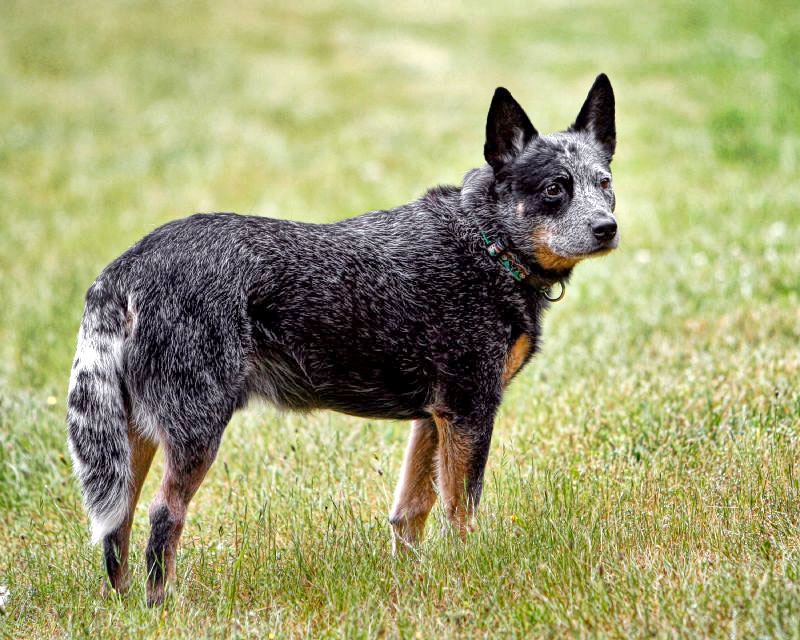
The Australian Cattle Dog has a short to medium-length double coat. The outer coat is hard, straight, and lies flat against the body. It is designed to resist water, repel dirt, and protect against brush and biting insects. The undercoat is short but dense -- a compact insulating layer that thickens in cold weather and lightens in warm weather.
This coat is genuinely low-maintenance compared to long-coated breeds. But "low-maintenance" does not mean "no maintenance." The undercoat sheds heavily, the outer coat has specific care needs, and the hard-working nature of most ACDs means their bodies take more environmental abuse than the average pet.
Why Professional Grooming Matters
Undercoat Removal
The ACD's undercoat is deceptively dense. You would not guess it from looking at the dog, but when a Cattle Dog blows coat -- usually twice a year in spring and fall -- the volume of dead undercoat is substantial for a breed that appears short-coated.
A high-velocity blow dry at the groomer removes dead undercoat from the tight-lying outer coat far more effectively than brushing at home. The forced air gets beneath the hard outer layer and blasts loose fur free. During coat blow season, a single professional deshedding session can extract enough dead undercoat to genuinely surprise owners who thought their ACD barely shed.
According to grooming professionals who work with working breeds, Australian Cattle Dogs are one of the most commonly "undergroomed" breeds -- owners do not realize the undercoat needs professional attention until skin problems develop from compacted dead coat.
Active Dog Inspection
ACDs are active, driven dogs that go hard at everything -- running, swimming, digging, playing. This means their bodies encounter more potential problems than a couch-surfing breed:
- Thorns, burrs, and plant material -- embedded in the coat and sometimes piercing the skin
- Scratches and small wounds -- from brush, fences, and rough play
- Tick checks -- the dense coat provides excellent hiding places for parasites
- Hot spots -- especially after swimming, when the dense undercoat retains moisture
Skin Health Monitoring
Australian Cattle Dogs can be prone to skin allergies, particularly environmental allergies that show up as itching, redness, and hot spots. The dense coat can mask early signs. A groomer examining the skin during a bath and blow dry catches changes that might go unnoticed at home.
Nail Management
ACDs are active dogs, and many do wear their nails down somewhat through exercise on hard surfaces. But "somewhat" is not "completely." The rear nails especially tend to get long, and dewclaws (if present) need regular trimming regardless of activity level.
Ear Care
The ACD's pricked, bat-like ears are excellent for hearing cattle but also excellent for collecting dust, grass seeds, and debris. Regular cleaning prevents buildup and catches early infection signs.
What a Professional ACD Groom Includes
- Bath with deshedding shampoo -- loosens dead undercoat for efficient removal
- High-velocity blow dry -- the primary service, removing undercoat and debris
- Full brush-out -- rubber curry and bristle brush for remaining loose hair
- Full body inspection -- checking for lumps, wounds, parasites, skin changes
- Nail trimming -- including dewclaws if present
- Ear cleaning -- removing debris and checking for infection
- Sanitary trim -- minor trimming if needed
The Myth of the "Self-Maintaining" Cattle Dog
Many ACD owners believe their dog's coat is self-maintaining because it looks good most of the time. The outer coat IS somewhat self-cleaning -- dirt dries and falls off, the hard texture repels debris, and the coat keeps its shape without effort.
But the undercoat tells a different story. Dead undercoat accumulates against the skin, creating:
- Heat retention (significant for a breed that is already heat-sensitive due to their dark coat)
- Moisture trapping after swimming or rain
- Reduced air circulation to the skin
- A base for bacterial growth and hot spots
A Surprising Fact About ACD Coats
Here is something most ACD owners do not know: the blue or red speckled coloring that makes this breed so distinctive is actually individual white hairs interspersed with colored hairs, creating an optical blending effect. Each hair is either solid white or solid colored -- there are no individual hairs that are partially blue. This means the ACD's coat is actually denser than it appears, because you are seeing two complete coat layers (colored hairs AND white hairs) creating the mottled effect. This contributes to the undercoat being denser than the coat length would suggest.
How Often Should an ACD See a Groomer
| Period | Frequency | Primary Focus | |--------|-----------|---------------| | Normal months | Every 8-10 weeks | Maintenance bath, blow dry, nails, inspection | | Coat blow (spring/fall) | Every 4-5 weeks | Intensive deshedding | | After extended outdoor work | As needed | Thorough inspection, debris removal |
Between appointments, a weekly brush with a rubber curry comb handles day-to-day maintenance. Increase to two to three times weekly during the coat blow.
Finding the Right Groomer
Look for:
- Experience with double-coated working breeds
- High-velocity drying equipment (essential for undercoat removal)
- Willingness to do a thorough body inspection (not just a bath-and-go)
- Understanding that the ACD should look natural, not shaped or trimmed
- Comfortable handling a strong, energetic dog that may have opinions about the grooming table
PawOps helps grooming salons assess working breed double coats using condition scoring that accounts for undercoat density, activity level, and breed-specific needs -- so your Australian Cattle Dog gets efficient, thorough care.