Why Your Azawakh Needs Professional Grooming (This West African Sighthound Has Hidden Needs)
Why Your Azawakh Needs Professional Grooming (This West African Sighthound Has Hidden Needs)
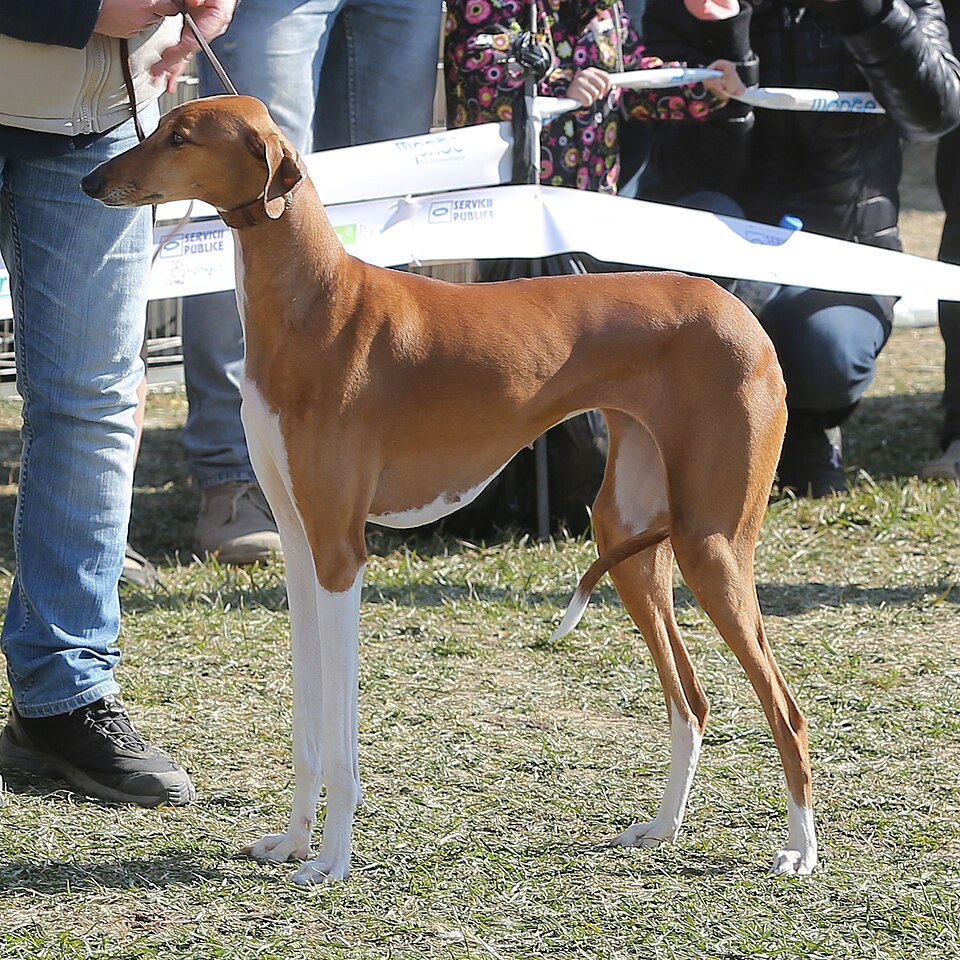
The Azawakh is a West African sighthound from the Sahel region -- the semi-arid zone between the Sahara Desert and the savanna. Bred by the Tuareg nomads for guarding, hunting, and companionship across some of Earth's most demanding terrain, this breed has a coat that evolved to handle extreme heat, minimal water, and vast open spaces.
With likely fewer than 1,000 Azawakhs in North America, your groomer has almost certainly never worked with one. The breed looks like it needs nothing -- all long legs, thin skin, and barely-there coat. That impression is wrong. Here is why professional grooming matters for this ancient breed.
The Azawakh Coat: Minimal Does Not Mean Zero-Maintenance
The Azawakh has an extremely short, fine coat -- one of the thinnest of any breed. On some individuals, particularly on the belly and inner thighs, the coat is so thin that skin is visible through it. Some Azawakhs from warmer bloodlines have virtually no coat on the belly at all.
Coat characteristics:
- Very short (1/8 to 1/4 inch in most areas)
- Fine, smooth texture
- Single-coated with essentially no undercoat
- Minimal oil production (desert adaptation)
- Shedding is minimal but present
The Thin-Skin Factor
Azawakhs have some of the thinnest skin of any dog breed. Their body fat percentage is naturally very low (you should see ribs, hip bones, and spinal processes -- this is normal, not emaciation). The combination means:
- Injuries happen easily -- a rough collar, a brush scratch, or a tight harness can cause skin damage
- Healing is excellent but wounds are more common in daily life
- Temperature directly contacts the body without fat or fur buffering
- Handling must be notably gentler than for other breeds
- Lighter pressure everywhere (standard handling force is too much)
- No heavy rubber curry brushes (too aggressive for thin skin)
- Gentle restraint only (the breed is reactive to force)
- Temperature of bath water matters more (thin skin feels temperature extremes immediately)
Body Condition Assessment: Part of Every Groom
The Azawakh's extremely lean physique makes body condition assessment both easier and more important than average. This breed should be lean -- but the line between "lean sighthound" and "too thin" requires experienced eyes.
A groomer seeing your Azawakh regularly provides:
- Baseline familiarity with YOUR dog's normal weight and muscle condition
- Notice when condition changes (weight loss, muscle wasting, new prominences)
- Identification of injuries hidden on areas you do not examine daily (inner thighs, armpits, between toes)
- Assessment of skin elasticity (a hydration indicator important for this breed)
Temperature Sensitivity
The Azawakh evolved in the Sahel where daytime temperatures exceed 100 degrees Fahrenheit but nighttime can drop dramatically. The breed handles heat well but is extremely cold-sensitive.
Grooming implications:
- Bath water temperature must be warm -- never cold. The thin coat and minimal fat mean cold water causes immediate distress.
- Drying must be quick -- air drying in a cool room leaves the dog shivering. Gentle warm air or immediate toweling.
- Winter grooming environment -- the salon must be warm. An Azawakh on a grooming table in a 65-degree room is uncomfortable in ways a Labrador would never notice.
- Post-grooming: Ensure the dog is completely dry and warm before leaving.
What Professional Grooming Covers for an Azawakh
A full grooming session:
- Warm bath with ultra-gentle shampoo -- fragrance-free, moisturizing formula. The thin coat rinses almost instantly.
- Immediate warm toweling -- minimize cold exposure
- Gentle full-body skin inspection -- checking for cuts, scrapes, parasites, or skin changes. The thin coat makes everything visible but the lean body means you must check fold areas carefully.
- Nail trimming -- extremely important for a sighthound built for running. Long nails affect gait.
- Ear cleaning -- rose or folded ears depending on alertness state; check inner ear
- Dental check -- brief inspection
- Joint and pad check -- Azawakhs are athletes; checking paw pads, hocks, and joints for injury or wear
- Light conditioning if skin is dry (common in non-Sahel climates)
The Temperament Factor
Azawakhs are deeply bonded to their family and can be extremely reserved or even fearful with strangers. They are not aggressive by nature but can be reactive when frightened or when handled by unfamiliar people.
This affects grooming significantly:
- Trust must be built over multiple visits
- Harsh handling creates permanent negative associations
- They respond to calm, quiet, slow movements
- Some Azawakhs may never fully relax with a groomer -- they tolerate rather than enjoy
- Owner presence during grooming may help initially
Grooming Frequency
Azawakhs need less frequent grooming than most breeds due to their minimal coat:
| Situation | Frequency | Focus | |-----------|-----------|-------| | Standard maintenance | Every 6-8 weeks | Skin assessment, nails, ears | | Active (lure coursing, running) | Every 4-5 weeks | Injury check, pad assessment, nails | | Post-competition | As needed | Full body check for injuries | | Winter months | Every 4-6 weeks | Skin moisture assessment (dry indoor air) |
Between visits, Azawakhs need almost nothing at home -- an occasional soft cloth wipe-down and weekly nail checks. The coat is genuinely self-maintaining.
Why Professional Matters for This Breed
The Azawakh's coat requires almost nothing. So why bother with professional grooming?
PawOps helps grooming salons understand the specialized handling needs of rare sighthound breeds like the Azawakh, ensuring gentle protocols and appropriate pricing for what is genuinely more of a wellness check than a traditional groom. Use our free pricing calculator →