Understanding Your Bearded Collie's Coat: The Shaggy Marvel That Needs Your Attention
Understanding Your Bearded Collie's Coat: The Shaggy Marvel That Needs Your Attention
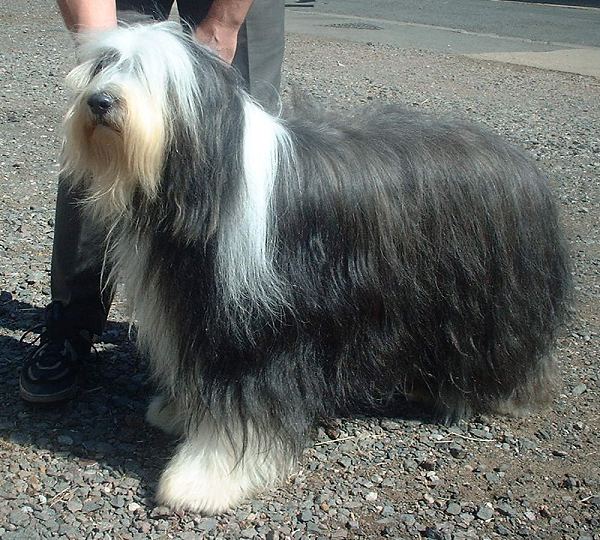
The Bearded Collie's coat is instantly recognizable -- a long, flat, shaggy curtain of fur that hangs from chin to tail, topped with the most expressive eyebrows in the canine world. It is a coat that evolved to work in the Scottish Highlands and has been charming people ever since. Understanding how this coat works, changes, and behaves will make you a better Beardie owner.
The Coat Structure
The Bearded Collie has a double coat that functions as an integrated weather-protection system.
The Outer Coat
The outer coat should be flat, harsh, and strong. It lies along the body's contour and hangs naturally, parting at the spine and falling on either side. The texture is often described as "crisp" -- not silky, not fluffy, but with a firm quality that helps it resist tangling and repel dirt and moisture.
The correct harsh texture is functionally important. It developed to protect a working sheepdog from Scottish weather -- rain, wind, and cold. A harsh outer coat sheds water and dries faster than a soft one.
Coat length varies but typically reaches 5 to 8 inches on an adult in full coat, with slightly shorter fur on the face and slightly longer fur on the chest, legs, and tail.
The Undercoat
Beneath the outer coat lies a soft, furry, close-lying undercoat. This layer insulates against temperature extremes and provides the loft that gives the Beardie coat its body. The undercoat is significantly softer and finer than the outer coat.
The undercoat sheds seasonally, primarily in spring. When it sheds, the dead fur works its way into the outer coat, creating the matting that every Beardie owner dreads. Without removal, shed undercoat compresses against the skin, trapping heat and moisture.
The Facial Furnishings
The Beardie's signature look comes from its facial hair:
- The beard -- long hair growing from the cheeks and chin, giving the breed its name
- The eyebrows -- prominent brow hair that creates the "peek-a-boo" expression
- The mustache -- hair growing forward from the muzzle
The Color Change Phenomenon
This is one of the most remarkable features of the Bearded Collie and one that surprises every new owner: Beardies change color dramatically as they age.
Puppies are born in one of four base colors -- black, brown (chocolate), blue (steel gray), or fawn. Starting at a few months of age, the coat begins to lighten. Here is what typically happens:
| Birth Color | Adult Color | Timeline | |-------------|------------|----------| | Black | Slate gray, silver gray, or remains dark | Lightens between 3-12 months, may darken again by 3-4 years | | Brown | Sandy, golden brown, or milk chocolate | Lightens noticeably in first year | | Blue | Lighter steel gray, silver | Subtle lightening | | Fawn | Very light tan, cream, or warm white | Can become quite pale |
The color change happens because the Beardie carries a graying gene (G locus) that progressively dilutes the pigment in the coat. The change is most dramatic in the first two years and may continue subtly throughout the dog's life.
A surprising fact: some Beardies go through a phase during the color change where different sections of the coat are different shades, giving the dog a distinctly mottled or patchy appearance. This is not a skin condition or nutritional issue -- it is simply different areas of the coat transitioning at different rates. First-time Beardie owners sometimes panic at this stage. There is no need.
The Adolescent Coat Transition
Between roughly 9 and 18 months, Beardies go through a coat texture change that is separate from (but coincides with) the color change. The soft puppy coat gives way to the harsh adult coat, and during the overlap, the two textures coexist and create matting conditions that test every owner's patience.
The transitional coat:
- Mats faster than either the puppy coat or the correct adult coat
- Has an uneven texture -- soft in some areas, coarser in others
- Sheds the puppy coat while growing the adult coat, creating composite tangles
- Requires more frequent professional grooming than any other period
Seasonal Coat Behavior
- Spring: Heaviest shedding period. The undercoat loosens and needs thorough removal. This is when professional deshedding treatments are most valuable.
- Summer: The coat should be lighter after the spring shed. The harsh outer coat provides some UV protection. Never shave a Beardie for summer -- the coat's insulation works both ways.
- Fall: The undercoat begins thickening again. Moderate shedding of summer coat as the heavier winter coat grows in.
- Winter: Coat at its densest and most impressive. The double layer provides excellent insulation. Mud and wet conditions create more maintenance work.
Climate and the Beardie Coat
Beardies in warmer climates typically develop lighter undercoats than those in cold regions. The outer coat remains but the insulating layer adjusts somewhat to the environment. In humid climates, the coat may lose some of its correct harsh texture and develop a softer feel, which unfortunately means more matting.
Home Care Essentials
Tools
- Slicker brush -- for daily detangling of the outer coat
- Steel greyhound comb -- for checking for hidden tangles after brushing
- Undercoat rake -- for removing dead undercoat during shedding season
- Pin brush -- gentle option for facial furnishings
- Detangling spray -- apply before every brushing session
Technique
Line brushing is the correct technique for the Beardie coat:
Beard Care
- Wipe the beard after meals and water
- Comb through daily to prevent food-particle tangles
- Keep the area reasonably trimmed if hygiene is a persistent issue
When the Coat Tells You Something
- Dull, limp coat -- possible nutritional issue, particularly omega-3 deficiency
- Excessively soft texture in an adult -- may indicate thyroid issues or could result from spay/neuter hormonal changes
- Sudden excessive shedding -- stress, illness, or dietary changes can trigger abnormal shedding
- Dry, brittle hair -- possible over-bathing, harsh products, or environmental factors
PawOps helps grooming salons assess long-coated breeds using condition scoring that tracks coat density, texture quality, and mat severity over time -- giving your Bearded Collie consistent, knowledgeable care at every visit.