Understanding Your Bedlington Terrier's Coat: What Every Owner Should Know
Understanding Your Bedlington Terrier's Coat: What Every Owner Should Know
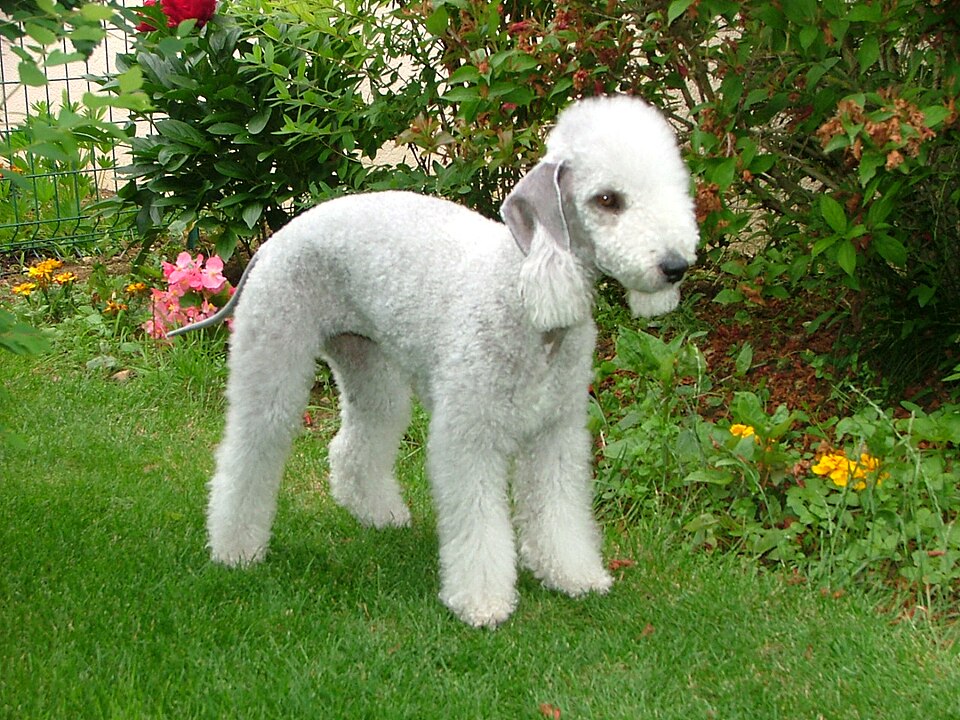
The Bedlington Terrier coat is genuinely one-of-a-kind. It doesn't look like other terrier coats, doesn't behave like Poodle coats, and has quirks that surprise even experienced dog owners. Understanding how the bedlington terrier coat works — really works — makes a huge difference in how you care for it.
What Makes the Bedlington Coat Unique
The Bedlington Terrier has what's called a "linty" coat. It's a mixture of approximately two-thirds soft hair and one-third hard hair, creating a texture that feels thick, springy, and distinctly crisp when properly maintained.
This ratio is important. Other terrier breeds have predominantly hard outer coats with soft undercoats. The Bedlington flips that ratio, resulting in a coat that:
- Tends to curl, especially as it grows longer
- Does not shed in the traditional sense — dead hair stays in the coat
- Feels almost woolly to the touch but with more body than a Poodle coat
- Stands away from the body when properly groomed, creating that signature fluffy appearance
The Color-Change Phenomenon
Here's something that catches many new Bedlington owners off guard: the coat color changes dramatically from puppyhood to adulthood.
Bedlington puppies are born dark. Blue Bedlingtons are born black. Liver Bedlingtons are born dark brown. Sandy Bedlingtons are born a deep tan. Over the first 1-2 years of life, the coat progressively lightens.
Adult Bedlingtons are significantly paler than their puppy selves:
- Blue: Lightens to a silvery blue-gray
- Liver: Lightens to a sandy liver
- Sandy: Lightens to a pale cream-tan
- Blue and tan / Liver and tan: Body lightens while tan markings remain
The topknot — that distinctive tuft on the crown of the head — is typically the lightest part of the adult coat. On a well-groomed blue Bedlington, the topknot can be almost white, creating a striking contrast with the slightly darker body.
Growth Rate and Patterns
The Bedlington coat grows continuously, similar to human hair. There's no set point where it stops and sheds — it just keeps going. This means:
- Regular trimming is structurally necessary, not cosmetic preference
- Different body areas grow at different rates
- The head and ears need more frequent attention than the body
- Furnishings (leg hair) grow quickly and tangle easily
The curl factor increases with length. A freshly groomed Bedlington has relatively straight-looking hair. As it grows, the natural curl becomes more apparent, and the coat starts to look rounder and puffier. This is normal — it's just how the coat behaves.
Texture Changes and What They Mean
The texture of your Bedlington's coat tells you a lot about its condition:
Healthy coat: Feels crisp, springy, and thick. Stands away from the body. Has a clean, linty quality.
Over-washed coat: Feels too soft, lies flat, and may appear limp. The hard hairs have been stripped of their natural oils.
Under-groomed coat: Feels dense and packed down. May feel slightly greasy close to the skin from oil buildup. Hair starts to cord or mat.
Nutritionally compromised coat: Feels thin, dry, or brittle. Lacks the characteristic body and spring. If you notice this, check your dog's diet and consult your vet.
Matting: The Bedlington's Biggest Enemy
Bedlington coats mat. Fast. The mixture of soft and hard hairs is a recipe for tangles, especially in areas where there's friction or moisture.
Prime matting zones on a Bedlington:
Mats in Bedlington coats are particularly problematic because they tighten close to the skin. The linty texture acts almost like felt — once it mats, it compresses and hardens. A small mat that's a minor inconvenience on Monday becomes a pelted section by Friday.
Regular brushing — at minimum every other day — is the only reliable prevention.
Home Care Essentials
Between professional grooming appointments, your job is straightforward:
Brushing routine:
- Use a slicker brush first to work through the coat in sections
- Follow with a metal comb (medium to fine teeth) to catch anything the slicker missed
- Work from the skin out, not just the surface. Surface brushing leaves mats hidden underneath.
- Spend extra time on those five prime matting zones
- Every 3-4 weeks is appropriate for most Bedlingtons
- Use a quality shampoo — nothing too harsh or too moisturizing
- Dry thoroughly after bathing. Damp Bedlington coats mat rapidly.
- A high-velocity dryer is ideal if you have access to one; towel drying followed by a regular hair dryer on cool setting works for home use
- A dry shampoo or grooming spray can help manage oiliness between baths
- Wipe paws after walks, especially in wet weather
- Keep the eye area clean to prevent tear staining
Puppy Coat vs. Adult Coat
Bedlington puppies have a different coat texture than adults. The puppy coat is typically softer, darker, and easier to manage. The adult coat — with its characteristic mixture of hard and soft hair — starts coming in around 8-12 months of age.
During the transition period, the coat may look patchy or uneven as the adult texture replaces the puppy fluff. This is completely normal. It's also the time to start establishing regular grooming habits, because the adult coat requires significantly more maintenance.
Many experienced Bedlington breeders recommend starting professional grooming early — around 12-16 weeks — so the puppy becomes comfortable with the process before the demanding adult coat arrives.
When to Worry
See your vet if you notice:
- Sudden coat thinning or bald patches (could indicate Copper Toxicosis or thyroid issues)
- Persistent skin redness visible through the coat
- Coat that won't grow back properly after shaving
- Unusual odor that doesn't resolve with bathing
- Changes in coat texture that aren't explained by grooming habits
---
Ready to streamline your grooming workflow? PawOps Board Manager helps salons track every Bedlington Terrier from check-in to pickup with real-time visibility. Start your free 30-day trial →
Related Reading: