Why Your Bedlington Terrier Needs Professional Grooming
Why Your Bedlington Terrier Needs Professional Grooming
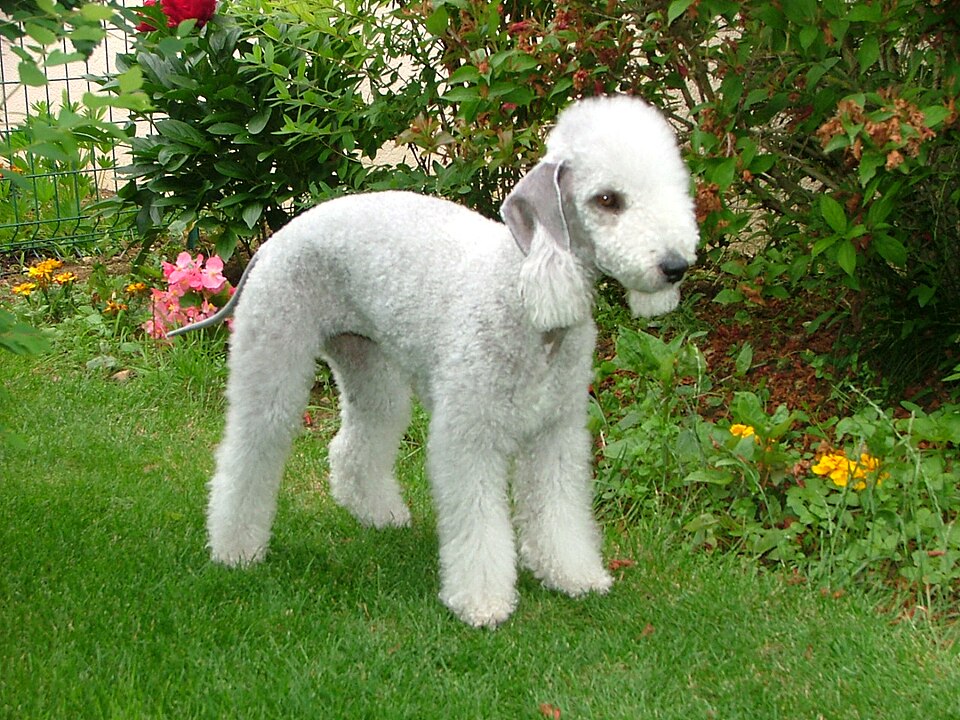
There's no other breed that looks quite like a Bedlington Terrier. That lamb-shaped silhouette, the arched back, the topknot — it's a look that turns heads everywhere. But here's what people don't always realize: that distinctive appearance doesn't happen by accident. It requires bedlington terrier professional grooming from someone who genuinely understands the breed's unique coat and body shape.
Let's talk about why this isn't a breed you can wing it with.
A Coat Like No Other
The Bedlington Terrier coat is unlike anything else in the dog world. It's a mixture of soft and hard hairs that form a thick, linty texture. It doesn't shed in the traditional sense — similar to Poodle-type coats, the hair grows continuously and needs to be managed through regular grooming.
But unlike a Poodle's curls, the Bedlington coat has this crisp, almost cottony quality when properly maintained. Left ungroomed, it becomes a dense, tangled mass that mats close to the skin. And because the hair is so thick and linty, mats form faster than you'd expect — sometimes within just two to three weeks of neglect.
The Bedlington Terrier Club of America recommends professional grooming every 6 to 8 weeks to maintain coat health and shape. That's not a suggestion — it's based on how quickly this coat grows and tangles.
The Breed-Specific Cut Matters
This is where professional grooming becomes non-negotiable. The Bedlington trim is one of the most complex breed cuts in all of grooming. It involves:
- Scissoring the body to create the breed's characteristic arched topline
- Shaping the head with a distinctive topknot that tapers to the nose
- Blending ear tassels that hang from the ear tips
- Creating the lamb-like leg shape with carefully blended furnishings
- Hand-scissoring throughout — this is primarily a scissor breed, not a clipper breed
Skin Health Is at Stake
Bedlington Terriers are prone to a genetic condition called Copper Toxicosis, which affects liver function. While grooming doesn't directly treat this condition, regular professional grooming means another set of trained eyes on your dog's skin and coat. Changes in coat texture, skin condition, or overall appearance can be early indicators of health issues.
Beyond genetics, the Bedlington coat's density makes it a prime environment for:
- Moisture trapping: If the coat isn't properly dried after bathing or getting wet, moisture sits against the skin
- Parasites: Dense coats provide excellent hiding spots for fleas and ticks
- Contact allergies: Irritants get trapped in the thick coat and maintain prolonged skin contact
What Goes Wrong Without Professional Grooming
Owners who try to manage a Bedlington coat entirely at home typically run into these problems:
Shape loss: Without the breed-specific scissor work, Bedlingtons quickly lose their distinctive silhouette. They start looking like generic fluffy dogs rather than the elegant breed they are.
Mat formation: The linty coat texture means mats don't just form on the surface. They work their way down to the skin, creating pelted sections that are painful and require shaving to remove.
Uneven growth: Different areas of the Bedlington coat grow at different rates. The head and ears need more frequent attention than the body. Professional groomers manage this unevenness as part of their routine.
Nail and ear neglect: It's easy to focus entirely on the coat and forget the basics. Bedlingtons have hairy ear canals that need cleaning, and their nails need consistent trimming.
The At-Home Maintenance Routine
Professional grooming every 6-8 weeks is the foundation, but you've got homework between visits:
- Brush every other day with a slicker brush. The Bedlington coat tangles fast, and prevention is far easier than correction.
- Comb through with a metal comb after brushing to catch any knots the slicker missed.
- Pay attention to problem areas: behind ears, under legs, and around the neck where the collar sits.
- Clean ears weekly — check for wax, debris, and any odor.
- Wipe eyes and face to prevent staining on lighter-colored Bedlingtons.
Choosing the Right Groomer
Not every groomer can do a proper Bedlington trim. Before booking, ask:
- Have you groomed Bedlington Terriers before? How many?
- Can you do the breed-standard scissor cut?
- What's your approach to a Bedlington whose coat has gotten out of hand?
- Can I see examples of your Bedlington grooms?
If you can't find a groomer with Bedlington experience locally, consider contacting your regional Bedlington Terrier club for referrals. The breed community tends to know exactly who does good work in each area.
The Investment Perspective
Bedlington Terrier grooming runs $80 to $130 per session depending on your location and the groomer's expertise. That's on the higher end for a small to medium breed, and it reflects the skill level required.
Think of it this way: you chose a Bedlington Terrier partly because of how they look. Professional grooming is what maintains that look while keeping your dog healthy and comfortable. It's not an add-on expense — it's part of the commitment that comes with the breed.
Your Bedlington deserves a groomer who knows what they're doing. Find one, build a relationship, and stick to the schedule. Both you and your dog will be better for it.
---
Ready to streamline your grooming workflow? PawOps Board Manager helps salons track every Bedlington Terrier from check-in to pickup with real-time visibility. Start your free 30-day trial →
Related Reading: