Why Your Bergamasco Needs Professional Grooming (It Is Not What You Think)
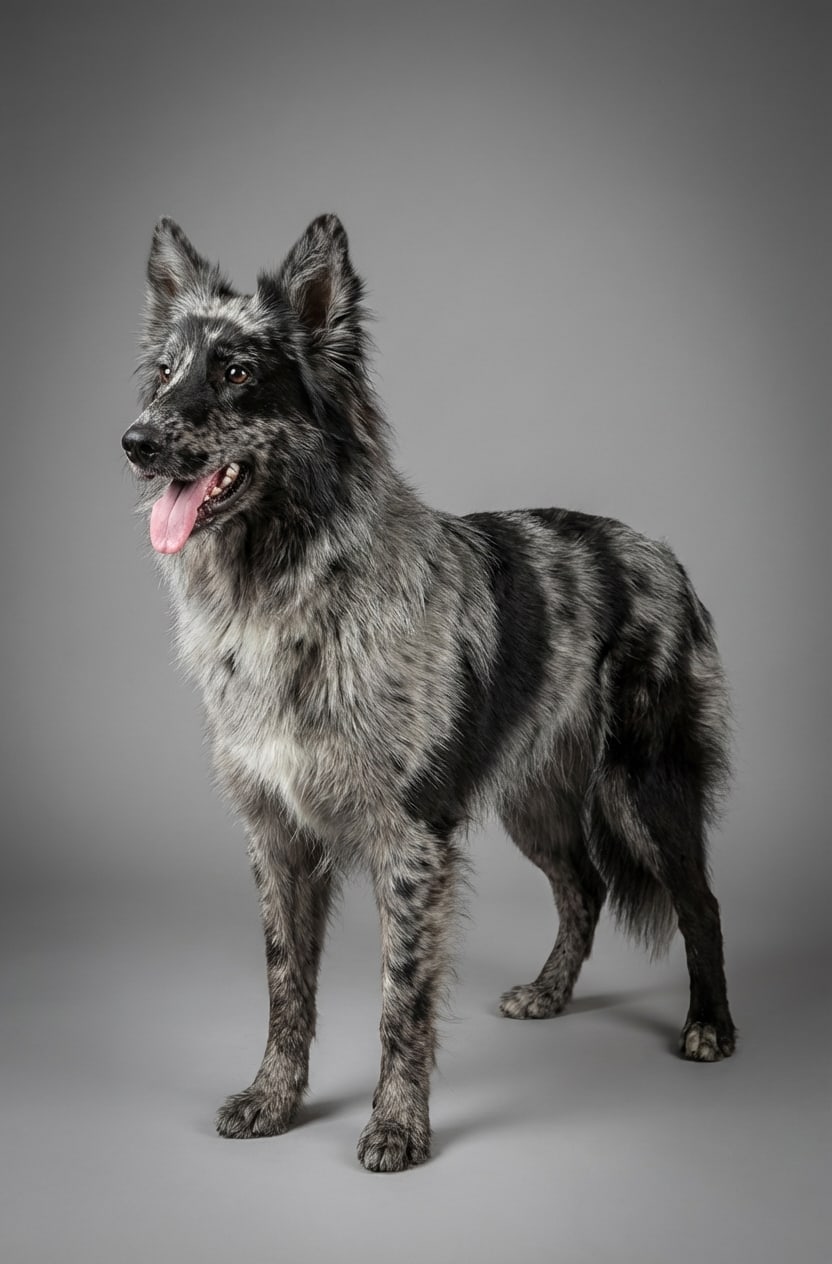
Why Your Bergamasco Needs Professional Grooming (It Is Not What You Think)
The Bergamasco Sheepdog has one of the most misunderstood coats in the entire canine world. Those distinctive flat mats -- called flocks -- are not a grooming failure. They are the point. The Bergamasco's coat is supposed to form these structured, felt-like sections. It was bred into the dog over centuries in the Italian Alps, where those flocks provided insulation, sun protection, and a barrier against predators and thorny brush.
So if the coat is supposed to mat, why does a Bergamasco need professional grooming at all?
Because there is a massive difference between a properly formed flock and a neglected, chaotic tangle. And getting from one to the other requires expertise that most owners -- and honestly, most groomers -- do not naturally have.
The Bergamasco Coat Is Unlike Any Other
The Bergamasco has three types of hair that work together to create the flocked coat:
When the woolly hair starts growing in -- typically between one and three years of age -- it begins to tangle around the goat hair naturally. A knowledgeable groomer or experienced owner manually separates these tangles into flat, even flocks rather than letting them clump into irregular, round mats.
This is where professional help becomes essential. According to the Bergamasco Sheepdog Club of America, improper flock formation is the single most common coat issue in the breed, and it often requires professional intervention to correct.
What Professional Grooming Does for a Bergamasco
Flock Formation and Maintenance
The initial flocking process is the most critical grooming event in a Bergamasco's life. As the woolly coat grows in, it needs to be separated by hand into flat sections from the skin outward. Each flock should be roughly one to three inches wide and flat, not round or cylindrical. Round mats pull on the skin and trap moisture. Flat flocks lie naturally against the body and allow airflow.
A professional groomer experienced with Bergamascos -- and these are rare -- knows how to:
- Identify when the coat is ready for flocking
- Separate the hair into properly sized, flat sections
- Ensure flocks extend from the skin outward without creating tight spots
- Check that the base of each flock is not creating pressure sores
Skin Health Monitoring
Once the flocks are formed, they are permanent. You are not brushing a Bergamasco the way you brush other breeds. The flocks stay for life. This means the skin underneath is hidden, and professional groomers play a critical role in checking for issues you literally cannot see.
A groomer parts the flocks to inspect the skin for hot spots, fungal infections, parasites, and irritation. In a humid climate, moisture can get trapped at the base of the flocks and create skin problems that go unnoticed until the dog is showing serious discomfort.
Bathing (Yes, You Can Bathe a Bergamasco)
One of the biggest myths about Bergamascos is that you cannot bathe them. You absolutely can and should. The key is the drying process. A wet Bergamasco takes an extraordinarily long time to dry naturally -- we are talking 24 to 48 hours in some cases. Professional groomers have high-velocity dryers and temperature-controlled environments that reduce drying time dramatically. Improper drying is a primary cause of skin infections in flocked breeds.
Ear, Nail, and Sanitary Care
Bergamascos have drop ears covered in hair, which creates a warm, moist environment perfect for ear infections. Professional ear cleaning and hair management around the ear canal is important. Nails need regular trimming, and the sanitary areas around the rear and belly need to be kept clean, which can be tricky to manage around the flocks.
What Happens Without Professional Guidance
Here is the reality of attempting Bergamasco coat management without expert help:
- Improper flocking. Round, cylinder-shaped mats instead of flat flocks. These pull on the skin, trap moisture, and harbor bacteria. Fixing badly formed flocks often requires cutting them out and starting over, which leaves gaps in the coat.
- Skin problems you never see. Without someone parting and checking the base of the flocks, hot spots and fungal issues can spread for weeks before the dog shows obvious symptoms.
- Mildew and odor. A wet Bergamasco that is not properly dried will develop a musty smell. In severe cases, mildew can actually form at the base of the flocks.
- Missed health issues. Lumps, ticks, and skin changes are invisible under the flocked coat unless someone is specifically checking.
How Often Does a Bergamasco Need Professional Grooming
The schedule looks different from most breeds:
| Life Stage | Professional Visit Frequency | Purpose | |------------|-----------------------------|---------| | Puppy (0-12 months) | Every 8-10 weeks | Standard puppy grooming, coat monitoring | | Flocking age (1-3 years) | Every 4-6 weeks | Guided flock formation, adjustment | | Adult with formed flocks | Every 8-12 weeks | Skin checks, bathing, nail and ear care | | Senior | Every 6-8 weeks | Health monitoring, mobility-related grooming |
The most intensive period is during flock formation. Once the flocks are established and the owner knows how to maintain them, professional visits can space out -- but they should never stop entirely.
Finding a Groomer Who Knows Bergamascos
This is genuinely challenging. The Bergamasco is a rare breed, and most groomers have never worked with one. Look for:
- Breed-specific experience or willingness to consult with the Bergamasco Sheepdog Club of America's grooming resources
- Comfort with corded and flocked breeds -- groomers who work with Komondors or Pulis have transferable skills
- A non-brush approach -- any groomer who wants to brush out a Bergamasco's flocks does not understand the breed
- Patience with drying -- this coat takes time to dry properly
The Real Value
A Bergamasco's coat is one of nature's most remarkable engineering achievements. When properly formed and maintained, it protects the dog from cold, heat, sun, water, and even predators. Professional grooming is not about making it look pretty -- it is about making sure this extraordinary coat is doing its job. Your Bergamasco deserves a grooming partner who respects the coat rather than trying to change it.
PawOps helps grooming salons handle rare and specialty breeds like the Bergamasco with condition-based assessments that account for unique coat types -- because a one-size-fits-all pricing model does not work when the coat is this specialized. Use our free pricing calculator →