Understanding Your Bernedoodle's Coat: What Every Owner Should Know
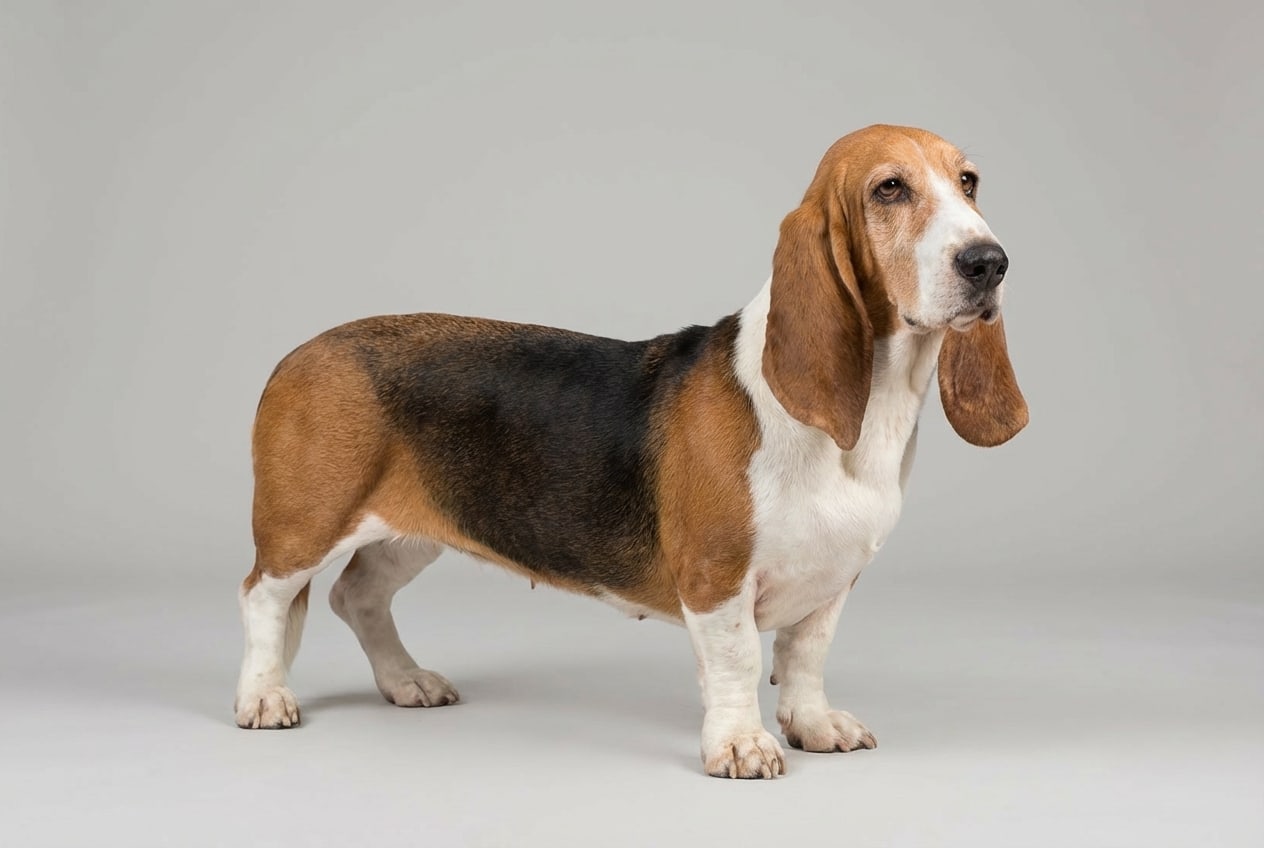
Understanding Your Bernedoodle's Coat: What Every Owner Should Know
The Bernedoodle coat is one of the most beautiful -- and most misunderstood -- coats in the dog world. It can be curly, wavy, or straight. It can change dramatically from puppyhood to adulthood. And it almost always requires more maintenance than new owners expect.
If you own a Bernedoodle or you're thinking about getting one, understanding their coat is the foundation of good care. Here's everything you need to know.
The Bernedoodle Coat Comes from Two Very Different Parents
A Bernedoodle is a cross between a Bernese Mountain Dog and a Poodle. These two breeds have radically different coat types:
- Bernese Mountain Dog: Thick, double-layered coat that sheds heavily. Straight to slightly wavy.
- Poodle: Single-layer coat with tight curls. Minimal shedding. Grows continuously like human hair.
The Three Bernedoodle Coat Types
Most Bernedoodle coats fall into one of three categories:
1. Curly Coat
Closest to the Poodle parent. Tight, springy curls throughout the body. This coat type:
- Sheds the least (often called "hypoallergenic," though no dog is truly hypoallergenic)
- Mats the fastest if not brushed regularly
- Requires professional grooming every 4 weeks
- Grows continuously and needs regular haircuts
2. Wavy Coat (Fleece Coat)
The most common Bernedoodle coat type. Loose waves that give the breed its signature teddy-bear look. This coat:
- Sheds minimally to moderately
- Mats less quickly than curly coats but still tangles without regular brushing
- Needs professional grooming every 4 to 6 weeks
- Has a softer texture that many owners find easier to manage
3. Straight (Flat) Coat
Closest to the Bernese parent. Straight hair that lies flat against the body. This coat:
- Sheds the most of the three types
- Is the least likely to mat severely
- Needs professional grooming every 6 to 8 weeks
- Doesn't require as many haircuts since it doesn't grow as long
The Bernedoodle Coat Change: What Nobody Warns You About
Here is something that catches almost every Bernedoodle owner off guard: your puppy's coat is going to change.
Somewhere between 6 and 12 months of age, most Bernedoodles go through a coat transition. The soft, easy-to-manage puppy fur gradually gives way to the thicker, denser adult coat. During this transition:
- The old puppy coat and new adult coat exist simultaneously
- Matting risk skyrockets because the two textures tangle together
- Brushing that took 10 minutes suddenly takes 30
- Many owners think something is wrong -- it's actually perfectly normal
A surprising fact: according to grooming professionals who work extensively with doodle breeds, roughly 70% of first-time doodle owners underestimate the grooming needs during the coat transition period. That statistic underscores how critical it is to establish a grooming routine early.
How Genetics Influence Your Bernedoodle's Coat
The generation of your Bernedoodle affects coat predictability:
| Generation | Cross | Coat Prediction | |------------|-------|-----------------| | F1 | Bernese x Poodle | Most variable -- any coat type possible | | F1B | F1 Bernedoodle x Poodle | More likely curly or wavy, less shedding | | F1BB | F1B x Poodle | Very likely curly, minimal shedding | | F2 | F1 x F1 | Highly variable, least predictable | | Multigen | Various combinations | Depends on breeder's selection goals |
F1B and F1BB Bernedoodles are the most popular with families seeking low-shedding coats, but they also require the most grooming commitment.
Daily and Weekly Bernedoodle Coat Care
No matter which coat type your Bernedoodle has, consistent home care makes a massive difference:
Essential tools:
- A quality slicker brush (the single most important tool you'll own)
- A metal greyhound comb (for checking that brushing actually reached the skin)
- A detangling spray (makes brushing easier and less uncomfortable)
- Curly: Brush daily. No exceptions. Use the comb to verify you've reached the skin.
- Wavy: Brush 3 to 4 times per week. Pay extra attention behind the ears, under the legs, and around the collar area.
- Straight: Brush 2 to 3 times per week. Focus on areas where the undercoat is thickest.
The most effective way to brush a Bernedoodle is line brushing -- working through the coat in small sections from the skin outward. Part the hair, brush a small section from root to tip, then move to the next section. It takes longer but actually gets the job done. Surface brushing (just running the brush over the top of the coat) is the most common home-care mistake and it leaves the underlayer to mat.
When Your Bernedoodle's Coat Needs Professional Attention
Home brushing keeps things manageable between visits, but professional grooming handles what you can't do at home:
- High-velocity drying removes loose undercoat and separates the hair for a thorough cut
- Scissor and clipper work on curly and wavy coats requires training and practice
- Ear canal hair removal prevents moisture buildup and infections
- Skin and coat assessment catches issues like dryness, irritation, or parasites early
Common Bernedoodle Coat Problems
Know Your Bernedoodle's Coat, Know Your Bernedoodle
Your Bernedoodle's coat isn't just about looks -- it's a direct indicator of their overall health and well-being. Learning to read your dog's coat, maintain it properly at home, and partner with a skilled groomer creates the foundation for a comfortable, happy dog.
Start brushing early. Stay consistent. Find a groomer who gets doodle coats. And don't panic during the puppy coat change -- it's temporary, it's normal, and with the right care, your Bernedoodle will come out the other side looking fantastic.
---
Ready to streamline your grooming workflow? PawOps Board Manager helps salons track every Bernedoodle from check-in to pickup with real-time visibility. Start your free 30-day trial →