Understanding Your Black and Tan Coonhound's Coat: What Every Owner Should Know
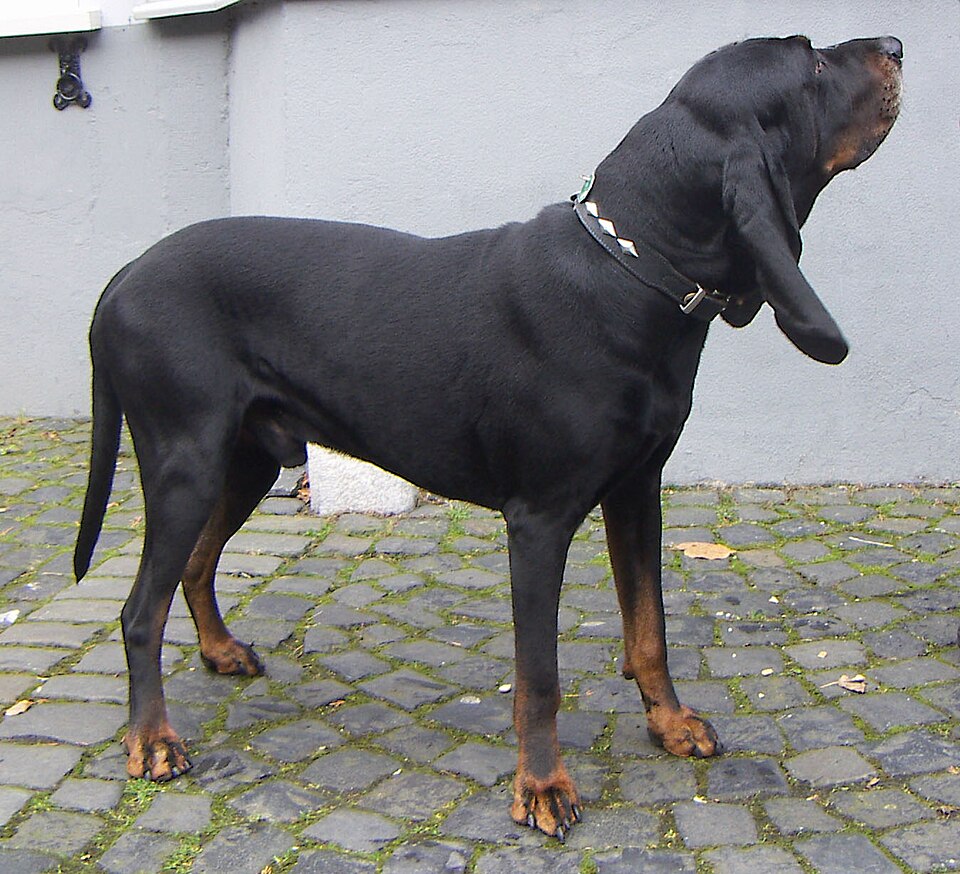
The Black and Tan Coonhound's coat tells the story of a breed built for one mission: trailing raccoons through the American wilderness, from swamps to mountains, in every weather condition imaginable. That short, dense, oily coat isn't just a color -- it's equipment.
Understanding how this coat works helps you maintain a dog designed to be outdoors in all conditions while living indoors in your (hopefully) well-ventilated home.
Coat Structure: Dense and Purposeful
The Black and Tan Coonhound carries a short but dense double coat:
Outer coat: Short (approximately 1-2 inches), lying flat and close to the body. Individual hairs are thicker and stiffer than they appear -- providing significant durability against brush, thorns, and abrasive terrain.
Undercoat: Dense enough for insulation in cold weather, thin enough to not overheat during intense trailing. The undercoat is where most shedding originates.
Skin characteristics: Loose, pliable skin that's somewhat oily. The looseness serves a purpose -- a dog grabbed by a cornered raccoon needs skin that moves rather than tears. The oil provides weather resistance.
Overall feel: Smooth, slightly oily, dense. Run your hand over a healthy Coonhound and it should feel like satin laid over a firm cushion -- the coat is smooth but you can feel the density beneath.
According to the American Black and Tan Coonhound Club, correct coat should be "short but dense enough to resist undergrowth, cold water, and weather." Every word in that description is functional.
The Color Pattern
Black and Tan Coonhounds have one of the most distinctive and specific color patterns in dogdom:
Coal black: The primary body color. Rich, deep black covering the majority of the dog. Should be truly black -- not faded, rusty, or brown-tinged.
Rich tan markings: Present in specific locations:
- Above each eye ("pumpkin seeds")
- Sides of muzzle
- Chest
- Legs
- Underside of tail (optional vent marking)
Color maintenance insights:
- Black fading to brown/rust indicates sun damage, nutritional deficiency, or thyroid issues
- Tan losing richness can signal the same issues
- Proper nutrition and grooming maintain color depth throughout the dog's life
- Excessive sun exposure fades black areas over time
Oil Production: The Waterproofing System
Black and Tan Coonhounds produce more skin oil (sebum) than average dogs. This is a feature, not a bug:
Purpose: Creates a water-resistant coating over the skin and coat. A Coonhound trailing through wet brush, swimming creeks, and working in rain needs this natural waterproofing.
Downside: The oils produce the characteristic "hound smell" and can become rancid without regular bathing.
Variation: Individual dogs produce different oil amounts. Some Coonhounds are barely noticeable; others could oil a squeaky door.
A 2023 study on canine sebaceous gland activity measured oil production across 40 breeds. Scenthound breeds (Coonhounds, Bloodhounds, Bassets) produced 2-3x more sebum per square centimeter than the average breed -- confirming what every Coonhound owner's nose already told them.
Shedding: More Than Meets the Eye
For a short-coated breed, Black and Tan Coonhounds shed a LOT. Understanding why:
High follicle density: More hair per square inch than many short-coated breeds (the coat needs to be dense for protection).
Continuous cycle: Individual hairs cycle through growth and shedding independently, creating year-round hair loss.
Seasonal increases: Spring (undercoat shed) and fall (coat preparation for winter) bring heavier shedding periods lasting 3-4 weeks each.
The stiff-hair problem: Coonhound hairs are short and rigid. They embed in fabric, upholstery, and clothing more stubbornly than longer, softer hairs. They're harder to vacuum and nearly impossible to lint-roll.
Realistic expectations: you will find black and tan hairs on everything. Management (not elimination) is the goal.
How the Coat Handles Weather
Cold weather: The dense undercoat + oil layer creates effective insulation down to about 30-35F. Below that, supplemental protection (coat/jacket) helps, especially for less active dogs.
Rain: The oily outer coat sheds light rain well. Extended exposure eventually penetrates, but the coat dries quickly once the dog shakes.
Heat: The coat provides some sun protection but Coonhounds can overheat during intense activity in hot weather. The coat breathes better than it insulates in summer -- the loose skin helps with heat dissipation.
Snow: Good for short exposure. The short coat doesn't collect ice balls like long-coated breeds, but the thin belly coat leaves them vulnerable to cold ground contact.
Home Maintenance Guide
3-4 times weekly (5-10 minutes):
- Rubber curry brush over entire body (removes loose hair, distributes oils)
- Hound glove finish (polishes coat, picks up remaining loose hairs)
- Quick ear check (lift flap, look and sniff)
- Thorough ear cleaning with vet-approved solution
- Facial fold/wrinkle wipe with antiseptic wipes
- Paw inspection (between toes, pad condition)
- Full-body hand check (run hands over entire body feeling for lumps, scratches, ticks)
- More thorough skin inspection (check under armpits, groin, behind ears)
- Nail length assessment
- Assess coat condition -- dullness, excessive oil, dry patches?
Bathing Your Coonhound
Frequency: Every 4-6 weeks. This breed needs regular bathing to manage oil buildup, but over-bathing strips natural waterproofing.
Products: Degreasing shampoo formulated for oily-coated breeds. Not a heavy-duty degreaser (like Dawn dish soap) -- that's too harsh. A professional-grade hound shampoo that removes excess oil while leaving some natural moisture.
Technique:
Critical point: Water in the ears post-bath is the #1 cause of post-grooming ear infections. Plug ears with cotton before bathing, or dry extremely thoroughly afterward.
Common Coat Issues
Excessive odor: Normal hound scent vs. problem odor. Problem odor indicates: ear infection, skin fold infection, anal gland issues, or yeast overgrowth on skin. Address the source, not just the symptom.
Coat dullness: Should be glossy and rich. Dull coat = nutritional deficiency (usually omega-3), thyroid issues, or chronic low-grade skin infection.
Color fading: Black areas turning brown or rusty. Causes: excessive sun, poor nutrition, thyroid issues, or age. Sun protection and nutrition are the primary interventions.
Excessive shedding (beyond breed-normal): Could indicate stress, allergies, thyroid, or skin disease. If shedding increases suddenly or produces bald patches, consult your vet.
Skin fold dermatitis: Red, irritated, smelly skin in the facial and neck folds. Requires regular cleaning and drying of fold areas. Chronic cases may need medicated wipes.
Nutrition and Coat Quality
Coonhound coat quality responds directly to nutrition:
Omega-3 fatty acids: Reduce excessive oil production to healthy levels, decrease skin inflammation, and improve coat shine. Fish oil at 1000-2000mg EPA+DHA daily for this size dog.
Quality protein: The coat is protein-based. Coonhounds doing well on high-quality animal protein show noticeably better coat than those on grain-heavy diets.
Zinc: Supports skin barrier function. Deficiency shows as dull coat and flaky skin.
Adequate fat: The coat needs dietary fat to produce appropriate oils. Very low-fat diets produce poor coats.
A properly fed Coonhound with regular grooming has a coat that gleams like polished ebony with rich amber markings. If yours doesn't, nutrition is the first place to investigate.
Life Stage Coat Changes
Puppy (to 12 months): Softer, slightly less dense. The characteristic hound oil production increases around 6-9 months. Adult color is present from birth but deepens with maturity.
Young adult (1-4 years): Peak coat condition. Dense, shiny, fully pigmented. Oil production stabilized.
Mature adult (4-8 years): Stable coat. Any changes at this stage warrant health investigation.
Senior (8+ years): Coat may thin slightly, especially on belly and legs. Possible graying around muzzle. Oil production may decrease (improving smell but reducing weather resistance). Gentle care for aging skin.
Your Black and Tan Coonhound's coat is working equipment refined over centuries of American hunting heritage. It doesn't need styling or sculpting -- it needs understanding, maintenance, and respect for its functional design.
---
Ready to streamline your grooming workflow? PawOps Board Manager helps salons track every Black and Tan Coonhound from check-in to pickup with real-time visibility. Start your free 30-day trial →