Why Your Bloodhound Needs Professional Grooming (It Is Not Just About the Drool)
Why Your Bloodhound Needs Professional Grooming (It Is Not Just About the Drool)
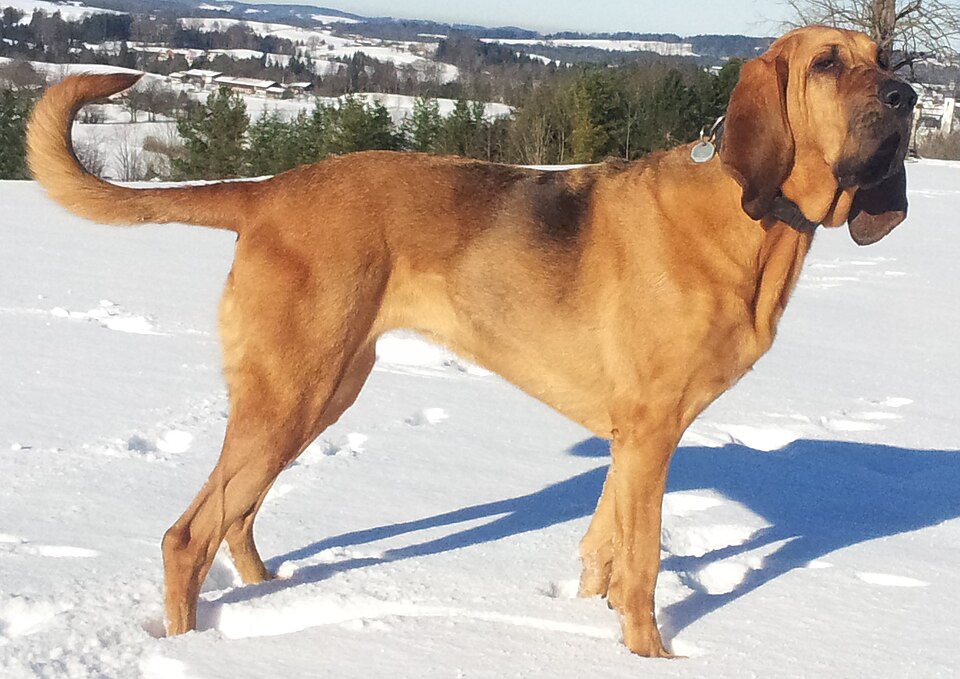
Bloodhounds are one of those breeds that trick people. The short coat looks low-maintenance. The dog itself looks like it rolled out of bed and does not particularly care about appearances. And honestly, Bloodhounds do carry that casual, unbothered energy. But underneath that easygoing exterior is a breed with grooming needs that catch most first-time owners completely off guard.
Professional grooming for a Bloodhound is not a luxury. It is a health requirement.
The Bloodhound Coat Is Deceptively Complex
Yes, the coat is short. No, that does not mean it takes care of itself.
Bloodhounds have a dense, short double coat. The outer layer is smooth and slightly oily -- that oiliness is by design, providing weather resistance for a breed historically used for long tracking sessions through all conditions. The undercoat is softer and denser than it looks from the outside. This combination means Bloodhounds shed more than most people expect. We are talking consistent, year-round shedding with heavier blowouts in spring and fall.
According to the American Kennel Club, Bloodhounds rank among the top 20 shedding breeds despite having short fur. That surprises people every time.
A professional groomer handles deshedding treatments that remove loose undercoat far more effectively than home brushing alone. High-velocity dryers blast out dead fur that a brush simply pushes around, and specialized deshedding shampoos loosen the undercoat during the bath process.
Those Wrinkles Are Not Just Adorable -- They Are High Maintenance
Here is where Bloodhound grooming gets serious. Those deep, loose skin folds that give the breed its iconic droopy expression? Each fold is a potential problem zone.
Moisture, dirt, bacteria, and yeast love to set up camp in skin folds. Without regular cleaning and inspection, Bloodhounds develop fold dermatitis -- an irritation that starts as redness and progresses to raw, infected skin surprisingly fast. The folds around the face and neck are the worst offenders, but some Bloodhounds also have significant wrinkling along the body.
A professional groomer does not just wipe the surface. They lift each fold, clean thoroughly with appropriate solutions, dry completely, and check for early signs of irritation. This is a systematic process that takes knowledge of where problems hide on this specific breed.
Bloodhound Ears Are a Whole Situation
Bloodhounds have the longest ears of any breed -- the Guinness World Record for longest dog ears belongs to a Bloodhound named Tigger, whose ears measured over 13 inches each. Those magnificent, pendulous ears serve a purpose in tracking (they sweep scent from the ground toward the nose), but they also create a warm, dark, moist environment that is basically an invitation for ear infections.
The ear leather itself needs cleaning and conditioning to prevent cracking. The inner ear needs regular inspection and cleaning to catch yeast and bacterial infections early. Bloodhounds are disproportionately prone to otitis externa -- studies published in veterinary dermatology journals have found that drop-eared breeds experience ear infections at roughly three times the rate of prick-eared breeds.
Professional groomers are trained to spot the early signs: unusual odor, dark discharge, redness, and swelling. Catching an ear infection at the groomer saves you a vet bill and saves your dog significant discomfort.
What Professional Bloodhound Grooming Actually Includes
A thorough Bloodhound grooming session covers more than you might assume:
Bath and Coat Care
- Deep-cleaning bath using deodorizing or antibacterial shampoo (Bloodhounds are, let us be real, a fragrant breed)
- Deshedding treatment to remove loose undercoat
- High-velocity blow dry to clear remaining dead fur
- Coat conditioning if the skin is dry or flaky
Wrinkle and Fold Care
- Individual fold cleaning with veterinary-grade wipes or solution
- Complete drying of each fold (moisture left behind defeats the purpose)
- Assessment for redness, irritation, or infection
- Application of fold-safe moisture barrier if needed
Ear Care
- Gentle cleaning of inner ear with appropriate ear solution
- Inspection for infection signs
- Cleaning and conditioning of ear leather
Nail and Paw Care
- Nail trimming or grinding (Bloodhounds are heavy dogs -- overgrown nails cause real joint stress on a frame that already carries 80 to 110 pounds)
- Paw pad inspection and moisturizing
Facial Care
- Cleaning around the eyes and jowls
- Drool management -- removing dried saliva from around the mouth, neck, and chest
- Lip fold cleaning
What Happens When You Skip the Groomer
The consequences of neglecting professional grooming hit Bloodhounds harder than many breeds:
- Skin fold infections spread fast. What starts as mild redness in one fold can become a systemic skin infection within a week or two. Treatment requires veterinary intervention, medicated baths, and sometimes antibiotics.
- Ear infections become chronic. A Bloodhound with untreated ear infections can develop aural hematomas -- blood blisters inside the ear flap from excessive head shaking. Surgery is sometimes required.
- The smell gets real. Bloodhounds naturally produce more skin oils than most breeds. Without regular bathing and fold cleaning, that natural hound odor escalates into something that takes over your entire house.
- Shedding spirals. Without professional deshedding, dead undercoat stays trapped against the skin, blocking air circulation and creating hot spots.
How Often Does a Bloodhound Need Professional Grooming
Bloodhounds benefit from professional grooming every four to six weeks. Here is the breakdown:
| Service | Frequency | |---------|-----------| | Full bath and deshedding treatment | Every 4-6 weeks | | Wrinkle and fold cleaning | Every 2-3 weeks (can be done at home between grooms) | | Ear cleaning | Weekly (home) + thorough cleaning at each groom | | Nail trim | Every 3-4 weeks |
Between professional appointments, you should be wiping skin folds daily and checking ears at least twice a week. Think of professional grooming as the deep clean and health check, with home maintenance filling the gaps.
Choosing a Groomer Who Understands Bloodhounds
Not every groomer has experience with giant, wrinkly, droopy-eared breeds. When selecting a groomer for your Bloodhound, look for:
- Experience with large, heavy breeds (handling an 100-pound dog that does not particularly want to cooperate requires strength and skill)
- Knowledge of skin fold care and common dermatological issues
- Willingness to spend the time these dogs actually need (a proper Bloodhound groom is not a 30-minute bath and blow dry)
- Use of appropriate, gentle products for sensitive skin
The Real Payoff
Professional grooming keeps your Bloodhound healthier, more comfortable, and honestly, more pleasant to live with. These are incredible dogs -- loyal, gentle, and endlessly determined. They deserve a groomer who understands their unique needs and catches problems before they become painful.
Your Bloodhound will never care about looking polished. But they absolutely notice when their ears stop itching, their skin folds are clean and dry, and their coat feels lighter after a deshedding treatment. That is what professional grooming is really about.
PawOps helps grooming salons assess and price breeds with specialized needs -- like Bloodhounds -- using condition scoring that accounts for wrinkle care, coat density, and individual health factors. Every dog gets the time and attention their specific needs demand.