Why Your Bluetick Coonhound Needs Professional Grooming (Those Ticked Markings Hide More Than You Think)
Why Your Bluetick Coonhound Needs Professional Grooming (Those Ticked Markings Hide More Than You Think)
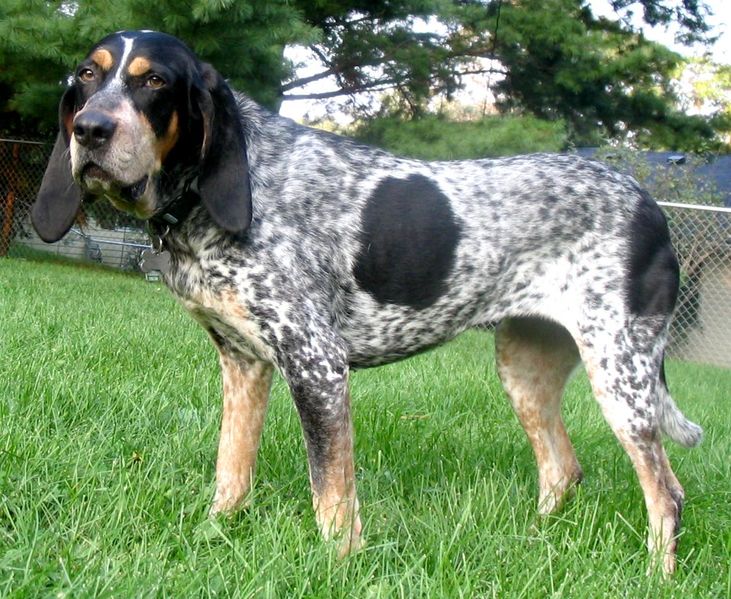
Bluetick Coonhounds carry one of the most distinctive coats in the hound group -- that blue-mottled ticking over a white base, accented with black and tan markings. The pattern looks like a work of art. The coat itself seems simple enough to maintain. Short, smooth, built for the field.
But if you have lived with a Bluetick for any length of time, you know that "simple" coat comes with a full maintenance portfolio. The shedding surprises you. The smell announces itself. The ears demand attention. Professional grooming is not optional for this breed -- it is a health and household necessity.
The Bluetick Coat: Denser Than It Appears
Bluetick Coonhounds have a medium-length smooth coat that is notably thicker and coarser than many other coonhound varieties. The AKC breed standard describes it as "moderately coarse" with a dense undercoat. This is not the sleek, thin coat of a Vizsla -- it has substance and density that creates real grooming demands.
That density means:
- More dead undercoat to remove during shedding cycles
- Greater tendency to trap dirt, debris, and odor-causing bacteria
- Higher heat retention in warm weather if dead coat is not removed
- A coat that looks fine on the surface while hiding problems underneath
The Bluetick Smell: Let Us Address This
Every Bluetick owner learns this quickly: these dogs have a powerful scent. Among coonhound varieties, Blueticks are frequently cited by groomers and veterinarians as having particularly strong body odor. This is not a hygiene problem -- it is a feature of the breed's biology.
Blueticks were bred as scent hounds with exceptional trailing ability. The same dense sebaceous glands that supported their scent-marking and tracking capability produce abundant skin oil. A 2022 study in Veterinary Dermatology Perspectives noted that hound breeds selected for trailing ability tend to have 35-50% higher sebum production than breeds selected for other purposes.
Professional grooming manages this through:
- Enzymatic shampoos that chemically break down accumulated oil rather than just wetting it
- Deep scrubbing that reaches the dense undercoat where oil accumulates
- High-velocity drying that removes oil-laden loose coat and skin cells from the undercoat layer
- Deodorizing rinses that reduce bacterial colonization on the skin surface
Ear Management: The Critical Service
Bluetick Coonhounds have large, thin, low-set ears that hang well below the jaw line. These ears are proportionally larger than most coonhound varieties, creating an even more enclosed environment over the ear canal.
The consequences are predictable:
- Trapped warmth and moisture create ideal conditions for yeast growth
- Air circulation to the ear canal is essentially nonexistent
- Water from swimming or bathing pools in the ear fold
- Debris and dirt collect in the ear leather creases
A professional groomer provides:
- Complete ear canal cleaning visible from the opening
- Inner ear flap wiping and inspection
- Identification of early-stage infections (color change, odor, discharge) before clinical symptoms appear
- Proper post-bath ear drying to prevent moisture-related infections
Full-Body Health Inspection
Blueticks are active, outdoor-oriented dogs. They explore brush, water, and terrain that exposes them to parasites, allergens, and minor injuries. The ticked coat pattern actually makes some issues harder to spot at home -- small ticks, skin irritation, and early hot spots can hide within the blue-black mottled pattern.
A groomer handling your dog through a complete bath process will:
- Run hands over the entire body checking for lumps, bumps, or masses
- Identify ticks that hide in the ear folds, between toes, and under the jaw
- Spot hot spots or dermatitis starting in areas the owner does not regularly check
- Notice weight changes, muscle loss, or body condition shifts over time
- Check teeth, gums, and nail condition
What a Full Bluetick Groom Includes
- De-shedding bath with hound-specific products
- High-velocity blow-out targeting the dense undercoat
- Complete ear cleaning and condition assessment
- Skin fold inspection (jowls, neck, and any loose skin areas)
- Nail trimming or grinding
- Anal gland check (optional expression if needed)
- Sanitary trim
- Paw pad inspection and conditioning
- Full-body massage-style inspection during bath
- Odor-neutralizing treatment as needed
How Often Should a Bluetick See a Groomer
The answer depends on lifestyle, but most Blueticks need professional attention every 3 to 6 weeks:
| Lifestyle | Recommended Frequency | |-----------|----------------------| | Hunting or field work | Every 3-4 weeks | | Active outdoor companion | Every 4-5 weeks | | Moderate activity household pet | Every 5-6 weeks | | Lower activity or senior | Every 6-8 weeks |
Between visits, weekly brushing with a hound mitt, daily ear checks, and as-needed wipe-downs maintain the coat. But the professional appointment is what resets the odor clock and clears the accumulated dead undercoat.
The Home Limitation
Owners who exclusively bathe Blueticks at home frequently report these frustrations:
- "The smell comes back in two days"
- "I brush every day and still find hair everywhere"
- "My dog keeps getting ear infections despite my cleaning"
Professional grooming provides the tools and expertise that make the difference between managing symptoms and actually addressing the root causes of Bluetick coat challenges.
PawOps helps grooming salons accurately assess hound breeds like the Bluetick Coonhound, matching services to actual coat condition and ensuring every appointment addresses what the dog genuinely needs.