Why Your Border Terrier Needs Professional Grooming
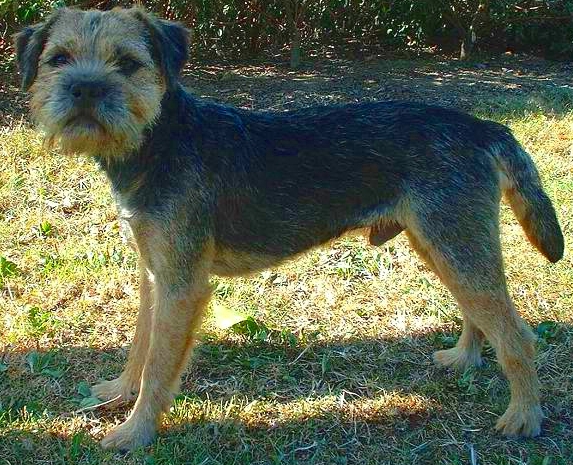
Border Terriers have one of the most distinctive coats in the terrier group -- a harsh, wiry outer jacket over a dense, soft undercoat that makes them look perpetually scruffy in the most charming way possible. That scruffy look? It takes professional skill to maintain correctly.
If you've been brushing your Border at home and calling it good, you're likely missing critical coat maintenance that affects their comfort, health, and that signature otter-head appearance.
The Border Terrier Coat Is Unique
Among terrier breeds, the Border's coat stands apart. It's described as "broken" -- harsh and wiry with a close, dense undercoat. But what makes Borders special is the way their coat grows in layers that roll naturally when properly maintained.
The breed was developed on the English-Scottish border to hunt alongside foxhounds. They needed a coat tough enough to protect against harsh weather and thorny undergrowth but not so heavy that it impeded their ability to squeeze into fox holes. The result is a perfectly calibrated grooming challenge.
Why Hand-Stripping Is Essential
Hand-stripping is the single most important professional service your Border Terrier needs. This technique removes dead outer coat from the follicle, allowing new, correctly textured hair to replace it.
Here's what happens when you skip hand-stripping:
- The dead coat sits in the follicle, blocking new growth
- Trapped dead hair creates matting against the skin
- The coat loses its harsh texture and becomes soft
- Color dulls -- those rich reds, grizzles, and wheaten tones fade
- The functional weather protection degrades
What Clipping Does to a Border Coat
Owners sometimes ask groomers to clip their Border because it's faster and cheaper. Here's the honest truth about what happens:
Clipping cuts the harsh guard hairs at the surface, leaving the soft undercoat exposed. Within 2-3 clip cycles, your Border's coat transforms from a harsh, weather-resistant jacket into a soft, fluffy mess that:
- Holds water instead of shedding it
- Traps dirt and debris
- Mats more easily
- Loses its characteristic color depth
- Provides less protection from sun and elements
The Undercoat Problem
Border Terriers have a thick, linty undercoat that serves as insulation. During seasonal coat changes, this undercoat loosens and needs removal. Without proper professional undercoat management:
- The dense undercoat compresses against the skin
- Air circulation is blocked, leading to overheating
- Skin can't breathe properly, inviting bacterial growth
- Dead undercoat creates an ideal environment for hot spots
Health Detection During Grooming
Borders are generally healthy dogs, but they're predisposed to certain conditions that a groomer can spot early:
Canine Epileptoid Cramping Syndrome (CECS): Also called Spike's Disease, unique to Borders. Groomers may notice muscle tension or unusual sensitivity during handling that warrants vet discussion.
Skin allergies: Borders can develop atopic dermatitis. Groomers check under the coat where allergic reactions first appear.
Hip dysplasia signs: Groomers familiar with the breed notice changes in stance, sensitivity to hip-area handling, or muscle wasting.
Dental issues: During face work, groomers often notice dental problems owners miss -- bad breath, gum discoloration, or loose teeth.
The Face and Head
That iconic Border Terrier "otter head" requires careful grooming to maintain. The head should look broad and flat on top with a short, dark muzzle. Professional groomers who know Borders:
- Strip the head to maintain the broad, flat skull appearance
- Tidy ear edges without over-trimming
- Shape facial hair to enhance (not hide) the otter-head profile
- Clean beard area where food and drool accumulate
- Trim around eyes for clear sightlines
Nails and Feet
Border Terriers have compact, cat-like feet designed for navigating rough terrain. Professional groomers:
- Trim nails to appropriate length for the breed's activity level
- Clean and inspect between toe pads
- Trim excess fur between pads that collects mud and ice
- Check for signs of interdigital cysts (common in active terriers)
The Grooming Timeline
A well-maintained Border follows this professional grooming schedule:
Every 8-12 weeks: Full hand-stripping session (the primary coat maintenance) Every 4-6 weeks: Tidy-up including nails, ears, sanitary areas, and quick undercoat check Seasonally: Deep undercoat removal during spring and fall coat blows
Between professional visits, weekly brushing with a slicker brush and occasional combing keeps things manageable and prevents matting at the skin level.
Finding a Border-Savvy Groomer
Not every groomer understands Borders. Many have been trained primarily on Poodle and Bichon breeds and may default to clipping. When choosing a groomer:
- Ask specifically about their experience with Border Terriers
- Request to see hand-stripping results (photos of their Border clients)
- Verify they understand rolling a Border coat (maintaining it in stages)
- Confirm they won't clip without discussing it with you first
---
Ready to streamline your grooming workflow? PawOps Board Manager helps salons track every Border Terrier from check-in to pickup with real-time visibility. Start your free 30-day trial →