Understanding Your Bouvier des Flandres's Coat: What Every Owner Should Know
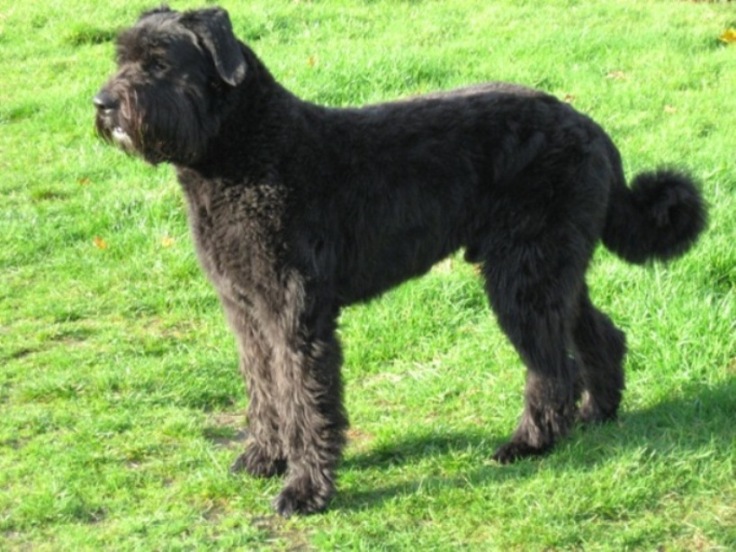
Understanding Your Bouvier des Flandres's Coat: What Every Owner Should Know
The Bouvier des Flandres coat is unlike anything else in the dog world. It is not soft. It is not silky. It is not fluffy. It is rough, dry, tousled, and harsh -- and that is exactly what it is supposed to be. Every characteristic of this coat was developed for a specific purpose on the farms and fields of Flanders, and understanding those purposes is essential for maintaining it correctly.
If you just got a Bouvier and you are wondering why the coat feels like touching a burlap sack, this is the explanation.
The Architecture of a Bouvier Coat
The Bouvier carries a double coat with properties that set it apart from most other breeds.
The Outer Coat
The outer coat is the defining feature. It is approximately two to two and a half inches long, harsh in texture, dry to the touch, and slightly tousled in appearance. The individual hairs are thick and coarse. When you run your hand against the coat direction, it feels rough and slightly prickly.
This texture is functional. The harsh outer coat repels water, sheds mud, and resists tangling with brush and thorns. A correctly textured Bouvier coat will actually stay cleaner than a soft-coated breed because debris does not stick to the harsh fibers as readily. Rain beads on the surface and runs off rather than soaking through.
The American Bouvier des Flandres Club breed standard specifically describes the ideal outer coat as "rough and harsh to the touch." A soft coat is considered a serious fault because it indicates the dog has lost the weather-resistant properties the breed was developed for.
The Undercoat
Beneath the rough exterior sits a dense, fine, tightly packed undercoat. Unlike the outer coat, the undercoat is soft -- almost downy. This layer provides insulation and serves as the body's primary temperature regulation system.
The undercoat sheds, but here is what makes Bouviers unusual: the dead undercoat does not fall away from the body like it does in most double-coated breeds. Instead, it gets caught in the harsh outer coat and stays trapped against the skin. This is why Bouviers appear to shed very little (loose fur does not end up on your furniture) but mat dramatically (the trapped dead undercoat creates the foundation for mats).
This trapped-undercoat phenomenon is the central challenge of Bouvier coat care. Low visible shedding is the benefit. Aggressive matting is the cost. Use our free pricing calculator →
The Facial Furnishings
The Bouvier's facial hair is its most distinctive feature:
- Beard: A full, bushy beard that grows from the chin and lower jaw. It gives the breed its characteristic dignified, slightly stern expression.
- Mustache: Thick, prominent hair on the upper lip that blends into the beard.
- Eyebrows: Heavy brows that shade the eyes and frame the upper face.
Coat Color
Bouviers come in several colors:
- Fawn (light to dark)
- Brindle
- Gray (from silver to dark)
- Black
- Salt and pepper
Bouvier coat color can change as the dog matures. Puppies often darken or lighten significantly between six months and two years of age. The final adult color may look quite different from the puppy coat.
Shedding: The Bouvier Exception
Bouviers break the double-coated-breed rule in one significant way: visible shedding is minimal.
Because the harsh outer coat traps dead undercoat rather than releasing it, you will not see the tumbleweeds of fur that Labrador, German Shepherd, or Husky owners deal with. Your couch stays relatively fur-free. Your black clothing survives.
But -- and this is the critical part -- the dead undercoat still exists. It just stays in the coat instead of on your floor. If you do not actively remove it through brushing and professional grooming, it compresses against the skin and becomes the foundation for mats.
Think of it this way: other double-coated breeds export their dead fur to your house. Bouviers keep it. The fur has to go somewhere, and if it is not coming out via brush or dryer, it is matting against the skin.
How Matting Works in a Bouvier Coat
Understanding the matting process helps you prevent it:
The entire process from first tangle to skin-level mat can take as little as two weeks in neglect conditions. This is why the four-to-six-week grooming schedule is non-negotiable.
Common Mat Locations
Watch these areas closely:
- Behind the ears: Soft feathering plus friction from turning the head
- Under the collar: Moisture, pressure, and constant friction
- Armpits (front): High-friction zone during walking
- Groin area: Fine, soft hair plus body heat and moisture
- Between the rear legs: Same conditions as the groin
- The beard: Food and water absorption plus the dog lying on it
- Chest: Where the dog contacts the ground when lying down
Coat Maintenance Through Life Stages
Puppy Coat (0-8 months)
Bouvier puppies have a soft, fluffy coat that bears almost no resemblance to the adult coat. It mats easily but is also easy to brush. This is the critical window for establishing grooming tolerance -- get your Bouvier puppy used to brushing, handling, and groomer visits now. The investment in early socialization to grooming pays dividends for the next decade.
Coat Transition (8-18 months)
The puppy coat gradually transitions to the adult harsh coat. This is the most difficult grooming period. The two textures (soft puppy and harsh adult) exist simultaneously and mat like nothing you have ever seen. Grooming frequency should be at its highest during this phase -- every three to four weeks professionally, with daily brushing at home.
Adult Coat (18 months onward)
Once the adult coat is fully in, the texture stabilizes and becomes somewhat easier to manage -- "easier" being a relative term with Bouviers. The harsh outer coat actually mats less readily than the soft puppy coat, but the undercoat trapping issue becomes the primary challenge.
Senior Coat (8+ years)
Older Bouviers may develop a slightly softer coat texture and may produce less undercoat. Some senior Bouviers become easier to groom while others develop dryer, more brittle coats that break rather than flex when brushed.
Home Maintenance Toolkit
- Pin brush: For daily topcoat brushing
- Slicker brush: For working through tangles before they become mats
- Undercoat rake: For removing trapped dead undercoat from the body
- Steel comb: Your mat-detection tool. If the comb catches, there is a tangle.
- Mat splitter: For carefully breaking apart early-stage mats
- Thinning shears: For reducing beard bulk between grooming appointments
- Detangling spray: Apply before brushing to reduce breakage and ease tangle removal
A Brushing Routine That Prevents Disasters
Three to four times per week (20-30 minutes):
Daily (2-3 minutes):
- Wipe the beard with a damp cloth after meals
- Quick comb through the beard to prevent food-related matting
When the Coat Signals a Problem
- Sudden softening of the normally harsh coat texture may indicate thyroid issues
- Excessive dandruff despite adequate grooming could signal sebaceous adenitis, a condition that some harsh-coated breeds are predisposed to
- Coat color changes (other than normal aging) may warrant veterinary attention
- Increased matting despite regular care could indicate changes in undercoat production or coat health
Related Reading: