Understanding Your Boxador's Coat: What Every Owner Should Know
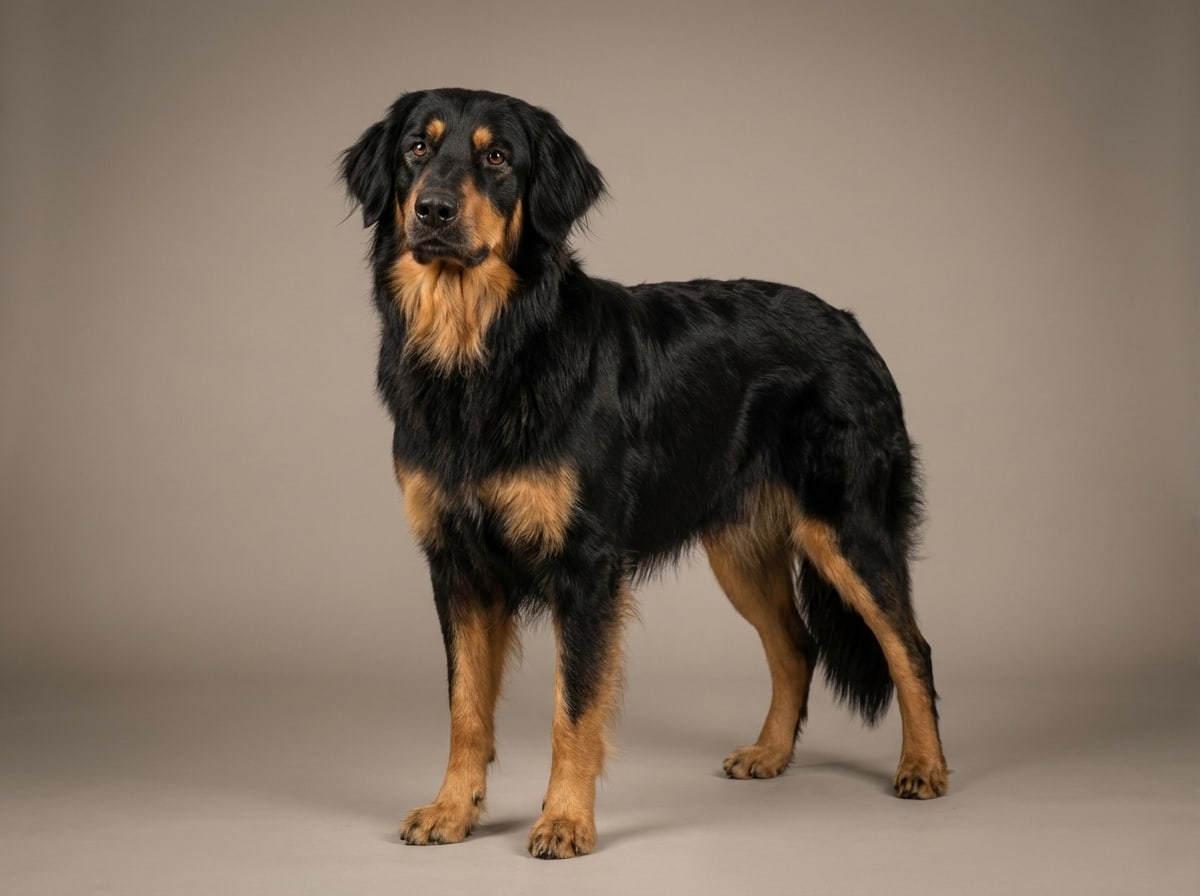
The Boxador coat is one of those deceptive combinations that looks simple but behaves in ways that surprise new owners. A Boxer's sleek, single-layer coat meets a Labrador's dense, water-resistant double coat. The result? A short-haired dog that sheds like a much longer-coated breed.
Parent Coat Comparison
Boxer: Short (0.25-0.5 inch), smooth, single coat. No undercoat. Minimal natural oils. Lies extremely flat against the muscular body. Light to moderate shedding.
Labrador Retriever: Short-to-medium (0.5-1 inch), dense double coat. Thick undercoat for insulation. Natural oils for water resistance. Lies flat but has noticeably more body than a Boxer coat. Heavy shedding.
The contrast is significant -- you're crossing a minimal-coat breed with a maximum-coat-for-its-length breed.
Boxador Coat Types
Sleek/Single (Boxer-Dominant)
About 25% of Boxadors:
- Very short, tight to the body
- Minimal to no undercoat
- Smooth, almost slick texture
- Light to moderate shedding
- Little weather protection
- Muscle definition clearly visible
Dense/Short (Lab-Dominant -- Most Common)
Approximately 50% of Boxadors:
- Short coat with noticeable thickness
- Moderate undercoat present
- Slightly longer than a Boxer (0.5-1 inch)
- Some water resistance
- Moderate to heavy shedding
- Coat has more "body" when you run your hand through it
Dense/Medium (Strong Lab Influence)
Roughly 25% of Boxadors:
- Slightly longer than typical short coat
- Clear double coat structure
- Water-resistant outer layer
- Heavy shedding with seasonal blowouts
- May have subtle feathering on legs or tail
- Most Lab-like in coat behavior
Shedding Reality Check
The Labrador Retriever was ranked by the American Kennel Club as a 5/5 for shedding -- the highest category. Here's how that translates in Boxador crosses:
Boxer-dominant Boxadors: Moderate, year-round shedding. Short hairs that embed in fabric. No dramatic seasonal changes.
Balanced Boxadors: Moderate-to-heavy year-round shedding with noticeable seasonal increases in spring and fall. The undercoat cycles, releasing dead hair.
Lab-dominant Boxadors: Heavy year-round shedding with distinct seasonal blowouts. Can produce impressive volumes of loose hair during transition periods.
The common surprise: even Boxer-dominant Boxadors shed more than a purebred Boxer. The Lab genes increase coat density even when the visual appearance stays short.
Color Patterns
Boxadors come in a range of colors:
- Black (most common -- dominant from both breeds)
- Brindle (Boxer contribution)
- Fawn/tan
- Chocolate/brown (from Lab side)
- Yellow/golden (Lab influence)
- White markings on chest, paws (Boxer pattern)
- Solid colors
Coat and Skin Health
This section matters more for Boxadors than many breeds. Both parents have skin-related concerns:
From the Boxer side:
- Allergic dermatitis (environmental and food triggers)
- Mast cell tumors (any new lump should be vet-checked)
- Sensitivity to insect bites
- Potential for demodectic mange susceptibility
- Hot spots (acute moist dermatitis) -- especially after swimming or in humid weather
- Lipomas (benign fatty tumors -- common, usually harmless)
- Ear infections from floppy ears trapping moisture
- Pyoderma (bacterial skin infections)
Daily and Weekly Care
For Boxer-Dominant Coats
3x weekly (3-5 minutes):
- Rubber curry brush in circular motions (removes loose hair, stimulates skin)
- Check skin for bumps, rashes, or dry patches
- Soft bristle brush for finishing
- Ear check
- Facial fold cleaning if wrinkles present
For Lab-Dominant Coats
Daily or every other day (5-10 minutes):
- Rubber curry brush over entire body
- Follow with bristle brush or deshedding glove
- Check ears for moisture or odor
- More thorough session with deshedding tool (FURminator-type for short coats)
- Full skin inspection
- Paw pad check
During Seasonal Shedding Increases
- Increase brushing to daily for all coat types
- Use a damp cloth after brushing to pick up loose surface hair
- Consider a deshedding bath with specialized products
Essential Tools for Boxador Owners
| Tool | Purpose | All Types? | |------|---------|------------| | Rubber curry brush | Primary shedding tool | Yes | | Bristle brush | Finishing, oil distribution | Yes | | Grooming mitt/glove | Quick daily once-over | Yes | | Short-coat deshedding tool | Seasonal heavy shedding | Lab-dominant | | Damp microfiber cloth | Picks up surface hair after brushing | Yes |
Bathing Guidelines
Frequency: Every 6-8 weeks (or when genuinely dirty/smelly)
After swimming: Rinse with fresh water immediately. Dry thoroughly -- especially in skin folds and ears. The water-resistant coat can trap moisture close to the skin.
Product choice:
- Standard: A quality deshedding shampoo loosens dead undercoat
- For skin issues: Oatmeal-based or vet-prescribed medicated shampoo
- Avoid: Human shampoo, harsh detergent-based products
Temperature Tolerance
| Coat Type | Cold Tolerance | Heat Tolerance | |-----------|---------------|----------------| | Boxer-dominant | Low (jacket <45F) | High | | Balanced | Moderate | Moderate-High | | Lab-dominant | Moderate-Good | Moderate |
Boxador coat type determines outerwear needs. Boxer-dominant coats provide minimal insulation -- these dogs need protection in cold weather. Lab-dominant coats handle cold better but may overheat faster in summer due to insulating undercoat.
Your Boxador's coat tells you which parent's genetics dominate -- and guides how you care for them. Whether sleek and minimal or dense and shedding, the care routine is straightforward. Consistency beats intensity for this breed's coat maintenance.
---
Ready to streamline your grooming workflow? PawOps Board Manager helps salons track every Boxador from check-in to pickup with real-time visibility. Start your free 30-day trial →
Related Reading: