Understanding Your Bracco Italiano's Coat: What Every Owner Should Know
Understanding Your Bracco Italiano's Coat: What Every Owner Should Know
The Bracco Italiano is one of the oldest pointing breeds in the world -- Italian frescoes depict dogs remarkably similar to today's Bracco as far back as the 4th and 5th centuries. Their coat has remained largely unchanged through the centuries: practical, protective, and unpretentious. Understanding its simplicity helps you care for it properly.
Coat Structure: Elegant Simplicity
The Bracco's coat is one of the most straightforward in the sporting group:
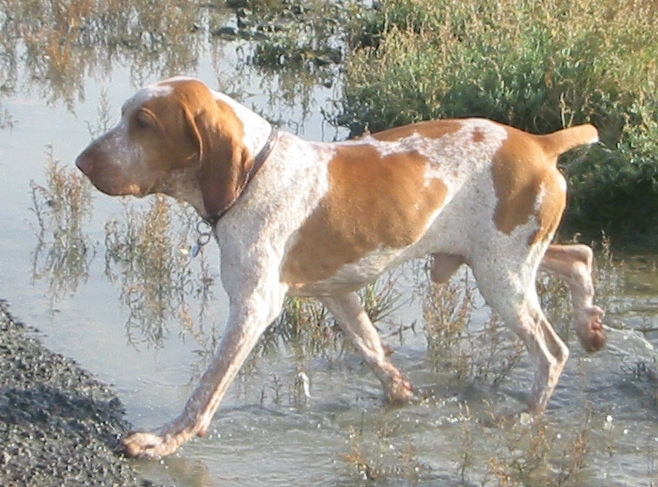
Type: Short, dense, glossy single coat with minimal undercoat
Length: Approximately 0.5-1 inch across the body. Slightly shorter on the head and ears. Slightly longer on the back of the thighs (minimal fringing, not true feathering).
Texture: Fine but dense. Individual hairs are thinner than a Labrador's but packed closely together. The texture should feel smooth and slightly slick when healthy -- never rough, dull, or dry.
Shine: A healthy Bracco coat has a distinctive natural sheen. This comes from the coat's density creating a uniform surface that reflects light evenly, combined with healthy oil production.
Undercoat: Minimal. Some Braccos develop a light undercoat in winter, but it is nothing like the dense underlayer of double-coated breeds. The practical effect: less insulation but also much less shedding and simpler maintenance.
Color and Markings
Bracco Italiano come in specific color patterns:
White and Orange: White base with orange markings that range from pale gold to deep amber. Markings can be patches, ticking, or roan.
White and Chestnut (Marrone): White base with rich chestnut/brown markings. Same pattern variations as orange.
Orange Roan: Mixture of white and orange hairs creating an overall warm appearance.
Chestnut Roan: Mixture of white and chestnut hairs.
Coat color notes:
- White areas show dirt readily (practical consideration for field dogs)
- Orange/chestnut intensity can darken slightly with maturity
- Sun exposure can lighten orange markings over time
- Solid white is acceptable but rare
- Solid colored (no white) does not occur in the breed
The Skin Beneath: Where Complexity Lives
While the Bracco's coat is simple, their skin is where the complexity lies:
Loose Skin
The Bracco has characteristically loose, somewhat pendulous skin -- particularly on the head, throat (dewlap), and body. This loose skin:
- Creates folds that trap moisture and bacteria
- Requires thorough drying after bathing or swimming
- Needs periodic cleaning in fold areas
- Can develop yeast infections in humid conditions if neglected
- Adds to the breed's noble, somewhat droopy expression
Skin Sensitivity
Many Bracco Italiano owners report skin sensitivities in their dogs. While not universal, the breed shows a tendency toward:
- Contact dermatitis (reactions to grasses, chemicals)
- Food-related skin responses
- Environmental allergies manifesting as skin irritation
- Sensitivity to harsh grooming products
The Ear-Skin Connection
The Bracco's ears are essentially an extension of their skin story. Those long, heavy ears with their pendulous hang create a micro-environment:
- Warm (body heat trapped under the ear flap)
- Humid (moisture from the ear canal cannot evaporate)
- Dark (no light or airflow reaches the canal)
Shedding: The Real Story
Bracco shedding is often misunderstood:
Amount: Moderate year-round. More than a Vizsla or Weimaraner, less than a Labrador or Golden Retriever.
Pattern: Consistent daily shedding rather than dramatic seasonal blows. You will find short hairs on clothing, furniture, and car seats every day.
Character of shed hair: Short, fine, slightly stiff hairs that:
- Embed in woven fabrics with their pointed tips
- Are difficult to lint-roll from textured clothing
- Show prominently on dark clothing (white hairs) and light clothing (orange/chestnut hairs)
- Accumulate in corners and under furniture
Coat Health Indicators
The Bracco's short coat makes health assessment easy -- there is nowhere for problems to hide:
| Coat Appearance | Indicates | |----------------|-----------| | Smooth, glossy, uniform sheen | Excellent health and nutrition | | Dull, dry, no shine | Nutritional deficiency (omega-3s) or dehydration | | Flaking/dandruff visible | Dry skin, over-bathing, or underlying condition | | Red/irritated patches | Allergy, contact dermatitis, or hot spot beginning | | Thinning in patches | Allergies, hormonal issue, or fungal infection | | Excessive greasiness | Seborrhea or hormonal imbalance | | Color fading | Sun damage or nutritional issue |
Seasonal Considerations
Summer:
- The short coat provides minimal sun protection for white-skinned areas
- Dogs with large white patches may benefit from dog-safe sunscreen on nose and thin-coated areas
- Heat management is better than double-coated breeds (less insulation works both ways)
- Swimming increases ear infection risk -- always dry ears thoroughly
- Limited insulation means Braccos feel cold sooner than heavy-coated breeds
- May need a jacket for extended outdoor time in cold climates
- Slight undercoat thickening provides minimal help
- Indoor heating can dry the skin -- monitor for flaking
- Mild seasonal shedding increase
- Allergies may flare (environmental allergens peak in spring/fall)
- Ideal time for thorough professional de-shedding sessions
Nutrition and Coat Quality
The Bracco's coat responds quickly and visibly to nutrition because it is short and dense -- changes in condition show within 2-3 weeks:
For optimal coat health:
- Omega-3 fatty acids (fish oil): 1000-2000mg daily for anti-inflammatory skin support and coat sheen
- Omega-6 fatty acids: For skin barrier function
- Quality animal protein: Supports healthy hair growth
- Biotin: Supports coat strength and reduced shedding
- Zinc: Critical for skin health and wound healing
- Low-quality filler-heavy kibble (shows as dull coat within weeks)
- Artificial additives that may trigger skin sensitivity
- Sudden food changes (can cause skin reactions in sensitive Braccos)
Home Care Routine
3x Weekly (5 minutes):
- Rubber curry brush over entire body (stimulates oils, removes loose hair)
- Quick visual skin check (easy with short coat)
- Ear smell test (normal = neutral; concerning = yeasty/foul)
- Skin fold cleaning (face, dewlap) with dog-safe wipe
- Paw pad inspection
- Nail check
- Dry ears thoroughly (inside of flap and around canal)
- Dry skin folds
- Let body air-dry or towel gently
Tools Every Bracco Owner Needs
- Rubber curry brush/grooming mitt: The ideal tool for short-coated breeds. Removes dead hair, stimulates circulation, distributes oils.
- Soft bristle brush: For finishing and light daily maintenance.
- Dog-safe ear cleaner: Veterinary-recommended solution for weekly ear maintenance.
- Dog-safe skin wipes: For between-bath fold cleaning.
- Microfiber towel: For thorough post-water drying of ears and folds.
- Slicker brush (too aggressive for short coat)
- Undercoat rake (minimal undercoat to rake)
- De-matting tools (no mats in short coat)
- Stripping knife (no wire to strip)
Appreciate the Practicality
The Bracco Italiano's coat is Italian pragmatism at its finest: no frills, no excessive maintenance, just a clean, functional covering for a working dog. It dries quickly, stays relatively clean, and looks elegant without effort. The breed's complexity lies not in the coat itself but in the skin and ears beneath it.
Understand that distinction -- simple coat, demanding skin and ears -- and you have the key to keeping your Bracco comfortable, healthy, and looking as noble as their ancient heritage deserves.
---
Ready to streamline your grooming workflow? PawOps Board Manager helps salons track every Bracco Italiano from check-in to pickup with real-time visibility. Start your free 30-day trial →
Related Reading: