Understanding Your Bullmastiff's Coat: What Every Owner Should Know
Understanding Your Bullmastiff's Coat: What Every Owner Should Know
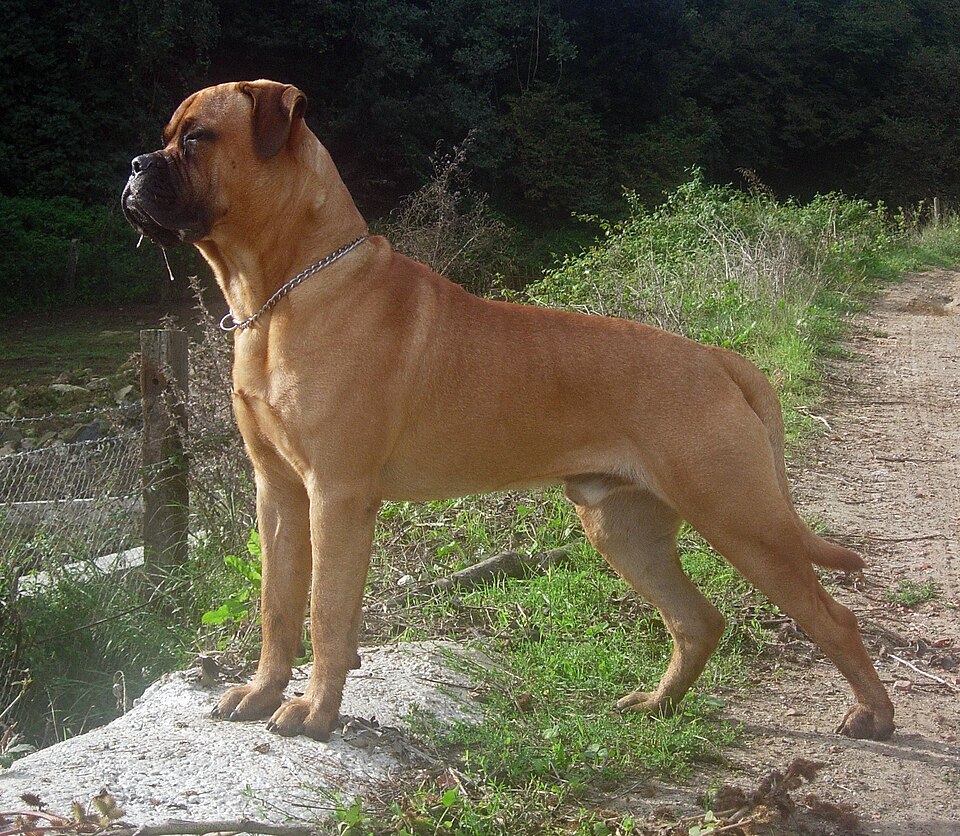
The Bullmastiff's coat is a study in functional efficiency. Short, dense, and weather-resistant, it protects a 100 to 130-pound dog without requiring elaborate maintenance. The coat was never the point with this breed -- the Bullmastiff was bred by English gamekeepers to catch poachers silently in the dark. They needed a dog that was powerful, brave, and easy to keep, not one that required a grooming appointment.
That breeding philosophy shows in the coat. It is the simplest coat a dog this large could wear. But simple coat does not mean simple care, because the Bullmastiff's grooming story is really about what is happening underneath.
Coat Structure
The Double Layer (That Acts Like a Single)
Technically, Bullmastiffs have a double coat. There is a slightly longer, coarser outer layer and a shorter, softer undercoat beneath it. In practice, both layers are so short that they function as a single dense layer. You cannot visually distinguish the two layers the way you can on a German Shepherd or a Husky.
This coat provides:
- Weather resistance: Adequate for moderate weather but not extreme cold
- Moderate insulation: Enough to work outdoors in English climate, not enough for harsh winters
- Scratch and abrasion protection: The dense, slightly coarse outer hair protects against brush, thorns, and rough ground contact
- Easy maintenance: No trimming, no styling, no elaborate coat care
Texture
The outer coat is short, slightly coarse, and lies flat. It has a firm feel -- not soft like a Boxer's coat, not wiry like a terrier's, but somewhere between. The undercoat is softer and shorter, providing a thin insulating layer.
When healthy, the coat has a natural low-key sheen. It will never be as glossy as a Doberman's or as matte as a German Wirehair's. It sits in a middle ground that looks clean and cared for without being dramatic.
Color
Bullmastiffs come in three colors:
- Red: Ranging from light ginger to deep red
- Fawn: Light tan to darker fawn
- Brindle: Tiger-stripe pattern over any base color
Here is a detail most owners do not notice: the black mask area often has a slightly different coat texture than the body. The hair on the muzzle and around the eyes is typically shorter, finer, and lies flatter. This is worth knowing because this area is also where the deepest facial folds concentrate -- finer hair plus deeper folds means moisture retention is highest right where the skin is most sensitive.
Shedding Patterns
Bullmastiffs shed moderately year-round with slight increases in spring and fall. The shedding is not dramatic by giant breed standards -- nowhere near a Saint Bernard's or a Newfoundland's -- but at 120 pounds, even moderate shedding produces a noticeable amount of fur.
| Season | Shedding Level | What to Expect | |--------|---------------|----------------| | Spring | Moderate-heavy | Thin winter undercoat sheds out, about 3-4 weeks | | Summer | Light-moderate | Steady background shedding | | Fall | Moderate | Summer coat replaced by denser winter coat | | Winter | Light-moderate | Stable coat, minimal shedding |
The short, stiff shed hairs embed in furniture and clothing. A rubber curry brush used twice weekly is the most effective home tool for managing this.
The Real Story: Skin and Wrinkles
Facial Fold Anatomy
Bullmastiffs have deep facial wrinkles around the muzzle, beneath the eyes, and along the sides of the face. These wrinkles serve no modern purpose -- they are a legacy of the breed's Mastiff and Bulldog ancestry.
What these folds create is a series of warm, dark, moist pockets that are ideal environments for bacterial and yeast growth. Add in the breed's generous drool production, and you have a system that requires daily attention.
Fold dermatitis -- infection of the skin within the folds -- is one of the most common health issues in the breed. Signs include:
- Red, irritated skin within the folds
- Foul odor
- Discharge
- The dog rubbing their face on furniture or carpet
Body Skin Considerations
Beyond the face, Bullmastiffs can have loose skin on the body, particularly around the neck and shoulders. This loose skin also creates micro-environments where moisture can collect, especially in dogs that are overweight or live in humid climates.
The breed's predisposition to allergic dermatitis adds another layer. Environmental allergens (pollen, dust mites, mold) and food sensitivities trigger skin reactions that show up as itching, redness, and recurring infections.
A Surprising Coat Fact
Here is something that catches most Bullmastiff owners off guard: despite having one of the shortest coats among giant breeds, Bullmastiffs have one of the densest. A square inch of Bullmastiff coat contains significantly more individual hairs than the same area of a Labrador Retriever coat, according to comparative breed coat density studies. This density is what gives the coat its weather resistance and its firm, close-lying feel. It also means that skin beneath the coat stays relatively protected from environmental contact, even though the hair is short. However, this density also means that when the skin does develop problems, the tight-packed hair traps moisture and medication against the skin -- which can be either helpful (medicated shampoos penetrate well) or harmful (moisture from hot spots has nowhere to go).
Home Care Essentials
Daily Requirements
Facial fold cleaning: Non-negotiable. Every day, wipe between every fold with a damp cloth, unscented baby wipe, or antimicrobial pet wipe. Then dry with a separate dry cloth. Moisture left in folds invites infection.
Drool management: Wipe the muzzle after meals and heavy drinking. Keep towels in strategic locations.
Weekly Requirements
Coat brushing: Rubber curry brush or grooming mitt over the entire body. Takes 10 minutes on a cooperative Bullmastiff. Removes dead hair, distributes skin oils, and gives you a skin inspection opportunity.
Ear check: Look inside the ears for debris, odor, or redness.
Paw check: Inspect between toes and check nail length.
Monthly Requirements
Home bath (between professional visits): Use a gentle shampoo. The challenge is logistics -- most people need a walk-in shower or outdoor setup for a dog this size. A hose with warm water works in temperate weather.
Seasonal Considerations
Spring/Fall: Increase brushing to three times weekly during shedding transitions.
Summer: Watch for hot spots in humid climates. The dense coat traps heat and moisture. Provide shade and limit intense exercise during peak heat.
Winter: Bullmastiffs handle cold better than many short-coated breeds because of their coat density, but prolonged exposure below freezing still requires a dog coat for outdoor time.
Tools You Need
- Rubber curry brush: Primary grooming tool
- Antimicrobial pet wipes: Daily facial fold care
- Chamois or microfiber towels: Drool management and quick dry-offs
- Ear cleaning solution: Weekly ear maintenance
- Heavy-duty nail clipper or grinder: If you handle nails between professional visits
Related Reading: