Understanding Your Cairn Terrier's Coat: What Every Owner Should Know
Understanding Your Cairn Terrier's Coat: What Every Owner Should Know
The Cairn Terrier's coat is one of the most misunderstood in the dog world. Owners see a small, scruffy dog and assume the coat takes care of itself. It does not. That rough, natural look is the product of a very specific double-coat structure that behaves differently from most other breeds -- and understanding how it works changes everything about how you care for your dog.
The Cairn Terrier Double Coat: Two Layers With Two Jobs
Your Cairn Terrier wears two coats at the same time, and each one has a distinct purpose.
The Outer Coat
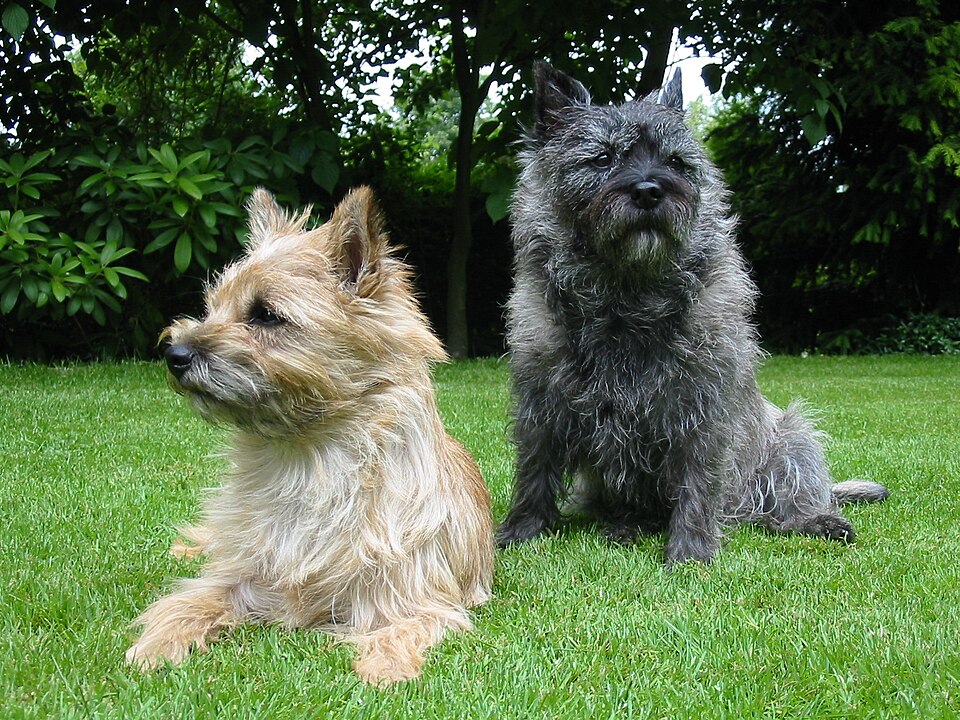
The outer coat is harsh, wiry, and weather-resistant. If you run your hand over a properly maintained Cairn Terrier, the fur feels rough and slightly bristly -- almost like a Brillo pad compared to the silky coats of breeds like Yorkies or Maltese.
This texture is not accidental. The wiry outer coat was bred into the Cairn Terrier over centuries to protect them while working in the rocky, rainy Scottish Highlands. The coarse hairs shed water, resist dirt, and protect the dog from thorns and brush.
When the outer coat is maintained correctly (through hand stripping), each hair has a tapered tip that naturally repels water and releases dirt. Clip the coat instead, and you get blunt-cut hairs that trap dirt and absorb moisture -- the opposite of what the coat was designed to do.
The Undercoat
Beneath that wiry exterior sits a soft, dense undercoat that acts as insulation. In cold weather, it traps warm air against the skin. In warm weather, it actually helps regulate body temperature by creating an air barrier between the skin and the sun.
The undercoat is the part most owners forget about. It grows continuously and, if not regularly removed through grooming, packs down against the skin like felt. This packed undercoat is the root cause of most Cairn Terrier skin problems.
How the Cairn Terrier Coat Grows
Understanding the growth cycle is key to understanding why Cairn Terrier grooming works the way it does.
Wiry-coated breeds have a longer growth cycle than most dogs. Each outer coat hair goes through phases:
In most breeds, dead hairs fall out naturally. In wire-coated terriers like the Cairn, dead hairs tend to stay in the follicle rather than shedding freely. This is why hand stripping exists -- it removes those dead hairs from the root, making room for new growth with the correct wiry texture.
When you clip the hair instead, you cut through live and dead hairs indiscriminately. The dead root stays in the follicle, and the new growth pushes up alongside it, resulting in a softer, denser texture that lacks the original wiry character.
The Cairn Terrier Shedding Pattern
Here is where the Cairn Terrier surprises people: they are often listed as a "low-shedding" breed, and that is only half true.
Cairn Terriers do shed, but their shedding pattern is different from breeds like Labs or Golden Retrievers. Instead of visibly dropping hair everywhere, the dead coat tends to stay trapped within the wiry outer layer and the dense undercoat. The hair is there -- you just do not see it on your couch.
This sounds like a benefit, and in terms of household cleanliness, it is. But it means the dead coat accumulates on the dog. Without regular grooming to remove it, you end up with a packed, matted layer that causes skin irritation.
Cairn Terriers do experience a slightly heavier shed in spring and fall when the undercoat adjusts for seasonal temperature changes. During these periods, more frequent brushing helps manage the transition.
A surprising fact: despite their small size, a Cairn Terrier's double coat contains roughly the same density of hair per square inch as an Alaskan Malamute's. The coat is extraordinarily dense for a dog that weighs only 13 to 14 pounds. That density is why undercoat management is so critical.
How to Care for Your Cairn Terrier's Coat at Home
Brushing: The Foundation
Brush your Cairn two to three times per week. Use a slicker brush for the outer coat and a metal comb to check for tangles close to the skin.
Focus on these problem areas:
Bathing
Bathe your Cairn every four to six weeks. Important details:
- Use a texturizing or terrier-specific shampoo -- avoid moisturizing formulas that soften the wire coat
- Do not condition the outer coat -- conditioner makes wiry hair limp and flat
- You can apply a light conditioner to the leg furnishings and belly, where the coat is softer
- Dry thoroughly -- that dense undercoat holds moisture; a high-velocity dryer works best
Between-Groom Maintenance
- Remove burrs and debris after outdoor walks immediately
- Check ears weekly for wax buildup and hair growth in the canal
- Wipe facial furnishings after meals -- the beard collects food
- Trim paw pad hair monthly to maintain traction
Common Cairn Terrier Coat Problems
Coat Softening
The most common complaint from Cairn owners is that the coat has gone soft. This almost always results from repeated clipping rather than hand stripping. Once the coat has gone soft, it takes multiple stripping cycles to bring back the wiry texture -- usually six months to a year of dedicated strip-and-regrow cycles.
Undercoat Compaction
When the undercoat is not regularly removed, it compresses into a dense mat against the skin. You might not see it from the outside because the wiry outer coat covers it. But if you part the fur and look at the skin, you will see a tightly packed layer that restricts airflow. This is a breeding ground for hot spots and bacterial infections.
Color Fading
Cairn Terriers come in a range of colors -- wheaten, red, brindle, black, gray -- and clipping can cause color fading over time. The new growth comes in lighter and less vibrant. Hand stripping preserves the original color intensity because the entire hair is replaced rather than trimmed.
Seasonal Allergies
Cairn Terriers can be prone to allergies that manifest as itchy, irritated skin. A well-maintained coat helps because proper airflow to the skin reduces moisture buildup. Dogs with packed undercoats tend to scratch more, which can be mistaken for allergies when the real issue is poor coat maintenance.
When the Cairn Terrier Coat Changes
Puppy coat transitions to adult coat between 6 and 12 months. The puppy coat is softer and less wiry -- do not worry if your young Cairn does not have that signature rough texture yet. Many breeders recommend starting hand stripping at around 6 months to begin training the coat.
Senior Cairns may develop a thinner undercoat and the outer coat can become more brittle. Adjusting grooming frequency and adding omega fatty acids to the diet helps maintain coat quality in older dogs.
PawOps tracks coat condition and grooming history for every pet, helping salons deliver consistent, breed-appropriate care visit after visit.