Understanding Your Canaan Dog's Coat: Thousands of Years of Desert Engineering
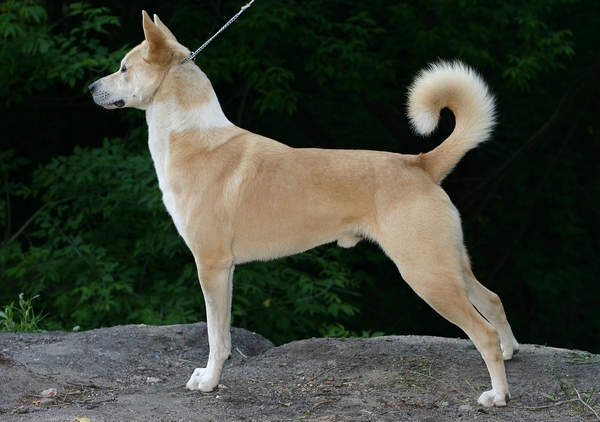
Understanding Your Canaan Dog's Coat: Thousands of Years of Desert Engineering
The Canaan Dog carries a coat that represents thousands of years of natural selection in one of the most demanding environments on earth. This is not a coat designed by breeders for aesthetics -- it is a survival system refined by the Negev Desert, the wilderness of ancient Israel, and the diverse climates of the Middle East. Understanding this heritage helps you care for it properly.
The Coat's Origin Story
The Canaan Dog is a pariah-type breed that lived semi-wild in the deserts and hill country of Israel for thousands of years. Some were loosely associated with Bedouin camps, others were fully feral. They survived without shelter, without grooming, and without veterinary care. The coat that evolved to handle this is remarkably efficient.
What the desert demanded:
- Protection from intense UV radiation (temperatures exceeding 120F in direct sun)
- Insulation against freezing desert nights (temperatures can drop below 40F)
- Resistance to sand, thorns, and rocky terrain
- Natural parasite resistance
- Self-cleaning ability (no baths available in the desert)
- Adaptability to seasonal extremes
The Coat Structure
The Outer Coat
Harsh, straight, dense, and flat-lying. The outer coat is the first line of defense. Its hard texture serves multiple purposes:
- UV protection: The dense outer coat blocks solar radiation from reaching the skin
- Physical protection: The hardness resists thorns, abrasive sand, and biting insects
- Self-cleaning: The texture sheds sand and dirt naturally -- a critical feature in a sandy environment
- Water resistance: While not waterproof like a Labrador's coat, the harsh texture sheds light rain effectively
The Undercoat
Soft, dense, and highly variable. The undercoat is the temperature regulation system, and it is remarkably adaptive:
- In cold environments (or cold seasons), the undercoat thickens dramatically
- In warm environments (or warm seasons), the undercoat thins significantly
- The transition between states happens through shedding -- the coat blow events that Canaan Dog owners know well
The Adaptation Phenomenon
Here is something genuinely remarkable about the Canaan Dog coat: it adapts to local conditions not just seasonally but over a dog's lifetime.
A Canaan Dog that moves from a warm climate to a cold one will develop a noticeably thicker undercoat over one to two seasonal cycles. A dog that moves from cold to warm will thin its undercoat accordingly. This is not just seasonal cycling -- it is true environmental adaptation.
Studies of primitive and pariah breeds suggest this adaptability is linked to the breed's relatively unmodified genetic heritage. Breeds that have been heavily selected for specific coat traits (like Poodles or Bichons) have largely lost this environmental responsiveness. The Canaan Dog retains it because nobody bred it out of them.
Shedding: The Desert Dog in Your Living Room
In the wild, Canaan Dog shedding was managed by the environment:
- Wind carried away loose fur
- Abrasive surfaces (sand, rock) physically removed dead coat
- Movement through vegetation stripped loose undercoat
- Sun exposure helped dry and release dead fur
The coat blow: Twice yearly, the undercoat loosens en masse. For a dog adapted to dramatic seasonal transitions (scorching summer to cold winter), this change is rapid and complete. The volume of shed undercoat during a blow is significant -- more than most medium-sized breeds produce.
Color and Pattern
Canaan Dogs come in two patterns:
- Predominantly white with a mask and large colored patches
- Solid colored (from sandy to reddish-brown to black) with or without white markings
One color-related observation: sand-colored Canaan Dogs -- the classic desert coloring -- have a slightly different coat feel than black or dark-colored ones. The lighter coats sometimes feel marginally softer, though this is subtle and does not affect grooming approach.
Home Care for the Desert Coat
The Canaan Dog's coat philosophy is simple: support its natural function without interfering.
- Brush once or twice weekly with a slicker brush or rubber curry comb
- Daily brushing during coat blow to remove loose undercoat
- Bathe sparingly -- every eight to twelve weeks unless dirty. The self-cleaning coat handles everyday soil.
- Never trim or shape -- this coat functions as designed in its natural state
- Allow environmental exposure -- outdoor time in varied conditions helps the coat regulate naturally
Tools
- Slicker brush -- effective on the medium-length outer coat
- Undercoat rake -- essential during shedding season
- Rubber curry comb -- good for quick maintenance sessions
- Steel comb -- for checking the ruff area for any developing tangles
When the Coat Signals Issues
- Excessive shedding outside normal cycles -- stress, thyroid issues, or dietary problems
- Dull, dry coat -- nutritional deficiency or illness
- Persistent dandruff -- could indicate dry skin from low humidity (common when desert dogs live in arid indoor environments with heating/AC)
- Hot spots or wet patches -- moisture-related skin issues that the breed is not well-adapted to handle (more common in humid climates)
- Coat not thickening in winter -- possible thyroid or hormonal issue
Respecting the Ancient Coat
The Canaan Dog's coat represents one of the oldest, most naturally refined coat systems in the domestic dog world. It has been field-tested by thousands of years of natural selection in a demanding environment. The best grooming approach is humble: support what already works rather than trying to improve on it.
PawOps helps grooming salons understand and properly care for natural-type breed coats using condition scoring that respects the coat's evolutionary design -- so your Canaan Dog receives grooming that supports their remarkable heritage coat.