Why Your Cavalier King Charles Spaniel Needs Professional Grooming
Why Your Cavalier King Charles Spaniel Needs Professional Grooming
Cavalier King Charles Spaniels are built for companionship, and their silky, flowing coats are part of the charm. But that beauty comes with responsibility. Cavalier king charles spaniel professional grooming isn't just about keeping your dog looking regal — it's about managing a coat that mats, ears that get infected, and skin that can hide problems under all that feathering.
The Cavalier Coat: Beautiful and Demanding
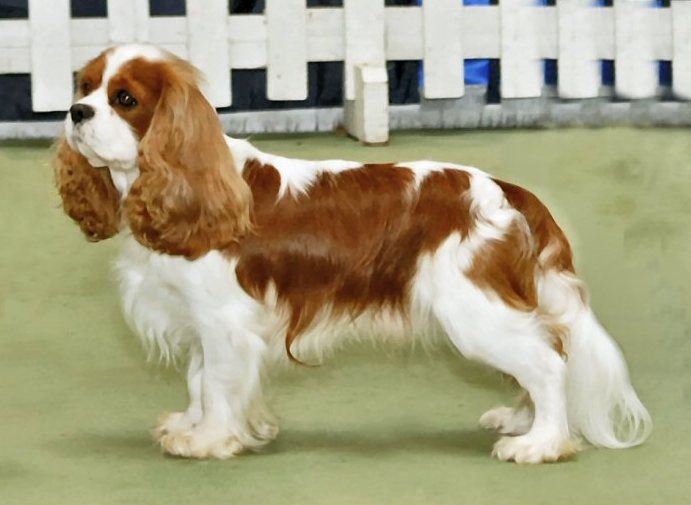
Cavaliers have a medium-length, silky single coat with feathering on the ears, chest, legs, and tail. The coat is fine-textured and lies flat or slightly wavy — never curly.
This coat tangles. The fine texture means individual hairs catch on each other, especially in the long feathering areas. Without regular brushing and professional maintenance, tangles become mats that pull on the skin and cause discomfort.
The feathering on the ears is particularly problematic. Cavalier ears are long, heavy, and covered in silky hair. The weight of the ear presses the hair against the head, creating friction that produces mats behind and underneath the ear leather.
The Ear Crisis
And honestly? Cavalier ears are a health concern beyond just matting.
Cavalier King Charles Spaniels have some of the longest, heaviest ear leather in the dog world. Those beautiful pendulous ears create a warm, dark, moist environment inside the ear canal — ideal conditions for yeast and bacterial infections.
According to the Cavalier King Charles Spaniel Club, ear infections are among the breed's most common health issues. Regular professional ear cleaning during grooming sessions is one of the most effective preventive measures.
Professional groomers:
- Clean the ear canal with appropriate solutions
- Remove excess hair from around the ear opening
- Dry the ear area thoroughly after bathing
- Check for signs of infection (redness, odor, discharge)
- Alert owners to issues that need veterinary attention
What Professional Grooming Provides
A complete Cavalier groom includes:
Thorough brush-out: Working through all feathering systematically. Behind ears, chest, armpits, and between rear legs are priority zones.
Bath with silky-coat products: Cavalier coats need conditioner to maintain the smooth texture. Improper products can make the coat dull or overly soft, both of which increase tangling.
Proper drying: The feathering must be dried while brushed straight. Air-dried Cavalier coats wave up and tangle.
Feathering trim: Neatening the foot feathering, trimming between the paw pads, shaping the ear feathering, and tidying the overall outline. Cavaliers shouldn't be heavily trimmed — the breed standard calls for a natural appearance — but maintenance trimming keeps the coat functional.
Sanitary trim: Essential for long-coated breeds.
Nail trimming: Cavaliers are indoor companion dogs who don't wear down nails naturally. Regular trimming is necessary.
Ear care: Cleaning and inspection as described above.
How Often Should a Cavalier Be Groomed?
Every 4 to 6 weeks. The fine, silky coat doesn't forgive long intervals.
Between grooms:
- Brush 3-4 times per week (daily for dogs kept in longer coats)
- Check behind ears every day — this is where mats form first
- Clean the ear area after the dog eats or drinks (food and water get trapped in the ear feathering)
- Wipe around the eyes to prevent tear staining
What Happens When Grooming Lapses
Cavaliers that go too long between grooms develop:
- Ear feathering mats: These pull on the ear leather, causing discomfort and potentially restricting ear canal airflow further
- Leg and chest tangles: Friction areas mat up within a week or two of missed brushing
- Paw pad issues: Hair between the paw pads grows long and collects debris, creating a slip hazard on smooth floors and a potential infection site
- Skin irritation under mats: Trapped moisture leads to hot spots and bacterial growth
Finding the Right Groomer
Cavaliers need a groomer who understands that the breed should be neatened, not restyled. The natural, flowing look is the goal — not a sculpted or overly trimmed appearance.
Good questions to ask:
- How do you handle long-eared breeds during drying?
- What's your approach to ear feathering — do you thin for airflow?
- Do you trim between the paw pads?
- How long does a typical Cavalier groom take?
Your Cavalier King Charles Spaniel was bred to sit in laps and charm everyone in the room. Professional grooming ensures they can do that while being healthy, comfortable, and looking every bit the royal companion they were designed to be.
---
Ready to streamline your grooming workflow? PawOps Board Manager helps salons track every Cavalier King Charles Spaniel from check-in to pickup with real-time visibility. Start your free 30-day trial →
Related Reading: