Understanding Your Cirneco dell'Etna's Coat: What Every Owner Should Know
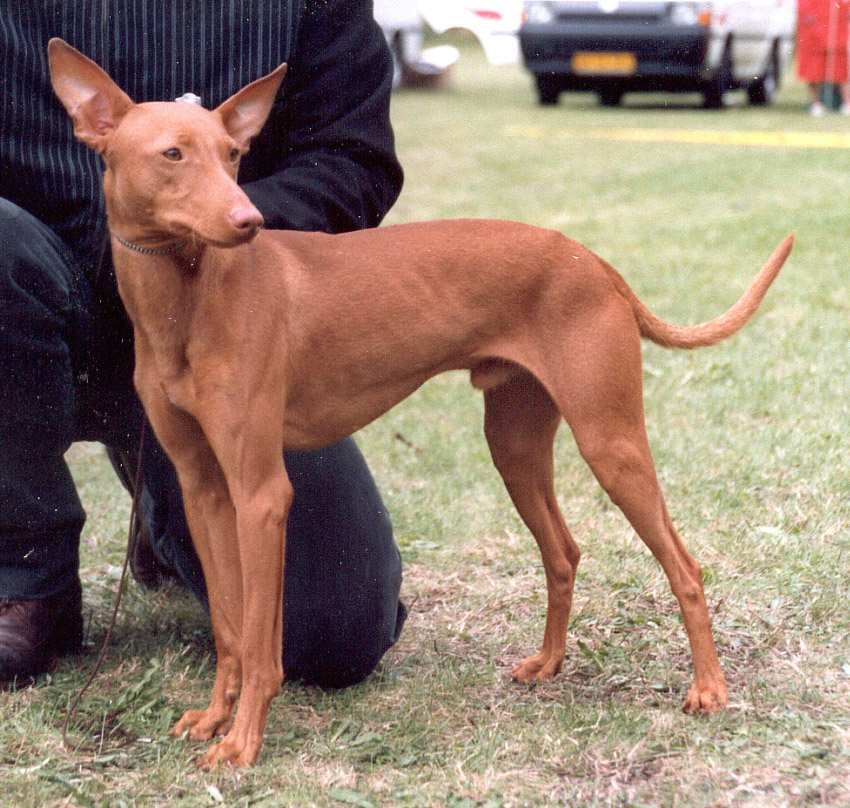
Understanding Your Cirneco dell'Etna's Coat: What Every Owner Should Know
The Cirneco dell'Etna is a living artifact -- a breed that has hunted rabbits on the volcanic slopes of Mount Etna for at least 2,500 years with virtually no change to its appearance. That history is written in every aspect of their coat, from its texture to its color to the way it lies against the body. Understanding this coat means understanding the environment that shaped it.
Coat Structure: Built for Sicilian Heat
The Cirneco dell'Etna has a single-layer coat with essentially no undercoat. This is a deliberate evolutionary feature. On the sun-baked slopes of Mount Etna, where summer temperatures regularly exceed 95 degrees Fahrenheit, a double coat would be a liability. The Cirneco needed a coat that:
- Allowed maximum heat dissipation through the skin
- Protected against sharp volcanic rock and thorny Mediterranean scrub
- Required minimal maintenance in the field
- Dried quickly after rain
Head and Ears: Very short and fine, almost satin-like. The ears have such thin hair coverage that the skin is partially visible, especially on lighter-colored dogs. This ultra-thin coverage keeps the large ears cool and allows the dog to regulate body temperature efficiently.
Body: Slightly longer and coarser than the head, typically 1-2 centimeters in length. The hair lies flat against the skin and has a slight sheen when healthy. It is dense enough to protect against scrapes but thin enough to feel the dog's musculature underneath.
Belly and Inner Thighs: Very sparse, almost hairless in some individuals. This is normal and functional -- these areas serve as cooling zones where blood vessels close to the skin surface release heat.
Tail: Covered in short hair of uniform length, slightly coarser than the body coat.
Color Variations and What They Mean
The Cirneco dell'Etna comes in shades of tan, ranging from light sand to deep chestnut. The breed standard also permits a mix of tan and white in various patterns. Some key points about coat color:
Self-Colored Tan: Ranges from pale buff to rich fawn to deep mahogany. The shade can shift slightly with seasons -- coats may appear lighter in summer due to sun bleaching and slightly darker in winter.
Tan and White: White markings may appear on the chest, feet, tail tip, facial blaze, or belly. The white should be clean and well-defined, not intermingled with tan hairs.
Skin Pigmentation: The skin beneath the coat is typically dark, which provides UV protection. Dogs with lighter skin pigmentation are more susceptible to sunburn, especially on sparsely coated areas.
A healthy Cirneco coat has a natural sheen -- not glossy like a Doberman, but a soft luster that indicates proper oil production and nutrition. A dull, dry-looking coat is one of the first signs of nutritional deficiency or skin issues.
Shedding Patterns
The Cirneco dell'Etna is a low shedder, but "low" does not mean "none." Here is what to expect:
Year-Round: Light, consistent shedding. You will find short tan hairs on dark clothing, furniture, and car seats. On a 1-10 scale, daily shedding ranks about a 2-3.
Seasonal Changes: Unlike double-coated breeds that "blow" their undercoat twice yearly, the Cirneco has a subtle seasonal shift. They may shed slightly more during spring and fall as the coat density adjusts marginally to temperature changes. However, without an undercoat to shed, these transitions are barely noticeable compared to breeds like German Shepherds or Huskies.
Stress or Health Shedding: Because the coat is already thin, any increase in shedding is immediately noticeable. Excessive shedding in a Cirneco often signals stress, poor nutrition, allergies, or hormonal issues and should be evaluated by a veterinarian.
Skin: The Real Story
With a breed this short-coated, skin health is grooming. The coat is almost translucent protection -- what matters most is the skin underneath.
Oil Production: The Cirneco's skin produces moderate natural oils that maintain coat sheen and provide a barrier against moisture and irritants. Over-bathing strips these oils faster than the skin can replenish them. Most Cirnechi should be bathed no more than once every 8-10 weeks unless they get genuinely dirty.
Sun Sensitivity: This is a breed that evolved in intense Mediterranean sun, so they have reasonable UV tolerance. However, dogs with lighter pigmentation, white patches, or sparse belly coverage can sunburn. Dog-safe sunscreen on the ear tips and belly is recommended for extended outdoor exposure.
Dryness: Indoor heating in winter and air conditioning in summer can dry out the Cirneco's skin. Signs include flaking, itching, and a dull coat. A humidifier in the dog's primary living area and occasional coconut oil or fish oil supplementation (consult your vet on dosage) help maintain moisture balance.
Contact Sensitivity: Without an undercoat buffer, the Cirneco's skin contacts environmental irritants more directly. Grass allergies, cleaning product residue on floors, and fabric softener on bedding can all cause reactions. If your Cirneco scratches frequently, investigate environmental contacts before assuming food allergies.
Coat Care at Home
Maintaining a Cirneco dell'Etna coat at home is straightforward but should not be skipped:
Weekly:
- Wipe down with a damp chamois cloth or grooming mitt to remove loose hair and dust
- Check ears for debris, wax, or redness
- Inspect skin for any changes -- bumps, dry patches, redness
- Brush with a soft rubber curry brush or hound glove
- Check nails and trim if needed
- Clean facial folds (if any) around the muzzle
- Full body skin assessment -- run your hands over every part of the dog
- Check paw pads for cracks or embedded debris
- Evaluate coat sheen and skin moisture
- Adjust bathing products for winter dryness or summer activity
- Consider adding omega-3 supplementation during dry months
- Increase tick and flea vigilance during warm months (parasites are highly visible but also more bothersome on thin coats)
Tools for the Cirneco Coat
You do not need much, but use the right things:
- Rubber curry brush or grooming mitt: The primary tool. Removes loose hair, stimulates circulation, distributes oils
- Soft bristle brush: For finishing and gentle skin stimulation
- Chamois cloth: For a quick wipe-down and adding sheen
- Gentle, moisturizing shampoo: pH-balanced for dogs, fragrance-free preferred
- Leave-in conditioner: Light formula for dry skin days
- Slicker brushes (too harsh for this thin coat)
- Furminator-type deshedding tools (designed for undercoats -- will irritate skin)
- Stripping knives (nothing to strip)
What Not to Do
Never over-bathe: More than once every 6-8 weeks strips natural oils. If your Cirneco gets muddy, a warm water rinse without shampoo is usually sufficient.
Never use harsh flea treatments without vet guidance: Thin-coated breeds absorb topical products more readily. Always consult your veterinarian on appropriate flea and tick prevention.
Never ignore skin changes: What looks like a small dry patch on a double-coated dog could be the same condition that is three times more visible -- and more uncomfortable -- on a Cirneco. Address skin issues early.
Never assume "short coat = no grooming": Skin care, nail care, ear care, and dental care all require attention regardless of coat length.
The Coat Reflects the Whole Dog
A healthy Cirneco dell'Etna has a coat that catches light, lies smooth against well-defined muscles, and feels like warm velvet under your hand. That appearance is not accidental -- it reflects proper nutrition, regular care, appropriate bathing, and attentive skin maintenance. When the coat looks dull or the skin is flaky, something is off. The Cirneco's coat is a diagnostic tool as much as it is a feature. Learn to read it, and you will always know how your dog is doing.
---
Ready to streamline your grooming workflow? PawOps Board Manager helps salons track every Cirneco dell'Etna from check-in to pickup with real-time visibility. Start your free 30-day trial →
Related Reading: