Understanding Your Cocker Spaniel's Coat: What Every Owner Should Know
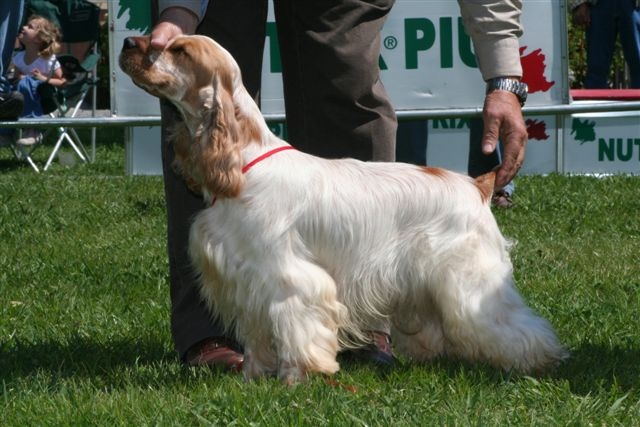
Understanding Your Cocker Spaniel's Coat: What Every Owner Should Know
That silky, flowing coat is probably one of the reasons you fell for your Cocker Spaniel in the first place. But after a few months of ownership, you might be wondering what exactly you signed up for. Cocker coats are beautiful, complex, and honestly a little demanding.
Understanding how your Cocker Spaniel's coat actually works is the first step toward keeping it healthy and gorgeous without losing your mind in the process.
The Cocker Spaniel Coat Structure
Cockers have a double coat, which means two distinct layers working together:
The undercoat is short, dense, and soft. It acts as insulation, keeping your dog warm in winter and (counterintuitively) cooler in summer by creating an air buffer against heat. This layer is the one that sheds.
The outer coat is the silky, medium-to-long hair that gives Cockers their signature look. It is flat or slightly wavy, and it grows continuously rather than reaching a set length and stopping. This continuous growth is why Cockers need regular haircuts while many other breeds do not.
Here is something that catches a lot of people off guard: there are actually two varieties of Cocker Spaniel, and their coats differ. The American Cocker Spaniel has a more profuse, longer coat with heavier feathering. The English Cocker Spaniel has a flatter, more working-style coat that is slightly easier to maintain. If you are not sure which you have, your groomer can tell you in about three seconds.
Cocker Spaniel Coat Growth Patterns
The Cocker Spaniel coat does not grow uniformly across the body. Different areas have different growth rates and textures:
- Head and muzzle: Short, fine hair that requires minimal trimming.
- Ears: Long, heavy feathering that grows continuously. This is the area most prone to tangling because the ears drag through food bowls, water dishes, and the ground.
- Back and sides: Medium-length coat that lies relatively flat. This area is typically clippered or hand-stripped in grooming.
- Chest and belly: Longer feathering that catches debris and tangles.
- Legs: Abundant feathering, especially on the backs of the front legs and thighs. These are tangle magnets.
- Feet: Hair grows between the paw pads and around the toes. Untrimmed foot hair causes sliding on hard floors and collects mud, ice, and debris.
Shedding: What to Actually Expect
Despite what some breeders might suggest, Cocker Spaniels do shed. They are moderate shedders year-round with heavier shedding in spring and fall as the undercoat cycles.
Here is the twist: because the outer coat is long, shed hair often gets trapped in the coat rather than falling to your floor. That sounds convenient until you realize that trapped dead hair is exactly what creates mats. Regular brushing does double duty by removing shed hair before it tangles and keeping the coat smooth.
A well-brushed Cocker actually seems to shed less than a neglected one. That is not because less hair is falling out. It is because you are removing it proactively with the brush instead of finding it in clumps on the couch.
Coat Colors and How They Affect Maintenance
Cocker Spaniels come in a gorgeous range of colors, and believe it or not, color can influence coat texture and grooming needs:
- Black Cockers tend to have the silkiest, straightest coats. Beautiful but shows every piece of lint and dandruff.
- Buff and cream Cockers often have slightly thicker, cottony coats that are more prone to matting.
- Parti-color Cockers (two or more colors) can have different textures in different colored areas of the same coat.
- Red and chocolate Cockers generally fall somewhere in the middle for texture.
Common Cocker Spaniel Coat Problems
Knowing what can go wrong helps you prevent it:
Matting
The number one issue. Cocker coats mat behind the ears, under the arms, on the chest, between the hind legs, and anywhere friction occurs. Mats start small and tighten over time, eventually pulling on the skin and causing pain.Prevention: Daily brushing with a slicker brush, focusing on friction areas. Use a steel comb afterward to catch anything the brush missed.
Seborrhea
Cockers are genetically predisposed to seborrhea, a condition where the skin produces too much oil. The coat looks greasy, smells off, and flakes. There are two types: oily (seborrhea oleosa) and dry (seborrhea sicca). Your vet and groomer can help identify which type your dog has and recommend appropriate shampoos.Hot Spots
Moist dermatitis that appears as red, oozing patches. Often triggered by trapped moisture under mats or in the ear area. Cockers' dense coat makes them particularly susceptible.Coat Texture Changes
After spaying or neutering, some Cockers experience a coat texture change. The coat may become cottony, thicker, or more prone to matting. This is hormonal and permanent. It does not mean anything is wrong, but it does mean grooming requirements may increase.Your Cocker Spaniel Coat Care Toolkit
Every Cocker owner needs these basics:
Working With Your Groomer
Your groomer is your partner in coat care. Here is how to make the relationship work:
- Be honest about home brushing. If you have not brushed in two weeks, say so. Your groomer will appreciate the honesty and can adjust the plan accordingly.
- Discuss the style you want. Bring photos. "Short" means different things to different people.
- Ask for a maintenance tutorial. A good groomer will happily show you how to brush your Cocker properly and which areas need the most attention.
- Report any skin changes. If you noticed flaking, redness, or unusual odor, tell your groomer before the bath. They may need to adjust products.
The Long Game With Your Cocker Spaniel's Coat
Maintaining a Cocker coat is a commitment, no question. But it is also one of the most rewarding parts of owning this breed. There is something deeply satisfying about a freshly groomed Cocker with that coat flowing and catching the light.
Start with the basics: daily brushing, regular professional grooming, and an honest relationship with your groomer. Your Cocker's coat will repay that investment by looking spectacular and keeping your dog comfortable and healthy.
Frequently Asked Questions
Do Cocker Spaniels shed a lot?
Cockers are moderate shedders year-round with heavier shedding in spring and fall. The long outer coat traps shed hair, which means less on your furniture but more potential for matting if you do not brush regularly.Should I shave my Cocker Spaniel in summer?
No. The double coat provides insulation against heat as well as cold. Shaving removes that protection and can lead to sunburn and improper coat regrowth. A shorter trim is fine, but avoid shaving down to the skin.How do I get mats out of my Cocker Spaniel's coat?
Small mats can be worked out with a slicker brush and detangling spray. Hold the base of the mat against the skin to avoid pulling, and work from the ends inward. Large or tight mats should be handled by a professional groomer to avoid hurting your dog or damaging the skin.When does a Cocker Spaniel puppy get its adult coat?
The adult coat typically starts coming in between 8 and 12 months of age. You will notice the texture changing from the fluffy puppy coat to the silkier, denser adult coat. This transition period often involves increased tangling.Why does my Cocker Spaniel's coat feel greasy?
Cockers are prone to seborrhea, a condition causing excess oil production. If the coat feels persistently greasy despite regular bathing, consult your vet. Medicated shampoos and dietary adjustments can help manage the condition.---
Ready to streamline your grooming workflow? PawOps Board Manager helps salons track every Cocker Spaniel from check-in to pickup with real-time visibility. Start your free 30-day trial →