Understanding Your Corgidor's Coat: What Every Owner Should Know
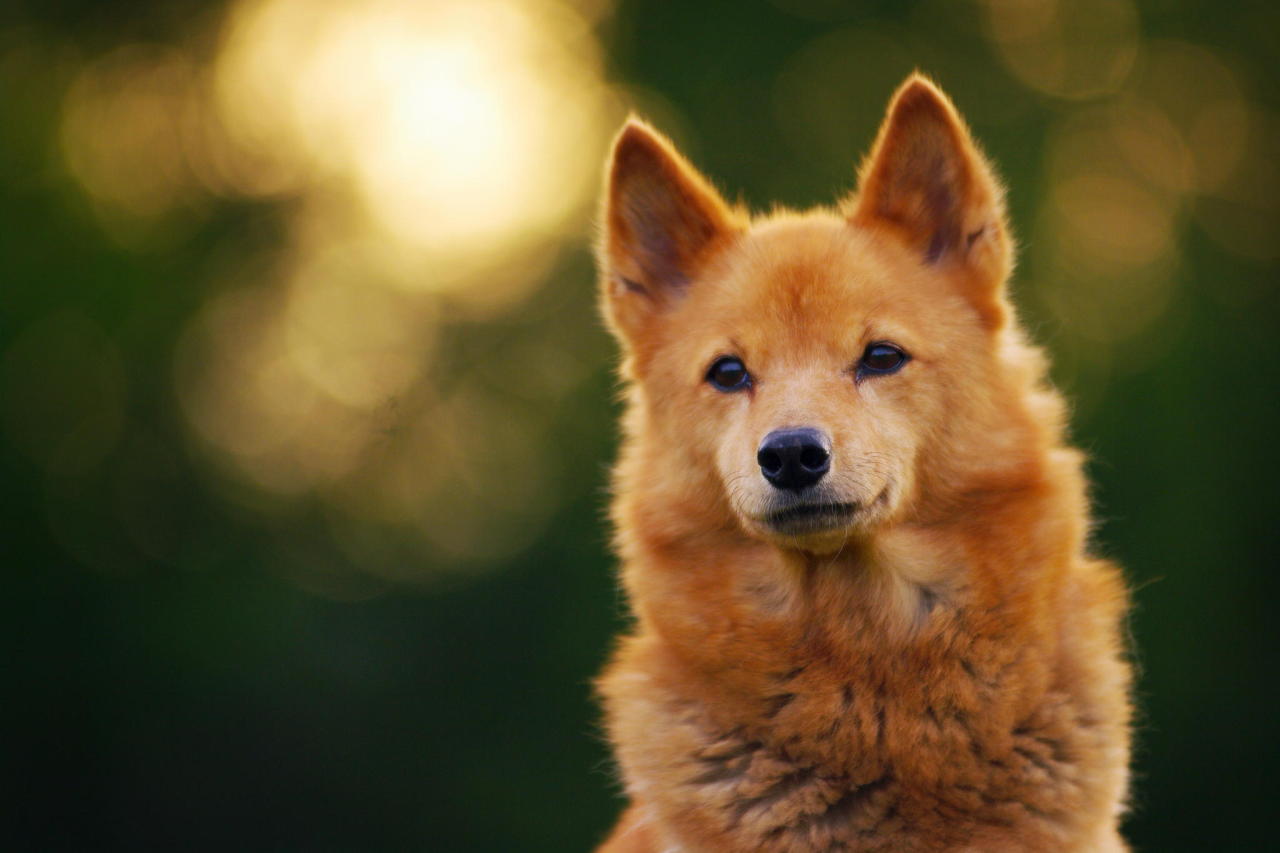
Here's the simple truth about Corgidor coats: there's no low-maintenance version. When both parent breeds -- the Pembroke Welsh Corgi and the Labrador Retriever -- have dense, weather-resistant double coats, every offspring inherits significant coat demands. Understanding exactly what you're working with helps you manage it effectively.
Parent Coat Profiles
Pembroke Welsh Corgi: A medium-length, weather-resistant double coat developed for outdoor herding in wet Welsh conditions. Dense undercoat with a longer, coarser outer coat. Surprisingly heavy shedding for a small-to-medium breed. Longer fur on the chest, ruff, and rear "pants."
Labrador Retriever: A short-to-medium, dense double coat designed for cold water retrieval. Thick undercoat with a water-resistant outer coat. Among the heaviest-shedding popular breeds. Even in length across the body with minimal feathering.
Key shared traits: Both have dense undercoats, both shed heavily, both have weather-resistant outer coats. Your Corgidor inherits certainty -- not variability.
Corgidor Coat Characteristics
Unlike many designer breeds where coat varies dramatically, Corgidors are remarkably consistent:
Every Corgidor Has
- A dense double coat
- Significant undercoat insulation
- Weather-resistant outer coat
- Moderate-to-heavy year-round shedding
- Seasonal blowouts (spring and fall)
Where They Vary
Length: Ranges from Lab-short (0.5-1 inch) to Corgi-medium (1-2 inches). Most fall between 0.75-1.5 inches.
Ruff/Pants: Some Corgidors develop the Corgi's pronounced chest ruff and rear feathering. Others stay more uniform like a Lab. This is primarily aesthetic but affects maintenance in those areas.
Water resistance: Ranges from moderate (Corgi-dominant) to strong (Lab-dominant). All have some water repellency.
Undercoat thickness: Ranges from "thick" to "very thick." Neither parent contributes a thin undercoat gene -- the question is just how dense yours lands.
The Shedding Cycle: A Comprehensive View
Phase 1 -- Baseline (Year-Round) Daily moderate shedding. Hair on furniture, clothing, floors. This is the permanent normal. You'll find hair every day without exception.
Phase 2 -- Pre-Blowout (1-2 weeks before) Shedding increases noticeably. The undercoat starts loosening but hasn't released yet. Brushing starts pulling more volume.
Phase 3 -- Active Blowout (3-4 weeks, spring and fall) The undercoat releases in earnest. Clumps come out in handfuls. Daily brushing is essential. This is when professional deshedding provides the most value.
Phase 4 -- Post-Blowout (1-2 weeks after) Shedding decreases as the old undercoat is mostly replaced. The coat looks thinner temporarily (normal). New undercoat is growing in.
Total heavy shedding periods: approximately 8-12 weeks per year (spread across two blowouts). Moderate shedding: the other 40-44 weeks.
Body Shape and Coat Interaction
Many Corgidors inherit the Corgi's distinctive proportions -- long body, short legs. This affects coat care:
Belly contact: Short legs + dense belly coat = constant ground contact. The belly area gets dirty faster, stays damp longer, and mats more easily than any other body area.
Rear maintenance: The thick "pants" and tail area inherited from the Corgi need regular hygiene maintenance. Fecal matter and moisture can trap in this area.
Chest ruff: If present, this area collects moisture during rain and after drinking. It should be checked and brushed regularly to prevent matting.
Paw hair: Dense fur between paw pads (from both parents) collects debris, ice, and mud. Regular trimming keeps paws clean and prevents slipping.
Color Patterns
Corgidors display appealing color diversity:
- Black (most common, from Lab dominant genes)
- Yellow/golden (Lab influence)
- Chocolate (Lab)
- Red/sable (Corgi influence)
- Tricolor (Corgi pattern: black, tan, white)
- Black with tan points
- Fawn
- White markings on chest and paws (Corgi blaze pattern)
Maintenance Guide
Daily Routine (10-15 minutes)
Weekly Deep Session (20-30 minutes)
During Blowout Season (15-20 minutes daily)
Essential Tools
| Tool | Use | Priority | |------|-----|----------| | Undercoat rake | Dead undercoat removal | Essential | | Slicker brush | Surface detangling, debris removal | Essential | | Steel comb | Mat detection, thoroughness check | Essential | | Rubber curry brush | Loosening, stimulating | Highly recommended | | Grooming wipes | Daily belly/paw cleanup | Recommended | | Short-coat deshedding tool | Seasonal intensive removal | Recommended |
Common Mistakes
Underestimating the coat: "It's a short coat" -- no, it's a short but extremely dense coat. Plan accordingly.
Bathing too often: Over-bathing strips oils. Every 6-8 weeks maximum unless genuinely dirty.
Neglecting the underside: The belly and rear need MORE attention than the back due to ground contact.
Giving up during blowouts: The heavy shedding period passes. Consistent brushing during blowouts prevents matting that causes bigger problems.
Shaving out of frustration: It's tempting. Don't. The coat serves critical functions and may not recover properly.
Your Corgidor's coat is the predictable result of combining two working-breed double coats. Accept the shedding reality, maintain consistently, build on professional deshedding during blowouts, and your charming, compact companion will stay healthy and comfortable through all seasons.
---
Ready to streamline your grooming workflow? PawOps Board Manager helps salons track every Corgidor from check-in to pickup with real-time visibility. Start your free 30-day trial →
Related Reading: