Why Your Corgidor Needs Professional Grooming
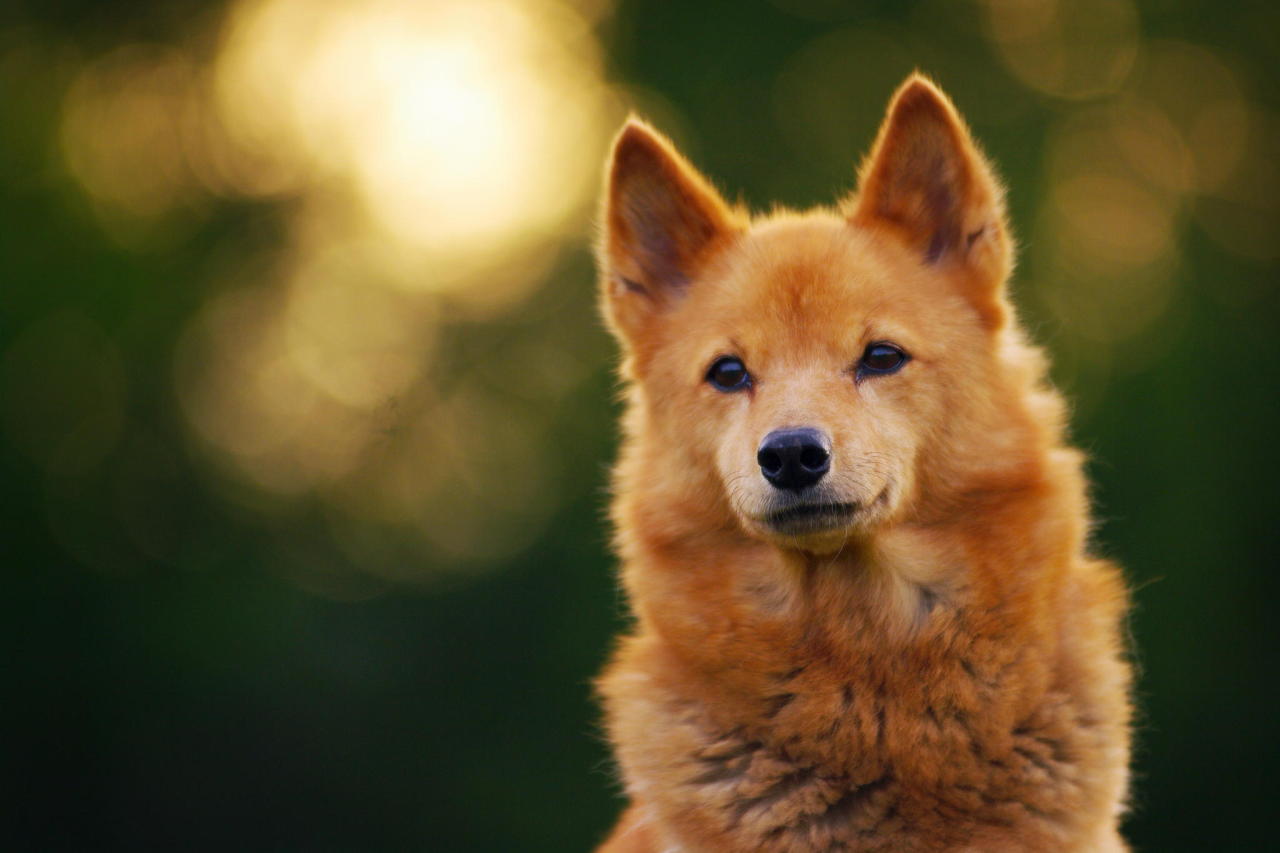
Your Corgidor -- the compact, energetic cross between a Pembroke Welsh Corgi and a Labrador Retriever -- carries one of the most predictably heavy coats in the designer breed world. Both parent breeds have dense, weather-resistant double coats. Both are notorious shedders. Your Corgidor inherited the full package.
Double the Double Coat
Here's what makes Corgidors a sure bet for heavy coats: unlike many designer crosses where one parent has a light coat, both the Corgi and the Lab have substantial double coats. There's no "light coat" possibility.
Every Corgidor has:
- A dense undercoat (the insulating layer)
- A weather-resistant outer coat
- Significant shedding year-round
- Dramatic seasonal blowouts
- The Lab's water-resistant properties mixed with the Corgi's weather-proofing
Why Professional Grooming Is Non-Negotiable
The undercoat volume problem: Both breeds contribute maximum undercoat density. Professional high-velocity drying literally blows the dead undercoat out of the coat -- removing 3-4 weeks' worth of shedding in 30 minutes. Nothing you own at home compares to this tool's effectiveness. According to the International Society of Canine Cosmetologists, high-velocity drying removes 60-80% more dead coat than brushing alone.
Low-clearance body challenges: If your Corgidor inherited the Corgi's short legs and long body (many do), their belly coat drags through everything -- wet grass, mud, puddles, debris. This belly area mats faster, stays damp longer, and develops skin issues more easily than the topcoat. Professional groomers address this thoroughly.
Ear health: Labradors are ear-infection champions thanks to floppy ears that trap moisture. Corgis have upright ears that self-ventilate. Your Corgidor may have semi-floppy or fully floppy ears -- and if so, professional ear cleaning prevents the chronic infections that plague Lab-eared dogs.
Coat impaction prevention: With this much undercoat density, dead coat that isn't removed becomes impacted against the skin. This blocks air circulation, traps heat, and creates an environment for bacterial and yeast growth. Professional deshedding prevents the impaction that causes skin problems.
The never-shave rule enforcement: Corgidors should never be shaved. A professional groomer knows this and will deshed, thin, and maintain without ever taking clippers to the coat. An uninformed groomer might suggest shaving -- which damages the double coat's structure and may cause permanent coat changes.
The Seasonal Blowout Reality
Corgidors experience intense coat blowouts in spring and fall. During these 3-4 week periods:
- Handfuls of undercoat come out with every touch
- Fur tumbleweeds form hourly
- Regular brushing barely keeps up
- The coat looks uneven and patchy
Recommended Grooming Schedule
- Full professional groom: Every 6-8 weeks
- During blowouts: Every 4-5 weeks or add 1-2 deshedding-focused visits
- Nail trims: Every 4-6 weeks
- Ear cleaning: Every visit (critical for floppy-eared Corgidors)
What to Expect at the Groomer
A Corgidor appointment typically includes:
Expect 1.5-2 hours for a thorough Corgidor groom. The coat density demands time.
Home Maintenance Between Visits
Professional grooming works best when paired with home maintenance:
- 10-15 minutes daily brushing with an undercoat rake
- Focus on belly, rear "pants," and behind ears
- Check for debris in the coat after outdoor activity
- Dry thoroughly after wet exposure (don't let the dense coat stay damp)
---
Ready to streamline your grooming workflow? PawOps Board Manager helps salons track every Corgidor from check-in to pickup with real-time visibility. Start your free 30-day trial →
Related Reading: