Why Your Corgipoo Needs Professional Grooming (Hint: That Coat Is Trickier Than You Think)
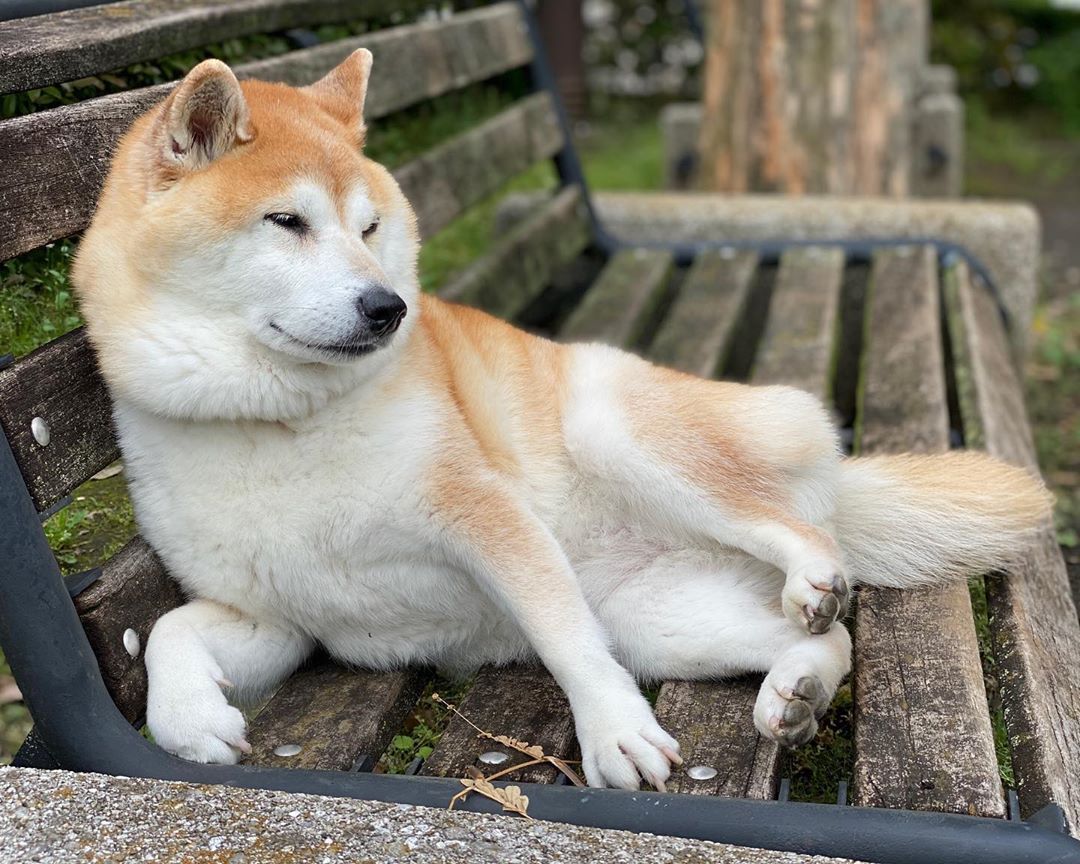
Why Your Corgipoo Needs Professional Grooming (Hint: That Coat Is Trickier Than You Think)
Corgipoos have one of the most unpredictable coats in the designer breed world. When you cross a Pembroke Welsh Corgi -- a breed with a dense, weather-resistant double coat -- with a Poodle -- a breed with tight, continuously growing curls -- you get a puppy that could end up with just about anything. Some Corgipoos have wavy, medium-length fur. Others get a wiry outer layer with a plush undercoat. A few end up with something close to full Poodle curls sitting on top of Corgi-dense underlayers.
This is exactly why professional grooming is not optional for a Corgipoo. It is a health necessity.
The Corgipoo Coat Is a Genuine Wildcard
With purebred dogs, you know what you are getting. A Corgi sheds heavily twice a year and needs regular brushing but rarely needs haircuts. A Poodle barely sheds but requires consistent trimming and detangling. Your Corgipoo might do both, neither, or some confusing combination.
Here is the part that trips up most owners: even puppies from the same litter can have dramatically different coat types. One sibling might inherit the Corgi's straight, thick double coat that sheds like it is going out of style. Another might get the Poodle's curly, low-shedding hair that mats if you look at it wrong. Most Corgipoos land somewhere in between -- a wavy coat with moderate density that both sheds and tangles.
A professional groomer who works with doodle and designer breeds can assess your specific Corgipoo's coat and build a grooming plan around what actually grows on your dog, not what a breed description says it should be.
What Professional Grooming Actually Handles
Professional Corgipoo grooming goes well beyond a bath and a cute haircut. Here is what is really happening during that appointment:
Undercoat Management
If your Corgipoo inherited any degree of the Corgi's double coat -- and statistically, most do -- there is an undercoat that needs attention. Dead undercoat that is not removed traps heat, moisture, and debris against the skin. Professional groomers use high-velocity dryers and specialized rakes to clear this undercoat without damaging the topcoat. According to grooming industry surveys, approximately 65% of mixed-breed dogs with double coat traits arrive at salons with some level of undercoat buildup that the owner did not realize was there.
Mat Detection and Removal
Corgipoos with any wave or curl to their coat will mat, particularly behind the ears, in the armpits, around the collar area, and on the rear legs. Mats tighten over time and pull on the skin, causing discomfort and sometimes sores. A groomer catches these early, before they become a painful problem that requires shaving.
Skin Assessment
Corgipoos sit low to the ground, thanks to those Corgi legs. That means their belly and chest fur collects dirt, allergens, and moisture from grass and ground contact. Groomers check for hot spots, fungal irritation, and contact dermatitis that hides under the coat -- things you would never see at home without parting the fur section by section.
Nail and Paw Care
Corgis are prone to nail overgrowth because of their body proportions, and Corgipoos often inherit this tendency. Overgrown nails change gait mechanics and stress joints that are already dealing with a long-backed, short-legged body. Professional nail trimming or grinding keeps everything aligned.
Ear Maintenance
Poodle genetics can mean hair growth inside the ear canal. Corgi genetics can mean large, upright ears that collect debris. Either way, ear cleaning and hair management are part of keeping your Corgipoo infection-free.
What Happens When You Skip the Groomer
Let us be direct about this. Neglecting professional grooming does real harm to a Corgipoo:
- Matting becomes chronic. Once a mat starts, it does not resolve itself. It tightens, collects more hair, and eventually sits directly against the skin like a wet felt pad. The only solution at that point is shaving, which exposes sensitive skin that was never meant to see daylight.
- Shedding gets worse, not better. Without proper undercoat removal, dead fur stays trapped and sheds chaotically throughout your home. Regular professional deshedding actually reduces the amount of fur you find on your couch.
- Skin problems escalate silently. Hot spots, yeast infections, and flea dermatitis all thrive under a neglected coat. By the time you notice your Corgipoo scratching constantly, the problem has been brewing for weeks.
- Nails cause structural damage. The ASPCA identifies untrimmed nails as one of the most common sources of foot and leg pain in small to medium breeds. For a low-rider body like the Corgipoo, this is amplified.
How Often Does a Corgipoo Need Professional Grooming
The answer depends on which coat type your Corgipoo inherited:
| Coat Type | Grooming Frequency | Between-Visit Brushing | |-----------|-------------------|------------------------| | Mostly Corgi (straight, dense, double coat) | Every 6-8 weeks | 2-3 times per week, more during shedding season | | Mixed (wavy, moderate density) | Every 5-6 weeks | 3-4 times per week | | Mostly Poodle (curly, low-shedding) | Every 4-6 weeks | Daily or every other day |
If you are not sure which category your dog falls into, ask your groomer during the first visit. They will tell you honestly -- it is literally what they do.
A Surprising Fact About Corgipoo Coats
Here is something most Corgipoo owners do not expect: the coat can change significantly as your puppy matures. A Corgipoo puppy might start with soft, wavy fur that seems easy to manage, then develop a denser, more textured adult coat between eight months and two years old. This is called a coat transition, and it happens in many Poodle-mix breeds. During this transition period, the old puppy coat and the incoming adult coat tangle together at an alarming rate. If your Corgipoo is between six months and eighteen months old and suddenly matting like crazy, this is probably why -- and it is the single most important time to stay on a regular grooming schedule.
Choosing the Right Groomer for Your Corgipoo
Not every groomer has experience with designer breed coats, and that experience matters. Look for a groomer who:
- Has worked with Poodle mixes and understands variable coat textures
- Uses condition-based assessment rather than flat breed pricing
- Can explain your dog's specific coat type and recommend a maintenance plan
- Is willing to show you how to brush effectively between visits
The Real Cost of Not Grooming
Professional grooming for a Corgipoo is an investment in your dog's comfort and health. Skipping it does not save money -- it shifts the cost to veterinary bills for skin infections, nail injuries, and ear problems that a groomer would have caught or prevented. Your Corgipoo deserves a groomer who understands their unique coat, and you deserve the peace of mind that comes with knowing someone is actually looking at the skin, ears, nails, and coat health beneath all that adorable fluff.
PawOps helps grooming salons assess and price mixed-breed coats accurately using condition scoring and coat type analysis -- so your Corgipoo gets the right amount of time and attention every visit.