Understanding Your Dachshund's Coat: What Every Owner Should Know
Understanding Your Dachshund's Coat: What Every Owner Should Know
The dachshund coat story is really three stories. Smooth, longhaired, and wirehaired Dachshunds look like different breeds, and when it comes to coat care, they essentially are. Understanding your specific variety's coat is the foundation of proper care — and the key to productive conversations with your groomer.
The Three Varieties Explained
Smooth Coat
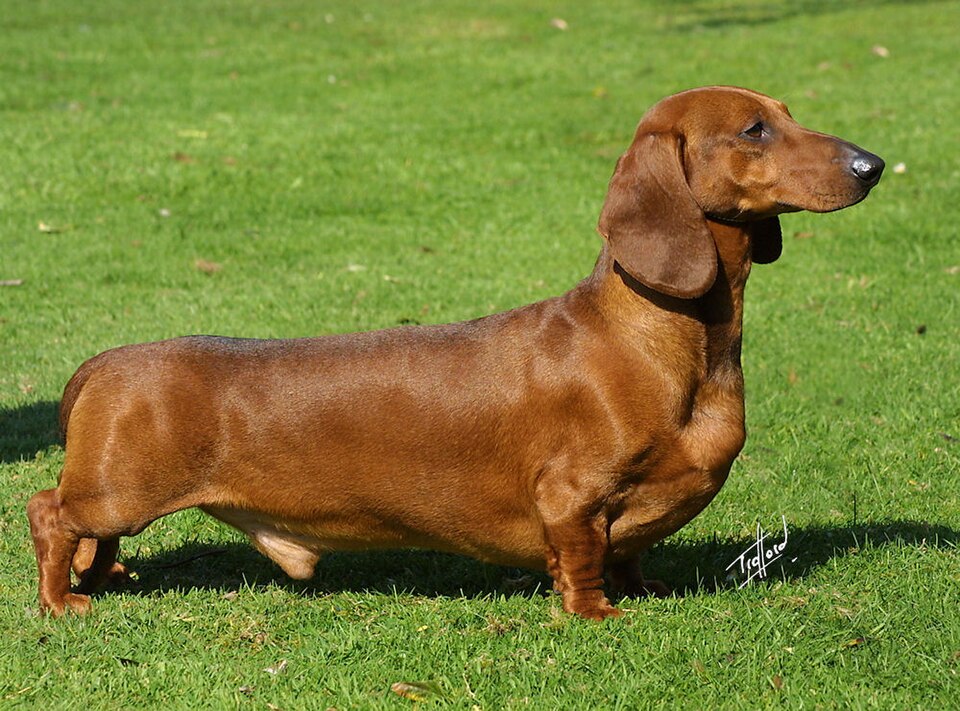
Structure: Short, dense, shiny single coat lying close to the body. No undercoat in most smooth Dachshunds, though some develop a light one.
Texture: Sleek and firm. When you run your hand over a smooth Dachshund, the coat feels like satin.
Shedding: Moderate year-round with slight seasonal increases. The short hairs are surprisingly stubborn on furniture and clothing — like French Bulldogs, they embed in fabric rather than sitting on the surface.
Colors and patterns: Smooth Dachshunds come in the widest color range — red, cream, black and tan, chocolate and tan, dapple, brindle, piebald, and more. Color doesn't affect grooming needs.
Longhaired Coat
Structure: Soft, slightly wavy to straight hair with feathering on the ears, chest, underside, legs, and tail. Most longhaired Dachshunds have a light undercoat.
Texture: Silky and flowing. The hair is fine — finer than Golden Retriever feathering but coarser than Yorkie silk.
Shedding: Moderate. The undercoat sheds seasonally, but the overall volume is less dramatic than double-coated breeds.
The origin story: The longhaired variety was likely developed by crossing Dachshunds with spaniels. This explains the soft, flowing coat and the slightly calmer temperament many longhaired Dachshunds display.
Wirehaired Coat
Structure: Double coat — rough, bristly outer coat with a dense, softer undercoat. Distinctive bushy eyebrows, prominent beard, and wiry body hair.
Texture: The outer coat should feel rough and hard — like a terrier's. When properly maintained, it has a broken, textured appearance.
Shedding: Minimal when properly hand-stripped. The dead coat stays in the follicle until plucked. Clipped wirehaired Dachshunds shed more because clipping doesn't remove the dead hair from the follicle.
The origin story: Wirehaired Dachshunds were developed by crossing with terrier breeds and possibly Schnauzers. The wire coat provided protection from thorny underbrush during hunting.
A surprising fact: all three coat types can appear in the same litter if both parents carry genes for different varieties. A longhaired Dachshund bred to a wirehaired can produce smooth puppies if both carry the smooth gene recessively.
Coat-Specific Care Guides
Caring for a Smooth Coat
Tools: Rubber curry brush or grooming mitt, soft bristle brush, chamois cloth for finishing shine.
Routine:
- Brush once or twice weekly with the rubber curry to loosen dead hair
- Follow with the bristle brush to distribute oils
- Wipe with a damp chamois for extra shine
- Bathe every 6-8 weeks or as needed
Caring for a Longhaired Coat
Tools: Pin brush, slicker brush (for tangles), fine-tooth comb, detangling spray.
Routine:
- Brush every 1-2 days, focusing on feathering areas
- Spray with detangler before brushing to prevent breakage
- Use the slicker brush on forming tangles, working from tips to roots
- Comb through after brushing to verify mat-free
- Pay extra attention behind the ears — this is where longhaired Dachshunds mat first
Caring for a Wirehaired Coat
Tools: Stripping knife (for at-home maintenance), slicker brush, metal comb, beard wipes.
Routine:
- Brush weekly with the slicker brush to prevent undercoat tangles
- Clean the beard after meals (food gets trapped in the wire hair)
- Between professional hand-stripping sessions, use the stripping knife to pull obviously loose dead coat
- Check eyebrows and beard for debris regularly
The Low Rider Problem
All Dachshund coat types deal with a shared challenge: proximity to the ground.
That long, low body means:
More ground contact: The chest, belly, and undercarriage contact grass, pavement, and soil constantly. This increases exposure to allergens, chemicals (lawn treatments), and physical irritants.
Moisture retention: Low-riding Dachshunds walk through dew, puddles, and wet grass. Moisture sits against the belly and chest longer than it does on a dog with ground clearance.
Temperature transfer: In summer, hot pavement radiates heat directly onto the Dachshund's underside. In winter, cold and dampness affect them from below.
For grooming purposes, this means paying extra attention to the underside during bathing and inspection. Ask your groomer to check the belly and chest skin carefully.
What to Ask Your Groomer
Between-Visit Essentials
All varieties: Check the belly for irritation after walks in treated grass. Wipe paws and underside after wet weather. Trim nails every 3-4 weeks — low-riding bodies don't wear nails down naturally.
Longhaired: Quick brush-through of feathering every evening. Two minutes of daily brushing prevents 20 minutes of dematting.
Wirehaired: Wipe the beard after every meal. A dry beard is a clean beard.
Your Dachshund's coat type shapes their entire grooming reality. Understanding which variety you have — and what it needs — is the first step to coat care that keeps your dog healthy, comfortable, and looking their best at their unique height.
---
Ready to streamline your grooming workflow? PawOps Board Manager helps salons track every Dachshund from check-in to pickup with real-time visibility. Start your free 30-day trial →
Related Reading: