Understanding Your Doberman Pinscher's Coat: What Makes It Unique
Understanding Your Doberman Pinscher's Coat: What Makes It Unique
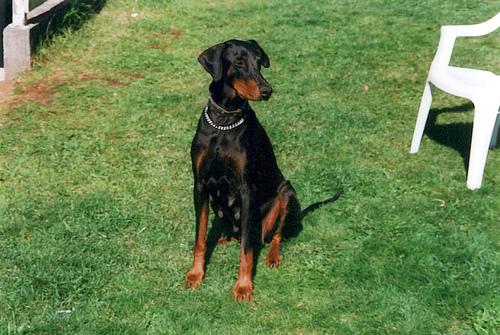
The Doberman Pinscher coat is a study in elegant simplicity. Short, smooth, close-fitting, and absolutely gorgeous when it catches the light just right. But that sleek exterior hides some complexities that every Doberman owner needs to understand -- especially when it comes to skin health and coat color genetics.
Let's dig into what makes your Dobie's coat tick.
Doberman Pinscher Coat Structure: What You're Working With
Unlike many large breeds, the Doberman has what's classified as a single coat -- though some individuals do have a sparse, fine undercoat, particularly on the neck and chest. The primary coat consists of:
- Short guard hairs: Typically 1-1.5 inches in length
- Close-lying structure: Hairs lay flat against the body, giving that polished, muscular appearance
- Smooth texture: Fine to medium hair shaft thickness
- Natural sheen: Healthy Doberman coats have a distinctive gleam from natural oils
Here's something that catches most owners off guard -- Dobermans have thinner skin than the vast majority of dog breeds. Their skin is roughly 30% thinner than breeds like Labrador Retrievers. This means everything from sun exposure to chemical irritants affects them more quickly and more intensely.
The Four Doberman Coat Colors (and Why They Matter for Care)
Doberman Pinscher coats come in four recognized colors, and the color your dog wears actually affects their grooming and health needs:
Black and Rust (Most Common)
The classic Doberman look. Deep black base with sharply defined rust markings above the eyes, on the muzzle, throat, chest, legs, and below the tail. This color has the most robust coat structure and typically the fewest skin issues.Red and Rust
A rich brown base with lighter rust markings. Red Dobermans sometimes have slightly softer coat texture than their black counterparts. Skin sensitivity can be marginally higher.Blue and Rust
A diluted version of black, appearing as a steel gray-blue. This is where coat concerns get serious. Blue Dobermans are significantly more prone to color dilution alopecia (CDA), a genetic condition that causes hair thinning, hair loss, and chronic skin infections.Fawn (Isabella) and Rust
A diluted version of red, appearing as a light tan or gold. Fawn Dobermans share the same CDA risks as blues -- arguably even more so. Studies suggest that up to 90% of blue and fawn Dobermans will develop some degree of CDA during their lifetime.Color Dilution Alopecia: The Doberman's Coat Challenge
CDA deserves its own section because it's the single most important coat issue Doberman owners face, particularly those with blue or fawn dogs.
What it is: A genetic condition where the melanin (pigment) in hair shafts is distributed in clumps rather than evenly. This weakens the hair structure, causing breakage, thinning, and eventual loss.
What it looks like:
- Gradual hair thinning, usually starting on the back and spreading
- Dry, flaky skin in affected areas
- Recurring bacterial skin infections (folliculitis)
- A moth-eaten or patchy appearance to the coat
- Gentle, moisturizing shampoos (no harsh detergents)
- Regular professional grooming to keep skin clean and monitored
- Omega fatty acid supplements
- Prescription treatments from your vet for flare-ups
- Sun protection (yes, dog-safe sunscreen exists)
Shedding: What to Actually Expect
Dobermans shed. Not as dramatically as double-coated breeds, but those short hairs get everywhere -- and they have a special talent for embedding themselves in furniture fabric and clothing. Think of them as tiny needles rather than fluffy tumbleweeds.
Shedding patterns:
- Moderate year-round shedding: Short hairs release consistently
- Mild seasonal increase: Spring and fall bring slightly heavier shedding, but nothing compared to breeds like Huskies
- Stress shedding: Dobermans are emotionally intelligent dogs, and stress can trigger increased hair loss
Skin Care: Your Doberman's Biggest Need
With the Doberman Pinscher coat being so thin, skin health is really where your attention should focus. Common skin concerns include:
Allergies: Environmental and food allergies are common in the breed. Symptoms show up as itching, redness, hot spots, and recurring ear infections. Work with your vet on identifying triggers and with your groomer on using hypoallergenic products.
Acne: Dobermans, especially younger dogs, commonly develop chin acne -- red bumps or pustules on the chin and lower lip area. Keeping the area clean and using benzoyl peroxide washes (vet-recommended) helps manage it.
Dry skin: The breed is prone to dry, flaky skin, especially in low-humidity environments and during winter months. Conditioning treatments during grooming and fish oil supplements help enormously.
Sunburn: That thin coat means UV rays reach the skin more easily. Light-colored Dobermans (blue and fawn) are particularly vulnerable. Limit sun exposure during peak hours and consider dog-safe sunscreen for extended outdoor time.
Nutrition and the Doberman Pinscher Coat
Diet has an outsized impact on Doberman coat quality because their thin coat shows nutritional deficiencies faster than thicker-coated breeds. Focus on:
- High-quality animal protein: Supports keratin production for strong hair growth
- Omega-3 fatty acids: Fish oil or salmon oil reduces skin inflammation and adds coat luster
- Zinc: Critical for skin cell turnover; some Dobermans benefit from zinc supplements
- Vitamin E: Acts as an antioxidant for skin health
- Biotin: Supports hair follicle strength
Seasonal Coat Care Guide
| Season | Key Concern | Action | |--------|-------------|--------| | Spring | Increased shedding | Step up brushing to 2-3x weekly, professional deshedding | | Summer | Sun exposure, heat | Limit peak-sun time, keep coat clean, hydrate skin | | Fall | Coat transition | Continue regular brushing, check for dry patches | | Winter | Dry skin, cold sensitivity | Add conditioning treatments, consider a dog coat for outdoor time |
One more thing that surprises people: Dobermans get cold. Really cold. That thin single coat provides minimal insulation. In temperatures below 45 degrees Fahrenheit, most Dobermans benefit from a coat or sweater during walks. This isn't fashion -- it's practical breed-appropriate care.
Working With Your Groomer on Doberman Coat Health
Your groomer is a frontline health partner for your Doberman. Every visit should include:
- Full skin inspection noting any changes since last visit
- Documentation of any lumps, bumps, or suspicious areas
- Product choices appropriate for your specific dog's skin sensitivity
- Recommendations on home care between visits
Your Doberman's coat may be short, but it tells a long story about their health. Pay attention to it, and it'll tell you everything you need to know.
FAQ
Do Doberman Pinschers shed a lot?
Dobermans shed moderately year-round. Their short hairs tend to embed in furniture and clothing. Regular brushing with a rubber mitt and consistent grooming keeps shedding manageable.Why is my Doberman losing hair on their back?
Patchy hair loss on the back is a hallmark sign of color dilution alopecia, especially in blue and fawn Dobermans. Consult your vet for diagnosis and treatment options, and work with a groomer experienced in managing this condition.Do Dobermans need sweaters in winter?
Many do. Their thin single coat provides minimal insulation. In temperatures below 45 degrees Fahrenheit, a coat or sweater during walks helps maintain body temperature, especially for lean, active dogs.What shampoo should I use on my Doberman?
Use a gentle, moisturizing, hypoallergenic shampoo formulated for sensitive skin. Avoid anything with harsh sulfates or strong fragrances. Oatmeal-based formulas work well for most Dobermans. If your dog has specific skin conditions, ask your vet for medicated options.Why does my Doberman have pimples on their chin?
Doberman chin acne is common, especially in dogs under two years old. It's caused by bacteria getting into hair follicles. Keep the area clean, avoid plastic food and water bowls (which harbor bacteria), and ask your vet about benzoyl peroxide washes if it persists.---
Ready to streamline your grooming workflow? PawOps Board Manager helps salons track every Doberman Pinscher from check-in to pickup with real-time visibility. Start your free 30-day trial →