Understanding Your Dogo Argentino's Coat: What Every Owner Should Know
Understanding Your Dogo Argentino's Coat: What Every Owner Should Know
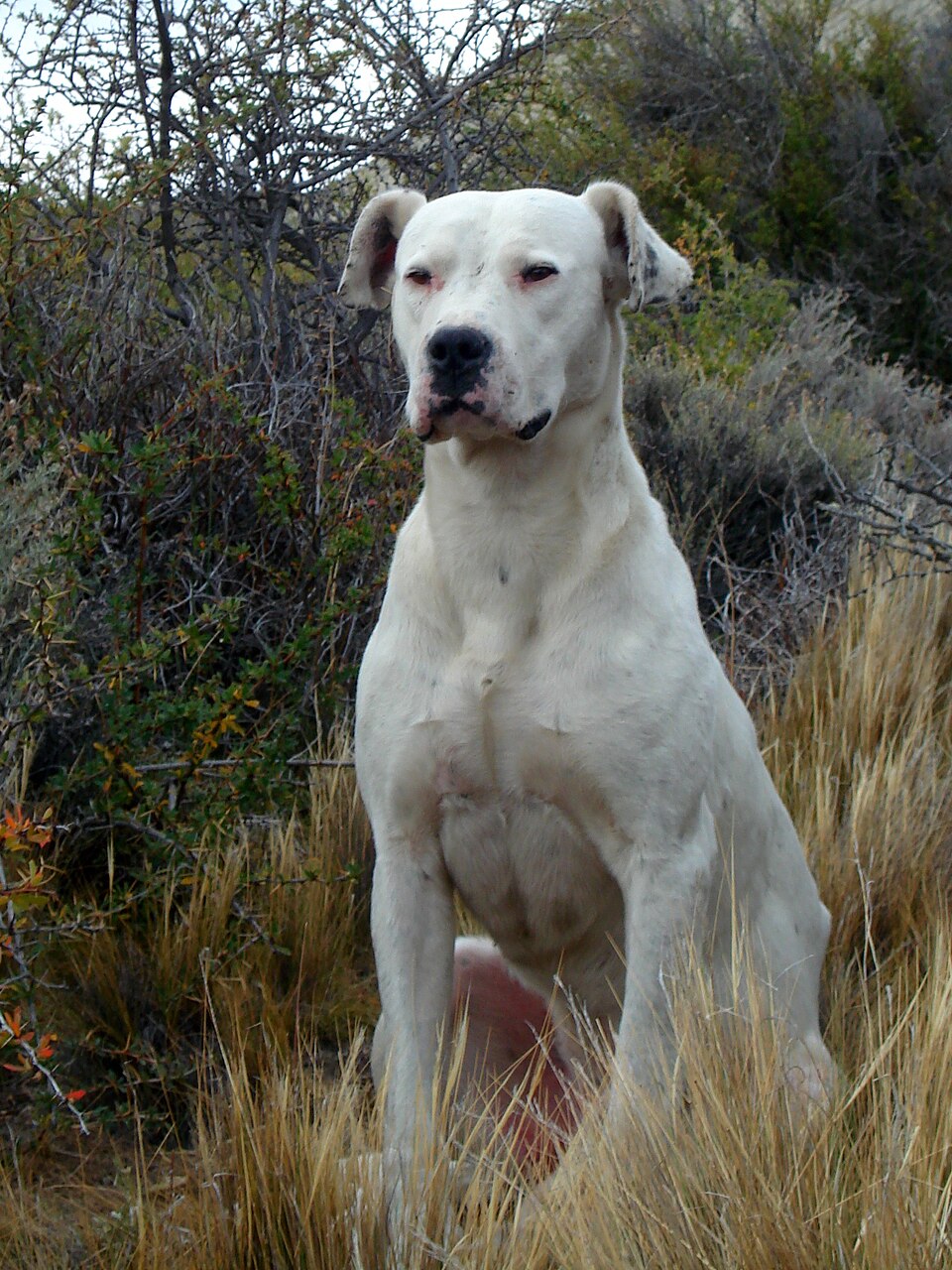
The Dogo Argentino's white coat is not an accident of breeding -- it is a deliberate, functional design decision. When Dr. Antonio Nores Martinez created the breed in the 1920s from a foundation of the Fighting Dog of Cordoba crossed with ten other breeds (including Great Dane, Boxer, Bull Terrier, and Pointer), he specifically selected for white because hunters needed to distinguish their dogs from the wild boar and puma they were pursuing.
That white coat tells the story of the breed's purpose -- and understanding it changes how you care for it.
Why White: The Hunter's Logic
The Dogo was created as a pack hunting dog for dangerous game in the Argentine pampas and mountains. During hunts:
- Multiple dogs worked together to corner or bay large prey
- Hunters needed to instantly identify dogs versus prey in chaotic conditions
- A white dog stands out against green brush, brown earth, and dark-colored game
- Shooting a white dog by mistake is virtually impossible in any terrain
Coat Structure
Single Coat
The Dogo Argentino has a short, single coat:
- Type: Guard hair only, with minimal to no undercoat
- Length: 0.5-1 inch uniformly across the body
- Texture: Smooth but slightly thick. Individual hairs are thicker than breeds like Whippets or Italian Greyhounds, providing some physical protection during hunts
- Density: Moderate. The coat is dense enough to feel substantial when petting but thin enough that skin is visible through the coat in many areas
- Variation: Dogs in cooler climates may develop a slight undercoat. Dogs in warm climates (the breed's native Argentina) typically have pure single coat
Skin
Because the coat provides limited coverage, the skin is functionally exposed:
- Pigmentation: Variable. Preferably dark-pigmented (melanin provides UV protection), but many Dogos have significant pink-skinned areas
- Thickness: Moderate to thick. Provides some physical protection
- Oil production: Normal. The coat has a natural sheen without excessive oiliness
- Sensitivity: The breed is predisposed to skin sensitivity, including allergies and demodex
The Eye Patch
The breed standard allows a single dark patch (black or brindle) near one eye, covering no more than 10% of the head. This patch:
- Is a remnant of the breed's colored ancestors
- Has no effect on coat care or skin health
- Provides slightly better UV protection in the patched area
- Is considered acceptable but not required by most breed standards
Shedding: More Than You Think
The Dogo Argentino's shedding often surprises new owners:
Year-round shedding: Continuous. Short hairs shed every day, all year. There is no "low-shed" season for this breed.
Hair characteristics:
- Short (0.5-1 inch) and thick
- White, making them visible on every surface except white
- The tip of each hair is blunt and slightly rigid, causing hairs to embed in fabric like tiny needles
- Standard lint rollers are minimally effective -- rubber-based tools work better
Management: Rubber curry brushing 2-3 times weekly removes the majority of loose hair before it reaches your furniture. Professional high-velocity blow-drying during grooming sessions removes significantly more loose coat than home tools.
Sun and Skin: The White Coat Challenge
The Dogo Argentino's white coat and often lightly-pigmented skin create real sun exposure concerns:
UV vulnerability: White coat reflects some UV radiation but provides less protection than pigmented coat. Pink-skinned areas receive essentially no natural protection.
High-risk areas:
- Nose (especially pink noses)
- Ear tips and edges
- Belly (thin coat, often pink skin)
- Around the eyes
- Any area where coat is thin or skin is exposed
Prevention: Pet-safe sunscreen (SPF 30+) applied to vulnerable areas before sun exposure. Limit midday sun during peak UV hours. Provide shade access.
Skin Health: Breed-Specific Concerns
The Dogo Argentino has several documented skin predispositions:
Demodex (Demodectic mange): The breed shows elevated rates compared to all-breed averages. Demodex mites are normal skin fauna that can proliferate when the immune system is compromised. In Dogos, juvenile demodex (occurring in dogs under 18 months) is particularly common. Signs: localized hair loss patches, redness, and scaling.
Allergies: Environmental (atopic dermatitis) and food allergies are reported at above-average rates. Manifest as: itching, redness, hot spots, recurring ear infections, and paw licking.
Zinc-responsive dermatosis: Some Dogos respond to zinc supplementation for skin health, suggesting marginal zinc absorption. Signs: crusty, scaly patches on nose, ears, and paw pads.
Histiocytoma: Benign skin tumors that appear as raised, red bumps. Common in young Dogos (under 3 years). Usually self-resolving but should be evaluated by a veterinarian.
Regular professional grooming provides the systematic skin monitoring that catches these issues early, when treatment is most effective and least expensive.
Temperature Management
Heat: The Dogo handles warm weather reasonably well. The short, white coat reflects solar radiation. The single-coat structure allows efficient heat dissipation through the skin. However, intense exercise in high heat stresses any large breed.
Cold: The thin single coat provides minimal cold insulation. Dogos in cold climates benefit from:
- Coats or jackets below 40 degrees Fahrenheit
- Limited outdoor exposure in extreme cold
- Warm indoor sleeping areas
- Avoiding wet conditions in cold weather
Home Maintenance
3 times weekly (5 minutes):
- Rubber curry brush over entire body
- Quick skin scan for any changes
- Face wipe for tear stains
- Ear check and cleaning if needed
- Paw inspection
- Bath (home or professional)
- Nail trim
- Thorough skin evaluation
- Rubber curry brush ($10)
- Bristle brush ($12)
- Pet facial wipes ($8-$12)
- Pet sunscreen ($12-$18)
The White Standard
Your Dogo Argentino's white coat is a purposeful creation -- a hunter's tool designed for visibility and function. Understanding that the coat is thin, the skin is exposed, and the breed carries specific dermatological predispositions transforms grooming from a cosmetic activity into a health practice. That brilliant white is not just beautiful -- it is a responsibility. Maintain it with the same intentionality Dr. Nores Martinez brought to creating it.
---
Ready to streamline your grooming workflow? PawOps Board Manager helps salons track every Dogo Argentino from check-in to pickup with real-time visibility. Start your free 30-day trial →
Related Reading: