Understanding Your Dutch Shepherd's Coat: Three Varieties, One Incredible Breed
Understanding Your Dutch Shepherd's Coat: Three Varieties, One Incredible Breed
The Dutch Shepherd is one of the few breeds in the world that comes in three officially recognized coat types: short-haired, long-haired, and wire-haired. Each variety has a different texture, different shedding pattern, and different care requirements. Understanding which coat your Dutchie has -- and what it was designed to do -- is the foundation of keeping them comfortable and healthy.
A Coat Built for Work
Before we get into the specifics of each variety, it helps to understand why the Dutch Shepherd's coat exists in the first place. These dogs were developed in the rural Netherlands as all-purpose farm dogs. They herded sheep, guarded property, pulled carts, and kept vermin out of chicken coops. The Dutch climate is wet, windy, and ranges from cold winters to moderate summers. The Dutch Shepherd's coat evolved to handle all of it.
Every coat variety includes some level of weather protection. The undercoat insulates against cold and wet conditions. The outer coat repels water and debris. Even the brindle pattern -- the breed's signature -- served a purpose: it provided camouflage in the Dutch countryside. This is a functional coat, not a decorative one.
The Three Coat Types in Detail
Short-Haired Dutch Shepherd
This is the most common variety and the one most people picture when they hear "Dutch Shepherd."
Structure: A close-fitting outer coat of hard, somewhat coarse hair sits over a dense, woolly undercoat. The overall length is short to medium, lying flat against the body. There is slightly more hair on the ruff (neck area), breeching (back of thighs), and tail.
Texture: Firm and slightly harsh to the touch. Not silky, not fluffy. The harshness is intentional -- it helps the coat shed water and resist debris.
Shedding pattern: Year-round moderate shedding with two heavy blowouts during spring and fall. During coat blows, the undercoat comes out in clumps. The Dutch Shepherd Club of America notes that seasonal shedding in this variety can last three to six weeks, during which daily brushing is recommended.
Color and pattern: Always brindle -- gold or silver with darker striping. The brindle should be clearly visible through the coat.
Common issues: Undercoat compaction if not properly deshed. The tight-fitting coat traps dead undercoat against the skin, which can cause itching and hot spots. Many owners assume short coat means no grooming needed, which is categorically wrong.
Long-Haired Dutch Shepherd
The least common variety, with a distinctly different look and feel.
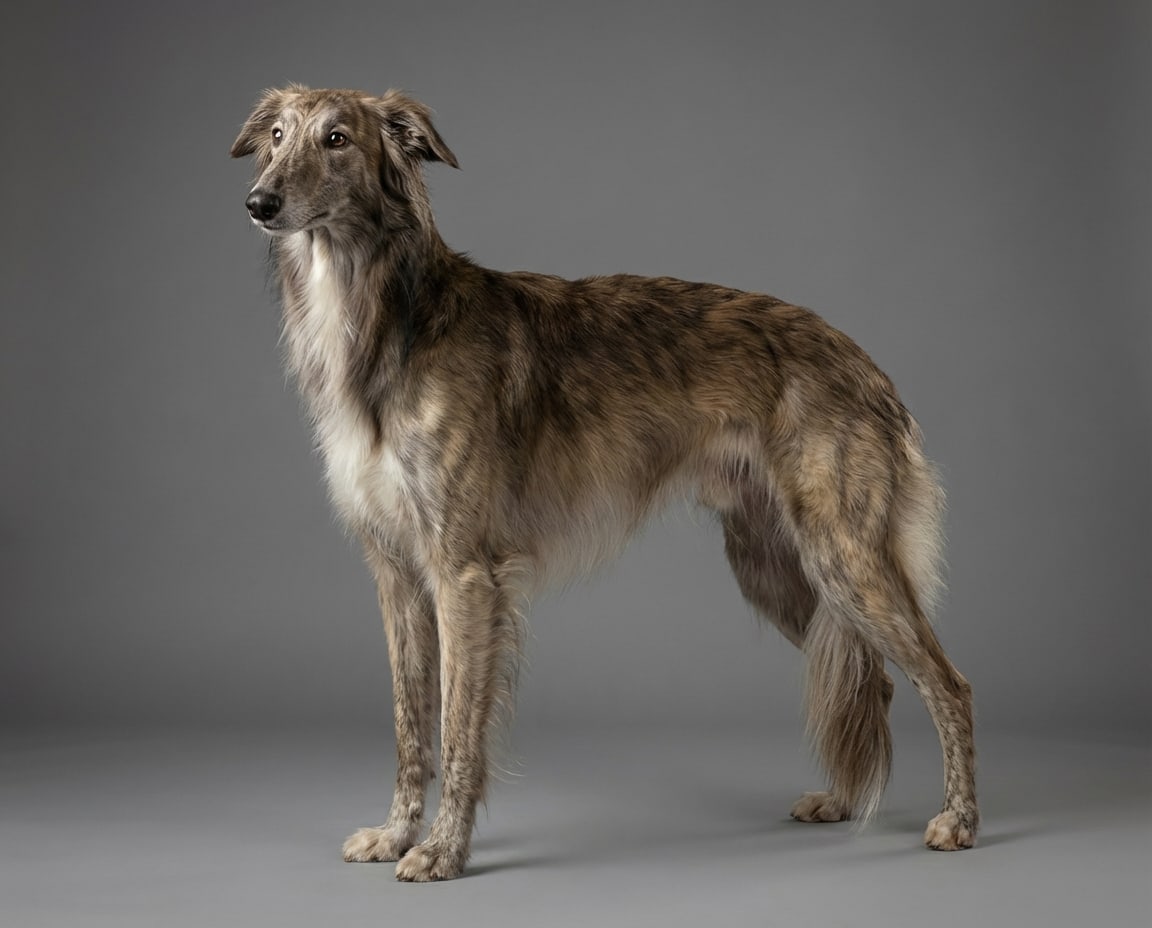
Structure: A long, straight, flat-lying outer coat with feathering on the ears, front and rear legs, chest, and tail. Underneath is the same dense undercoat as the short-haired variety. The coat should not be curly or wavy -- breed standard calls for straight hair.
Texture: Slightly softer than the short-haired variety but still firm. The feathering tends to be finer in texture and tangles more easily.
Shedding pattern: Similar to the short-haired variety in terms of seasonal blowouts, but the longer hair makes shedding more visible. Loose hair catches in the feathering rather than falling off, which is why this variety mats more readily.
Color and pattern: Brindle, like all Dutch Shepherds. The longer coat can sometimes make the brindle pattern appear less defined.
Common issues: Matting in feathered areas, particularly behind the ears, in the armpits, and on the rear legs. The combination of long feathering over dense undercoat creates perfect conditions for tangles. This variety needs significantly more brushing than the short-haired type.
Wire-Haired Dutch Shepherd
The most distinctive and most grooming-intensive variety.
Structure: A harsh, tousled outer coat of medium length with a dense undercoat. The coat forms a distinct beard, mustache, and eyebrows that give the face a characterful, almost scruffy expression. The body coat has a slightly longer outer layer that stands off from the body rather than lying flat.
Texture: Wiry, harsh, and almost bristly. This texture is what makes the coat weather-resistant and self-cleaning to a degree. Proper texture is maintained through hand-stripping rather than clipping.
Shedding pattern: Less visible shedding than the other varieties because the dead coat stays in the follicle until stripped out. Wire-haired dogs do not blow coat in the same dramatic fashion, but the dead hair needs to be removed manually.
Color and pattern: Brindle, sometimes appearing more muted due to the coat texture. Blue-gray tones are possible in wire-haired individuals.
Common issues: Coat texture loss if clipped rather than stripped. Clipping cuts the wire hair at mid-shaft, and the regrowth comes in softer and often lighter in color. Over time, repeated clipping can permanently change the coat texture. According to professional grooming associations, approximately 70% of wire-coated breed owners are unaware that clipping damages the coat's texture and function.
How Brindle Works
Every Dutch Shepherd, regardless of coat type, should be brindle. This is not just a color -- it is a pattern created by alternating bands of eumelanin (dark pigment) and phaeomelanin (gold/red pigment) on individual hair shafts. The base color ranges from light gold to dark brown, with darker striping overlaid.
Something most owners do not realize: brindle intensity can change with the seasons. Dutch Shepherds often appear darker in winter when the undercoat is thickest and lighter in summer after shedding. This is normal and does not indicate a health problem. It is simply the ratio of undercoat to guard hair shifting.
Climate and Your Dutch Shepherd's Coat
The Dutch Shepherd's coat is optimized for temperate European weather. If you live in a different climate, here is how it affects coat behavior:
- Hot, humid climates increase the risk of undercoat compaction and hot spots. The dense undercoat traps heat and moisture. More frequent deshedding and shorter grooming intervals help.
- Dry climates can cause brittle coat and static. A light conditioning spray between baths helps maintain coat health.
- Cold climates are where the coat works best. The insulating undercoat and weather-resistant outer coat are designed for exactly this. Just make sure to dry the dog thoroughly after wet outings to prevent skin issues under the coat.
Essential Coat Care Tools
What you need depends on your variety:
All varieties:
- Slicker brush for surface grooming
- Steel comb for checking for mats and tangles
- Undercoat rake for dead undercoat removal
- Pin brush for feathering
- Detangling spray
- Stripping knife or stripping stone
- Mars Coat King or similar for maintaining texture between strips
When to See a Professional
Beyond regular grooming appointments, get professional help if:
- Your Dutchie's coat feels packed or dense near the skin (undercoat compaction)
- You find mats in the feathering that you cannot work through
- Your wire-haired dog's coat feels soft rather than harsh
- You notice excessive scratching, flaking, or bare patches
- Your dog is going through a seasonal coat blow and you are overwhelmed
PawOps helps grooming salons assess coat type and condition accurately for breeds like the Dutch Shepherd, where a one-size-fits-all approach simply does not work. Condition scoring means your Dutchie gets the right service at the right price.