Why Your Dutch Shepherd Needs Professional Grooming (Yes, Even the Short-Haired Ones)
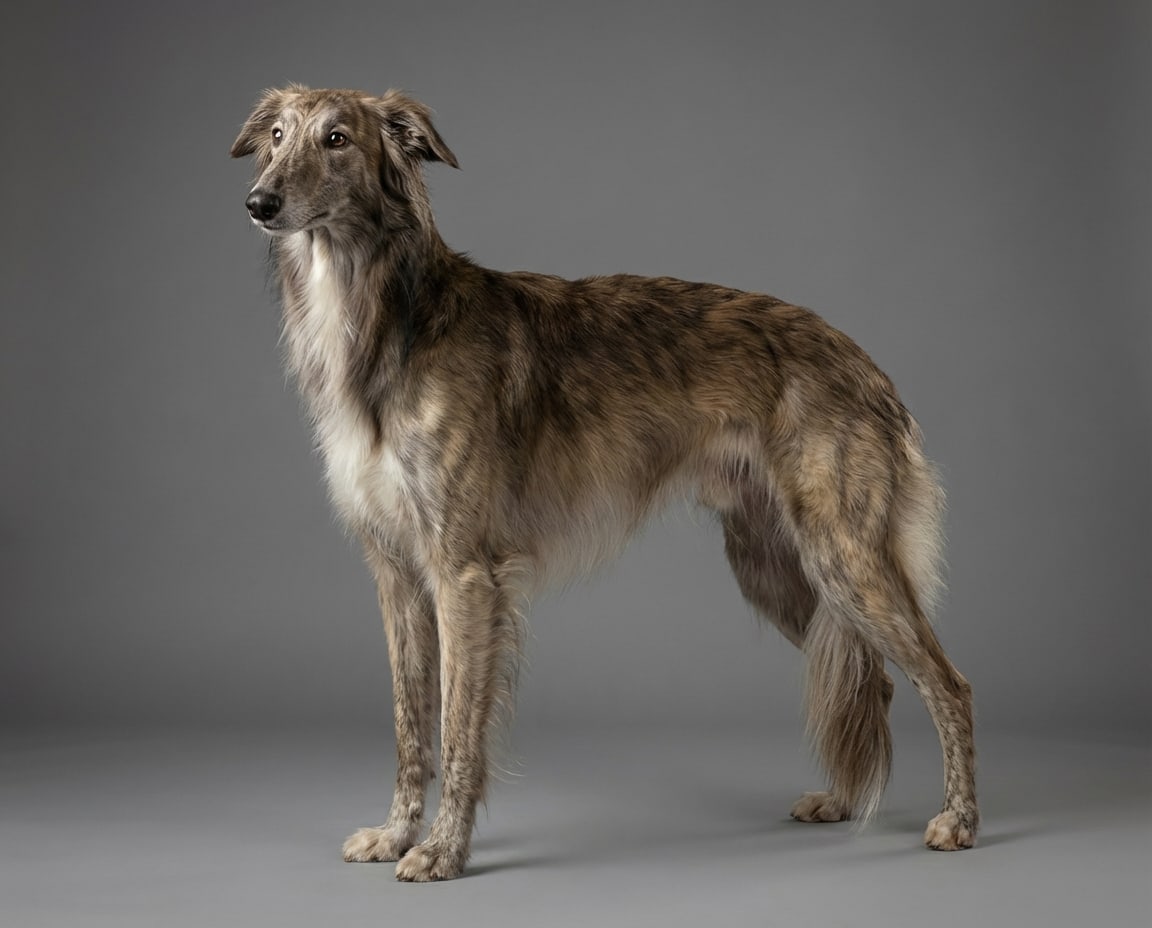
Why Your Dutch Shepherd Needs Professional Grooming (Yes, Even the Short-Haired Ones)
Dutch Shepherds are one of the most versatile working breeds on the planet. Originally bred in the Netherlands for herding, guarding, and general farm work, they have since earned reputations in police work, search and rescue, and competitive dog sports. They are athletic, intelligent, and built for action. What a lot of owners do not expect is that their grooming needs are just as demanding as their exercise requirements.
The catch with Dutch Shepherds is that they come in three distinct coat varieties -- short, long, and wire-haired -- and each one brings a completely different grooming challenge. Assuming your Dutchie is low-maintenance because they have a short coat is one of the most common mistakes owners make.
Three Coats, Three Grooming Realities
The Dutch Shepherd is one of the few breeds recognized in three coat types. This is not cosmetic variation. These are structurally different coats with different shedding patterns, different tool requirements, and different professional grooming needs.
Short-Haired Dutch Shepherd
The most common variety. The coat is close-fitting, hard in texture, with a dense woolly undercoat. It looks sleek and low-maintenance. It is not. That undercoat sheds relentlessly, particularly during seasonal coat blows in spring and fall. According to grooming industry data, double-coated herding breeds shed approximately 30% more during seasonal transitions than breeds without undercoats. Without professional deshedding, the dead undercoat traps heat, moisture, and skin irritants against the body.
Long-Haired Dutch Shepherd
Less common and significantly more grooming-intensive. The outer coat is long, straight, and somewhat harsh, with feathering on the ears, legs, chest, and tail. Underneath sits the same dense undercoat as the short-haired variety. This combination creates matting opportunities everywhere -- behind the ears, in the armpits, on the rear legs, and around the collar area.
Wire-Haired Dutch Shepherd
The rarest variety and arguably the most specialized grooming challenge. The coat is harsh, tousled, and forms a distinct beard and eyebrows. Wire-haired Dutch Shepherds require hand-stripping rather than clipping to maintain proper coat texture. Clipping a wire coat softens it over time and can change the color and weather-resistance permanently.
What Professional Grooming Actually Handles
Regardless of which coat type your Dutch Shepherd has, professional grooming addresses things you simply cannot do effectively at home.
Deep Undercoat Removal
All three Dutch Shepherd varieties have substantial undercoats. Professional groomers use high-velocity dryers that blast loose undercoat out in a way that no amount of home brushing can replicate. A proper deshedding session removes dead coat from the root rather than just pulling surface fur. Owners who skip this process end up with dogs that shed excessively indoors because the dead coat has nowhere to go.
Skin Health Assessment
Dutch Shepherds are active dogs. They run, swim, roll in things, and push through brush. All of this means their skin is exposed to irritants, allergens, and debris that hide under that dense coat. A groomer parts the fur section by section and checks for hot spots, fungal issues, ticks, and early signs of dermatitis. Most owners never see their dog's actual skin between grooming appointments.
Coat-Specific Maintenance
For short-haired Dutchies, professional grooming focuses on deshedding treatments, thorough bathing with coat-appropriate shampoo, nail trimming, and ear cleaning. For long-haired varieties, add detangling, feathering trims, and mat removal. For wire-haired dogs, hand-stripping is a specialized skill that most owners do not have the tools or technique to perform correctly.
Nail and Ear Care
Dutch Shepherds are high-drive dogs that often wear their nails down through activity, but not always evenly. Professional trimming ensures all nails are at the correct length, preventing gait issues. Their upright ears collect debris and need regular cleaning to prevent infections.
What Happens When You Skip Professional Grooming
Here is the reality of neglecting a Dutch Shepherd's grooming needs:
- Undercoat compaction. Dead undercoat that is not removed packs down against the skin, creating a felt-like layer that restricts airflow and traps moisture. This is a primary cause of hot spots in double-coated breeds.
- Skin problems go undetected. Dutch Shepherds are stoic dogs. They do not always show discomfort from skin irritation until it has become a significant issue. A groomer catches these problems early.
- Coat texture degrades. Wire-haired Dutch Shepherds that are clipped instead of stripped lose their characteristic harsh texture. The coat grows back softer and often changes color. This is permanent once the coat cycle is disrupted.
- Increased shedding. It sounds backwards, but professional deshedding reduces the amount of fur that ends up on your furniture. Removing the dead undercoat in a controlled setting means less random shedding throughout the house.
How Often Does a Dutch Shepherd Need Professional Grooming
Grooming frequency depends directly on coat type:
| Coat Type | Professional Grooming | Home Brushing | |-----------|----------------------|---------------| | Short-haired | Every 6-8 weeks | Weekly, daily during shedding season | | Long-haired | Every 4-6 weeks | 3-4 times per week | | Wire-haired | Every 8-12 weeks for hand-stripping | 2-3 times per week |
During spring and fall coat blows, consider adding a mid-cycle deshedding appointment. The amount of undercoat that comes out during these periods is genuinely impressive.
Finding the Right Groomer for Your Dutch Shepherd
Not every groomer has experience with Dutch Shepherds, and for the wire-haired variety in particular, experience matters enormously. Look for:
- Double-coat expertise. Your groomer should understand undercoat removal without damaging the topcoat. They should never suggest shaving a Dutch Shepherd.
- Hand-stripping capability if you have a wire-haired Dutchie. This is a specialized technique that not all groomers offer.
- Breed familiarity. Dutch Shepherds can be high-energy on the grooming table. An experienced groomer knows how to keep them calm and safe.
- Condition-based pricing. Use our free pricing calculator → A well-maintained Dutch Shepherd in good coat condition should cost less to groom than one that arrives with compacted undercoat and mats.
The Real Value of Professional Grooming
Dutch Shepherds are serious dogs bred for serious work. Their coat is part of their working equipment -- it protects them from weather, brush, and minor injuries. Professional grooming maintains that coat's function, not just its appearance. A Dutch Shepherd with a properly maintained coat moves more comfortably, stays cooler in summer, dries faster after swimming, and sheds less indoors.
Your Dutchie deserves a grooming professional who understands what that brindle coat is built to do and keeps it doing its job.
PawOps helps grooming salons assess coat condition and assign accurate pricing for working breeds like the Dutch Shepherd -- so every groom is tailored to the actual coat in front of them, not a generic breed average.