Why Your English Foxhound Needs Professional Grooming
Why Your English Foxhound Needs Professional Grooming
The English Foxhound is the rarest of the AKC-recognized hound breeds in the United States, with fewer than 30 registrations in some years. If you own one as a companion rather than as part of a hunting pack, you are in an extremely small club. That rarity means finding breed-specific grooming guidance requires more effort than it should.
Here is the truth: the English Foxhound's dense, short coat needs professional care despite its wash-and-wear appearance. The breed was developed for centuries of pack hunting in the English countryside, and that heritage created grooming needs that matter.
The English Foxhound Coat: Dense and Deceptive
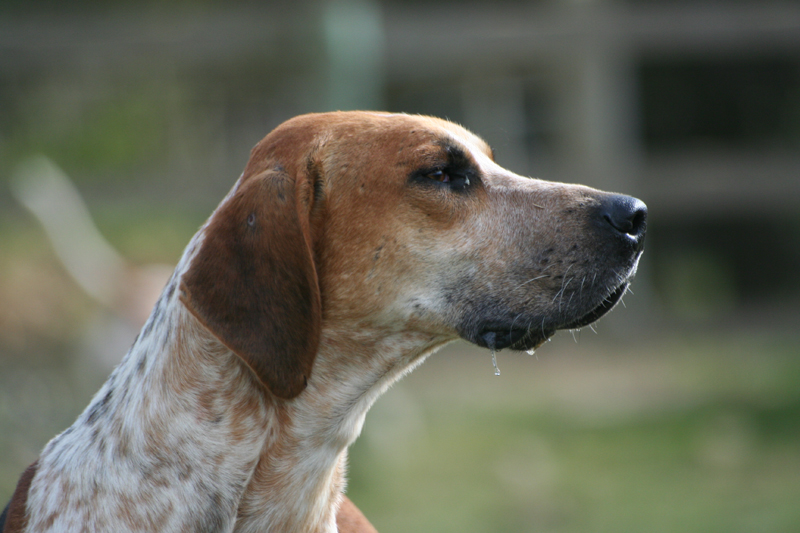
The English Foxhound carries a short, dense, hard coat that is built like body armor. Compared to the American Foxhound (its lighter, leaner cousin), the English Foxhound has a noticeably denser coat with more substantial undercoat. This makes sense historically -- English weather is cooler and wetter than much of the American South where the American variety was developed.
The coat texture is deliberately hard and flat. Every aspect of it serves the working purpose:
- Dense enough to protect against English thorns and hedgerows
- Hard enough to shed rain during all-day hunts in wet weather
- Close-lying to prevent snagging on brush
- Thick undercoat for warmth during cold, damp English winters
Why Professionals Matter for This Breed
Heavy Undercoat Requires Professional Tools
The English Foxhound's undercoat is significantly denser than most pet owners realize. When you push your fingers through the coat, the resistance tells the story -- there is a lot of hair packed into a small space.
Home brushing with standard tools removes surface loose hair but fails to reach the compacted dead undercoat lying against the skin. Professional high-velocity dryers penetrate the dense outer coat and blast dead undercoat from the root. This is the single most important service a groomer provides for this breed.
Without regular professional deshedding, the compacted undercoat:
- Traps heat against the skin (problematic for an athletic breed)
- Holds moisture, creating conditions for hot spots
- Reduces skin airflow, encouraging bacterial and fungal growth
- Increases household shedding as loose hair migrates out slowly
Pendant Ears Need Expert Attention
The English Foxhound's ears are long, set low, and lie close to the head. They are slightly rounded and covered in fine, short hair. Like all pendant-eared hounds, these ears create a warm, moist environment over the ear canal.
Pack-kept English Foxhounds in traditional hunt kennels receive regular ear care as part of kennel management. Companion-kept Foxhounds need the same level of attention through professional grooming. Ear infections in hound breeds cost $150-$300 per veterinary episode, and chronic infections can develop when ear care is inconsistent. Use our free pricing calculator →
Size and Strength Factor
English Foxhounds are substantial dogs -- 55-75 pounds of solid muscle and bone. They are stronger than they look. Professional groomers have the equipment, restraint systems, and experience to handle a large, powerful hound safely during nail trimming, ear cleaning, and bathing. Many owners struggle with these tasks at home simply because the dog is physically difficult to manage.
What Professional Grooming Covers
A complete English Foxhound grooming session:
Grooming Frequency
- Every 6-8 weeks: Full professional session
- Weekly: Home ear check and wipe, brief brushing
- 2-3 times weekly: Brushing with rubber curry brush
- Every 3-4 weeks: Nail check (trim if not wearing naturally)
- Spring and fall: Extra deshedding treatment during coat transitions
The Pack Dog Transition
Traditionally, English Foxhounds lived in packs of 20-80 dogs in dedicated kennels with huntsmen who managed their care daily. The transition to companion life means the dog no longer has dedicated kennel management -- the owner and their professional groomer fill that role.
Pack-kept Foxhounds receive regular body inspections, ear care, and nail maintenance as part of routine kennel operations. Companion-kept Foxhounds need the same systematic care, just delivered through professional grooming appointments rather than daily kennel checks.
This is not about pampering a working dog. It is about replacing the care system the breed was designed to live within.
Finding a Groomer
With fewer than 30 AKC registrations per year, your groomer has almost certainly never seen an English Foxhound. That is fine -- look for transferable experience:
- Experience with large hound breeds (Coonhounds, Bloodhounds)
- Understanding of dense double coat management
- Proper high-velocity drying equipment
- Confidence handling large, strong dogs
- Knowledge that hound coats should never be shaved
Care Worthy of the Breed
The English Foxhound has been carefully bred for over 250 years by English hunt kennels that kept meticulous records. That dedication to the breed deserves equally dedicated care. Professional grooming maintains the dense, hard coat in the condition it was designed to be in -- and keeps this rare, remarkable hound healthy and comfortable in its companion life.
---
Ready to streamline your grooming workflow? PawOps Board Manager helps salons track every English Foxhound from check-in to pickup with real-time visibility. Start your free 30-day trial →
Related Reading: