Understanding Your English Springer Spaniel's Coat: What Every Owner Should Know
Understanding Your English Springer Spaniel's Coat: What Every Owner Should Know
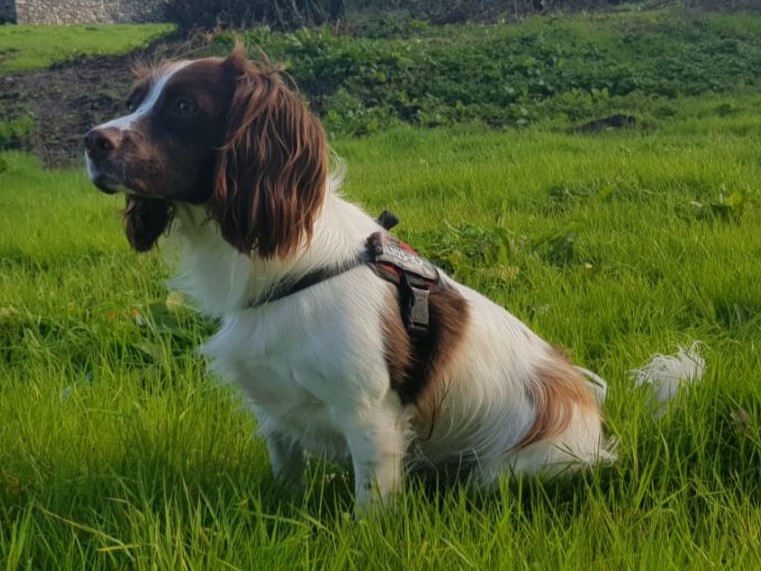
The English Springer Spaniel coat is one of the most recognizable in the sporting group -- that combination of a sleek body coat with flowing feathering on the ears, chest, legs, and belly gives the breed its distinctive, elegant look. But understanding how this coat works, why it behaves the way it does, and what it needs from you is essential knowledge that every Springer owner should have.
The Two-Part Coat System
Springers have a double coat, meaning two distinct layers that serve different purposes.
The Outer Coat
The outer coat is medium-length, flat or slightly wavy, and has a somewhat water-resistant quality. On the body, it lies fairly close and has a firm texture. This layer was developed to protect the dog from thorns, brambles, and underbrush during field work. A proper Springer outer coat sheds water reasonably well -- not as effectively as a Labrador's but enough to keep a working dog functional in wet conditions.
The outer coat transitions into longer, silkier feathering on the ears, chest, backs of the front legs, belly, and rear legs. This feathering is softer and finer in texture than the body coat and is the part that requires the most maintenance.
The Undercoat
Beneath the outer coat sits a softer, denser undercoat that provides insulation. The undercoat is thicker in winter and thins somewhat in summer. During seasonal transitions, particularly in spring, the undercoat sheds in significant quantities.
The combination of these two layers gives the Springer protection from weather extremes, cold water, and physical hazards in the field. It also gives their owners a continuous grooming project.
Field-Bred vs. Show-Bred: Two Very Different Coats
This is something that surprises many Springer owners, especially those who adopted a dog without knowing its breeding background. The English Springer Spaniel breed has diverged significantly into two types, and the coat differences are dramatic.
Field-Bred Springers
Field-bred (or working) Springers have been selected for hunting performance. Their coats are:
- Shorter and tighter on the body
- Minimal feathering (enough for some protection, but trimmed close for practical work)
- Coarser texture
- Less undercoat density
- Generally easier to maintain
Show-Bred Springers
Show-bred (or bench) Springers have been selected for conformation standards. Their coats are:
- Longer and more profuse on the body
- Heavy, flowing feathering on ears, chest, legs, and belly
- Softer, silkier texture
- Denser undercoat
- Significantly more grooming-intensive
The grooming needs between these two types can differ by 30 to 50 percent in terms of time and cost. Use our free pricing calculator → Knowing which type you have helps you set realistic expectations.
Shedding: What to Actually Expect
Springers shed moderately year-round and heavily during seasonal transitions in spring and fall.
The body coat sheds the undercoat steadily throughout the year. You will find short, soft hairs on your furniture, clothing, and floors. During spring coat blowout, the volume increases substantially -- you might find tufts of undercoat pulling loose from the body during brushing sessions.
The feathering sheds less noticeably because the longer hairs tend to tangle into the existing coat rather than falling free. This is actually a problem, not a benefit -- shed hair trapped in feathering is the primary driver of mat formation.
A research paper published in the Journal of Small Animal Practice noted that sporting breeds with feathered coats show the highest incidence of matting-related skin issues among the major breed groups, with spaniels particularly overrepresented.
Matting: The Primary Coat Challenge
If you own a Springer, you will deal with mats. Understanding where and why they form helps you prevent them.
High-Mat Zones
- Behind the ears -- friction from the ear leather against the neck creates constant rubbing
- Under the front legs (armpits) -- movement and friction, especially in dogs that swim
- Belly and groin area -- contact with grass, moisture, and movement
- Between the rear legs (back of thighs) -- friction during running and sitting
- Around the collar -- the collar rubs against feathering all day
Why Mats Form
Mats develop when loose hair gets trapped in the existing coat and tangles together. Contributing factors include:
- Getting wet without being properly dried and brushed (swimming is the biggest culprit)
- Going too long between brushing sessions
- Collar or harness friction
- Burrs, seeds, and plant material working into the feathering
- Normal body movement in friction-prone areas
How to Prevent Them
- Brush feathered areas three to four times per week with a slicker brush
- Always brush and dry completely after swimming or getting caught in rain
- Use a steel comb after slicker brushing to check for hidden tangles
- Apply a detangling spray before brushing to reduce breakage and ease tangles
- Remove collars when your dog is at home to prevent collar-line matting
A Surprising Coat Fact
Here is something that fascinates coat scientists and catches Springer owners off guard: the feathering on a Springer is actually a different hair growth cycle than the body coat. The body coat grows, rests, and sheds on a relatively predictable cycle tied to daylight and temperature changes. The feathering grows on a longer cycle -- it grows more slowly, stays in the active growth phase longer, and sheds less frequently. This is why the feathering can get progressively longer while the body coat stays relatively stable. It also means that feathering that is cut or shaved off takes noticeably longer to grow back than body coat. Groomers account for this when deciding how much feathering to trim -- taking too much off means waiting months for regrowth.
Seasonal Coat Behavior
Your Springer's coat changes throughout the year:
- Spring: Heavy undercoat shedding as the winter coat releases. This is the most grooming-intensive season. Extra brushing sessions and a professional deshedding treatment make a real difference.
- Summer: The coat is at its lightest. Some Springers' coats may appear thinner or less full. This is normal and provides heat regulation. Never shave a Springer -- the double coat insulates against heat as well as cold.
- Fall: New undercoat begins growing in. A moderate shedding event occurs as the summer coat transitions out. Matting risk increases as new and old coat intermix.
- Winter: The coat is at peak density and fullness. The undercoat is thick and insulating. Regular brushing remains important to prevent the dense winter coat from matting.
Essential Coat Care Tools
Every Springer owner needs these:
- Slicker brush -- your primary detangling tool for feathering and body coat
- Steel comb (medium and fine teeth) -- for checking mat-free status after brushing. If the comb glides through, you are done. If it catches, there is still a tangle.
- Undercoat rake -- useful during heavy shedding periods for removing loose undercoat from the body
- Detangling spray -- reduces hair breakage and makes brushing sessions faster and less uncomfortable for your dog
- Pin brush -- gentle option for lighter daily maintenance
- Thinning shears -- for owners comfortable doing minor feathering maintenance between groomer visits
Water and the Springer Coat
If your Springer loves water -- and most of them do, it is a core breed instinct -- you need to know that water is the number one mat accelerator. When the feathering gets wet, the hairs swell, become more flexible, and wrap around each other as the dog moves. If the coat dries in this tangled state, the result is mats that can be extremely difficult to remove.
The rule is simple: every swim or rain exposure should be followed by thorough blow-drying and brushing. Not tomorrow. Not when it is convenient. Before the coat dries on its own. This single habit prevents more mats than any other action you can take.
Coat-Related Health Concerns
Be aware of these issues in Springers:
- Ear infections -- the heavy, feathered ears create a warm, moist environment. Regular ear cleaning and feathering management are essential prevention.
- Hot spots -- trapped moisture under the dense coat, especially in summer, can trigger bacterial hot spots that spread rapidly.
- Seborrhea -- Springers are among the breeds predisposed to seborrheic dermatitis, causing flaky, greasy, or irritated skin.
- Allergic dermatitis -- environmental allergies manifest as skin irritation hidden under the coat.
When to See a Professional
Beyond regular grooming, consult your groomer if:
- Mats are too close to the skin for you to safely remove at home
- You notice a change in coat texture, excessive oiliness, or unusual flaking
- Ear odor or discharge appears between grooms
- Your Springer is scratching more than usual, suggesting skin irritation beneath the coat
PawOps helps grooming salons assess sporting breed coats using condition scoring that accounts for feathering density, mat severity, and skin health -- ensuring every Springer gets grooming tailored to their actual coat rather than a one-size-fits-all approach.