Understanding Your Entlebucher Mountain Dog's Coat: Why Short Does Not Mean Simple
Understanding Your Entlebucher Mountain Dog's Coat: Why Short Does Not Mean Simple
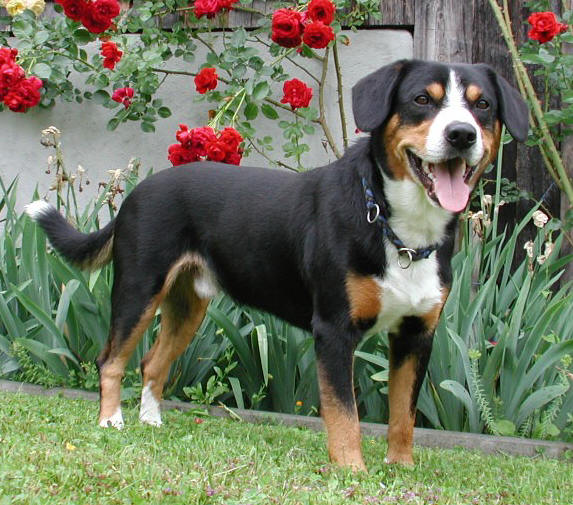
The Entlebucher Mountain Dog looks like a breed you could groom with a quick wipe-down and a pat on the head. That short, glossy tricolor coat -- black base with symmetric white and tan markings -- gives off serious low-maintenance energy. And then shedding season hits, and you discover that your sleek Swiss cattle dog is actually a fur production facility operating at full capacity.
Understanding the Entlebucher's coat helps you manage it effectively and appreciate why this seemingly simple coat is more complex than it appears.
The Engineering Behind the Coat
The Entlebucher Mountain Dog was developed in the Entlebuch valley of the Swiss Alps. The breed worked as a cattle drover, herding cows between alpine pastures, often in challenging mountain weather. The coat needed to:
- Protect against rain and snow
- Insulate against cold without overheating during intense physical work
- Stay short enough to avoid snagging on vegetation and fencing
- Be durable enough for rough terrain
Two Layers, Two Jobs
The Outer Coat
Short, close-lying, hard, and glossy. This layer lies flat against the body like a polished shell. The texture is firm rather than soft -- when you run your hand over an Entlebucher's back, it feels smooth but substantial.
The outer coat serves as the first line of defense. It repels water, deflects debris, and protects the skin from UV radiation. The hard texture means it is naturally dirt-resistant -- an Entlebucher can get muddy, dry off, and shake, and most of the dirt falls away with the dried mud.
The breed standard specifically calls for the coat to be "hard, close-fitting, dense, and glossy." This is not a soft, pet-me coat. It is armor.
The Undercoat
Dense, fine, and surprisingly thick. The undercoat is most prominent on the neck, back, and thighs, though it covers most of the body. It is softer than the outer coat and serves as the insulation layer.
The undercoat is where most grooming challenges originate. It grows and sheds in response to seasonal daylight changes. When it sheds, the fine, dense hairs work their way through the outer coat and onto everything you own.
A study published in the Journal of Animal Science found that short-coated double-coat breeds shed similar amounts of hair per body weight as medium-coated breeds -- the difference is in hair length, not quantity. An Entlebucher's shed hairs are just shorter, which makes them harder to see on the dog but equally prolific in the home.
The Tricolor Pattern
Entlebuchers have a striking tricolor pattern:
- Black -- the primary base color covering most of the body
- Tan (rust/mahogany) -- markings above the eyes, on the cheeks, muzzle, chest, and legs
- White -- a blaze on the face, chest, and feet
One grooming note on color: the black areas tend to show dandruff and skin flaking more visibly than the tan or white areas. If you notice white flakes on your Entlebucher's black coat, it could indicate dry skin, allergies, or simple seasonal shedding. A professional groomer can help determine the cause.
Shedding: The Main Event
Let us talk honestly about Entlebucher shedding because it surprises almost every new owner.
Year-round: Moderate shedding of fine undercoat hairs. You will find them on clothes (they weave into fabric), furniture (especially dark fabrics where they are visible against the tan and white hairs), and floating in the air.
Spring coat blow: Heavy shedding as the thick winter undercoat releases to make way for the lighter summer coat. This lasts two to four weeks and produces remarkable quantities of fine, dense fur.
Fall coat blow: Heavy shedding as the summer coat transitions to the incoming winter undercoat. Similar duration and volume to the spring blow.
The AKC lists the Entlebucher as a breed that "sheds seasonally" but experienced owners would add "and also every other day." The year-round baseline shedding is real and consistent.
Climate Considerations
The Entlebucher was built for the Swiss Alps, not for every climate. Here is how different environments affect the coat:
- Cold climates: This is where the coat performs at its best. The dense undercoat provides excellent insulation, and the hard outer coat handles snow and rain naturally.
- Temperate climates: The coat functions well and the shedding cycle follows normal seasonal patterns.
- Hot, humid climates: The undercoat can make the dog uncomfortable in sustained heat. The coat does provide some insulation against heat, but the dense undercoat also traps moisture from humidity. More frequent deshedding helps. Never shave the coat -- it provides UV protection and actually helps regulate temperature better than bare skin.
- Dry climates: Generally comfortable, but the coat may become dry and dull without adequate moisture. A moisturizing shampoo helps.
Common Coat Questions Answered
Does the coat change as the dog ages?
Yes. Puppies have a softer, less dense coat that gradually transitions to the adult texture between six and twelve months. Senior Entlebuchers (8+ years) may develop a slightly thinner undercoat and the outer coat may lose some of its hard gloss.
Why does my Entlebucher's coat look dull?
Common causes: inadequate nutrition (omega fatty acids are crucial for coat gloss), dry skin from low humidity or over-bathing, or undercoat compaction from insufficient grooming. A professional deshedding and a diet check usually resolve it.
Can the markings change?
The tricolor pattern is set at birth and does not change. However, sun exposure can slightly lighten the black areas and deepen the tan markings. The white areas may develop ticking (small colored spots) as the dog matures, which is common and cosmetic.
Essential Care Routine
Daily/Every other day: Quick once-over with a rubber curry brush or grooming mitt. Takes about five minutes and removes surface loose hair.
Weekly: More thorough brushing with a bristle brush, paying attention to the denser coat areas (neck, back, thighs). Check ears for wax buildup. Takes about 15 minutes.
Monthly: Nail check and trim if needed. Ear cleaning. Sanitary area inspection.
Every 5-8 weeks: Professional grooming appointment for full bath, deshedding, nail trim, ear cleaning, and skin assessment.
The Bottom Line
Your Entlebucher's coat is a masterclass in functional design -- maximum protection from minimum length. Understanding its dual-layer structure, respecting its shedding cycle, and maintaining it with regular professional support keeps the coat performing the way centuries of Swiss Alpine breeding intended.
The coat may look simple. The engineering behind it is anything but.
PawOps helps grooming salons price short double-coated breeds like the Entlebucher based on coat density and shedding stage, ensuring accurate pricing that reflects the actual grooming needs of each visit. Use our free pricing calculator →