Understanding Your Eurasier's Coat: What Every Owner Should Know
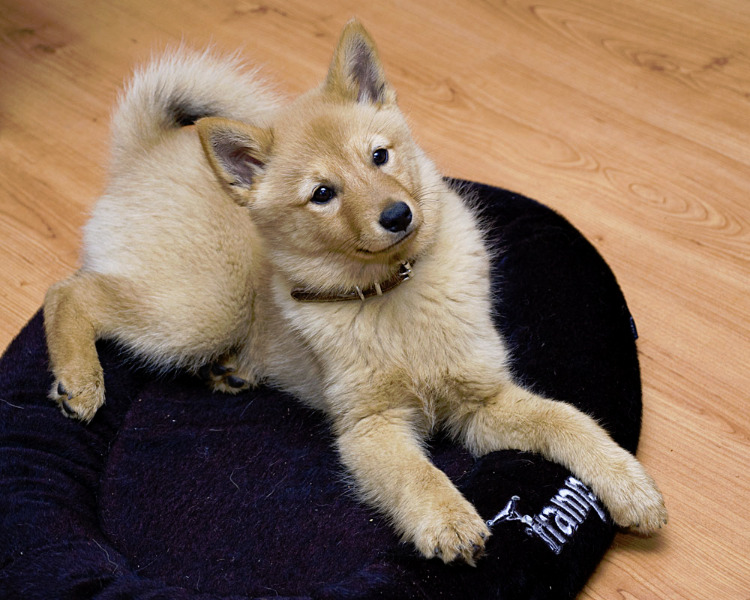
Understanding Your Eurasier's Coat: What Every Owner Should Know
The Eurasier is one of the few breeds where you can trace the coat directly to specific ancestors. Created by Julius Wipfel in the 1960s, the breed is a deliberate combination of Chow Chow, Wolfspitz (Keeshond), and Samoyed. Each ancestor contributed specific coat characteristics, and the result is a unique double coat that does not behave quite like any of its parent breeds.
Understanding these genetics helps you care for the coat effectively.
The Genetic Blueprint
Each founding breed contributed distinct coat traits:
From the Chow Chow: Density. The Chow's profuse, standoffish coat is one of the densest in the dog world. The Eurasier inherited this density in a moderated form -- thick and plush, but not as extreme as a purebred Chow. The tendency toward a heavier ruff also comes from this lineage.
From the Wolfspitz (Keeshond): Texture and stand-off. The Keeshond's outer coat stands away from the body with a distinctive harsh-to-medium texture. The Eurasier's outer coat shares this quality, creating the breed's full silhouette. The spectacle-like facial markings some Eurasiers show also trace to this lineage.
From the Samoyed: Volume and plushness. The Samoyed contributes the overall fullness and softness of the undercoat. Eurasiers with more Samoyed influence tend to have fluffier, more voluminous coats with softer texture.
The mix of these traits means individual Eurasiers can vary in coat type more than you might expect within a single breed. Some lean more Chow-like (denser, heavier ruff), while others lean more Samoyed-like (softer, more voluminous). Understanding which direction your individual dog leans helps you tailor your grooming approach.
Coat Structure: Layer by Layer
The Outer Coat: Medium-length guard hairs that lie loosely against the body with a slight stand-off quality. The texture should be medium -- not as harsh as a true Wolfspitz, not as soft as a Samoyed, and not as profuse as a Chow. The guard hairs are longest on the tail (plume), around the neck and chest (ruff), and on the backs of the legs (culottes or trousers).
The Undercoat: Dense, soft, and shorter than the outer coat. This is where the Eurasier's Chow Chow heritage shows most clearly. The undercoat is thick enough to form a visible layer when you part the outer coat, and it provides the breed's insulation against temperature extremes.
The ratio of outer coat to undercoat varies by individual and by season. In winter, the undercoat thickens dramatically. In summer (post coat blow), the undercoat thins, and the outer coat hangs more loosely.
The Color Spectrum
Eurasiers come in one of the widest color ranges of any breed, and every color is accepted by the breed standard (except liver, blue, and pure white). Common colors include:
Fawn/Red: Ranging from pale cream-gold to deep red. One of the most common colors. The coat often has darker tips (sabling) that create depth and dimension.
Wolf Gray: A multi-banded pattern on each hair that creates a gray, shaded appearance. Directly from the Wolfspitz heritage. Striking and distinctive.
Black: Solid black with a dense coat that shows the breed's silhouette most dramatically. Black Eurasiers may develop some reddish tinting from sun exposure.
Black and Tan: Black body with tan points on the legs, chest, and face. The contrast is visually striking.
Black and Silver: Similar to black and tan but with lighter silver-gray markings.
Coat color does not significantly affect grooming requirements, though lighter colors may show dirt more readily and darker colors show dandruff and dander more visibly.
Seasonal Coat Cycles
The Eurasier's coat follows a seasonal rhythm driven primarily by photoperiod (day length):
Late Fall/Winter: The undercoat thickens in response to decreasing daylight. The coat reaches its maximum density and volume during winter months. The dog looks its most impressive during this period.
Spring (Major Coat Blow): As daylight increases, the body signals the release of winter undercoat. This is the primary coat blow, lasting 2-4 weeks. The volume of shed undercoat during spring coat blow is substantial -- enough to fill multiple bags for a large Eurasier.
Summer: The coat is at its thinnest. The outer coat may look slightly flat without the undercoat's support. This is normal and provides appropriate cooling for warm months.
Fall (Minor Coat Blow or Transition): Some Eurasiers experience a secondary, less dramatic coat blow as the summer coat transitions to the thicker winter coat. Not all individuals show this clearly.
Indoor Eurasiers with consistent artificial lighting may have less distinct seasonal cycles, with more evenly distributed shedding throughout the year rather than dramatic blows. Research on photoperiod in dogs shows that natural outdoor light exposure helps regulate the coat cycle, so time outside benefits coat health and predictability.
The Ruff, Culottes, and Plume
Three areas of the Eurasier coat deserve special attention:
The Ruff: Longer, denser hair around the neck and upper chest. More pronounced in males. The ruff is where mats form first because the junction between ruff hair and body hair creates natural friction zones. Collar and harness wearing accelerates mat formation in this area.
The Culottes: Longer hair on the backs of the thighs and buttocks. These are the second most mat-prone area, especially where the thigh hair contacts the body during sitting and lying down.
The Tail Plume: A generous plume of long hair on the tail, which is carried curled over the back. The plume can tangle where it rests against the back, and debris collects in the longer hair easily.
Home Care Essentials
Effective home grooming keeps your Eurasier's coat healthy between professional visits:
Tools:
- Undercoat rake (the most important tool for this breed)
- Pin brush (for general maintenance)
- Metal greyhound comb (for verification and detail work)
- Slicker brush (for working through tangles)
- Detangling spray (protects coat during brushing)
Shedding Season Routine (daily):
Time Investment: 20-30 minutes per session, 2-3 times per week normally. Daily during coat blows.
Nutrition and Coat Health
The Eurasier's dense coat has significant nutritional requirements:
Protein: The coat is primarily composed of keratin, which requires adequate dietary protein. A minimum of 25-28% protein in the diet supports healthy coat growth and density.
Fatty Acids: Omega-3 (from fish oil) and omega-6 (from plant oils) fatty acids are essential for coat sheen, skin moisture, and anti-inflammatory benefits. Studies show that dogs supplemented with omega-3 fatty acids have measurably improved coat quality within 4-6 weeks.
Hydration: Adequate water intake supports skin hydration, which in turn supports healthy coat growth. The Eurasier's dense coat can make skin dehydration less visible until it becomes a problem.
What Never to Do
- Never shave or clip: The coat may not regrow to its original texture and density. Post-clipping alopecia is a documented risk in dense double-coated breeds.
- Never bathe without brushing first: Water turns tangles into solid mats.
- Never use human shampoo: The pH is wrong for canine skin and can cause irritation and dryness.
- Never ignore persistent scratching: It may indicate packed undercoat, skin irritation, or parasites hidden beneath the dense coat.
A Coat Worth Three Breeds
The Eurasier's coat is a living blend of three remarkable breeds, each contributing something essential to the whole. Understanding which traits came from where helps you appreciate why the coat behaves the way it does and how to care for it effectively. Respect the density from the Chow, the texture from the Wolfspitz, and the volume from the Samoyed. Care for all three properly, and you will have a coat that honors every ancestor that contributed to it.
---
Ready to streamline your grooming workflow? PawOps Board Manager helps salons track every Eurasier from check-in to pickup with real-time visibility. Start your free 30-day trial →
Related Reading: