Understanding Your Finnish Lapphund's Coat: What Every Owner Should Know
Understanding Your Finnish Lapphund's Coat: What Every Owner Should Know
The Finnish Lapphund carries a coat that was forged in some of the harshest conditions on Earth. Above the Arctic Circle, where the Sami people have herded reindeer for thousands of years, a dog's coat is not cosmetic -- it is survival equipment. Understanding how your Finnish Lapphund's coat works helps you maintain it properly and avoid the well-intentioned mistakes that compromise its function.
Coat Architecture: Built for Extremes
The Finnish Lapphund has a profuse double coat consisting of two functionally distinct layers:
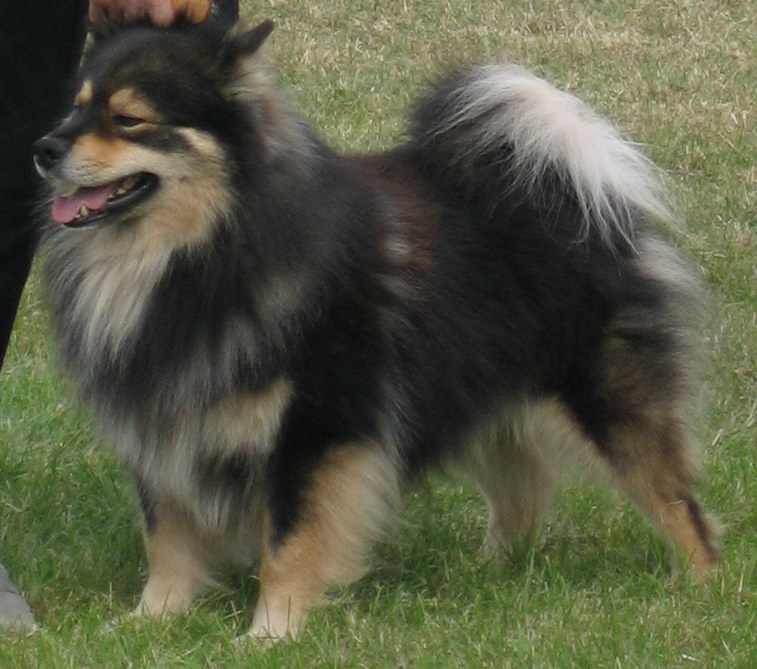
Guard Coat (Outer Layer): Long, straight to slightly wavy, coarse guard hairs that stand off the body. These hairs are naturally water-repellent due to their texture and the oils produced by the skin. They shed rain and snow, block wind, and provide physical protection against brush and rough terrain.
Males typically carry a more profuse coat than females, with a prominent mane or "ruff" around the neck and shoulders that can extend to 4-6 inches. The tail carries a dense plume that the dog curls over its back -- historically used as a face warmer during sleep in extreme cold.
Undercoat (Inner Layer): Dense, fine, woolly hair packed close to the skin. This layer functions as insulation by trapping air in tiny pockets, creating a thermal barrier. In winter, the undercoat thickens dramatically. In summer, it thins to allow heat dissipation.
This dual-layer system is a thermoregulation marvel. The same coat that keeps a Finnish Lapphund warm at -40 degrees also keeps them surprisingly comfortable at 80 degrees -- provided the coat is properly maintained and the undercoat has been thinned appropriately for the season.
The Shedding Cycle: Predictable and Dramatic
Finnish Lapphunds are heavy seasonal shedders with moderate year-round shedding. Understanding the cycle helps you prepare:
Year-Round Shedding: Light to moderate daily shedding of guard hairs and undercoat. You will find hair on furniture, clothing, and in corners. Regular brushing 3-4 times weekly manages this baseline shedding effectively.
The Spring Blow (March-May): This is the main event. The dense winter undercoat releases over a 2-4 week period. The volume of hair is genuinely shocking to first-time Finnish Lapphund owners -- it comes out in clumps, sheets, and handfuls. During peak blow, you may be able to pull loose undercoat out with your bare hands.
A study published in the Journal of Veterinary Dermatology found that Nordic double-coated breeds can shed approximately 30% of their total coat weight during the spring blow, making it one of the most dramatic shedding events in the canine world.
The Fall Transition (September-November): Less dramatic than the spring blow but still significant. The lighter summer undercoat sheds to make room for the dense winter coat growing in. This transition usually takes 2-3 weeks.
Important: The timing and intensity of shedding cycles are influenced by light exposure more than temperature. Indoor dogs in climate-controlled homes may shed more evenly throughout the year rather than in dramatic seasonal bursts.
Color Varieties and Coat Characteristics
Finnish Lapphunds come in a wide range of colors:
- Black: Most common. Dense, rich coat that can appear slightly blue-tinted in sunlight.
- Brown (chocolate): Rich liver color with potential for lighter feathering.
- Cream/Tan: Ranging from pale cream to warm gold. Often has the softest-feeling coat.
- Wolf Sable: Dramatic shading with individual hairs banded in multiple colors. Among the most striking Finnish Lapphund colorations.
- Red: Warm, copper-toned coat.
Coat texture remains consistent across colors, though lighter-colored dogs sometimes have a slightly softer outer coat that may require a touch more attention to maintain water resistance.
The Mane Event
Both males and females develop a ruff of longer hair around the neck, but males take this to another level. A mature male Finnish Lapphund can sport a mane rivaling a lion's -- a thick collar of guard hairs that frames the face and extends across the shoulders.
This mane:
- Takes 2-3 years to fully develop
- Is one of the primary areas where mats form
- Requires dedicated brushing attention separate from the body coat
- Should never be trimmed short (it is a defining breed characteristic)
- Provides impressive visual presence when properly maintained
Critical Care Knowledge
Never Shave This Coat
Shaving a Finnish Lapphund's coat is one of the most damaging things you can do to the breed:
- The guard hairs and undercoat grow at different rates. Shaving disrupts this balance, often permanently.
- The coat may grow back patchy, with altered texture or missing the water-repellent quality.
- The exposed skin is vulnerable to sunburn -- Finnish Lapphund skin has minimal pigmentation under the coat because it evolved to always be covered.
- The insulation system is destroyed. Without it, the dog is actually hotter in summer than it would be with a properly de-shed coat.
The Right Way to Cool a Lappy in Summer
- Professional de-shedding to remove excess undercoat (allows airflow to the skin)
- Access to shade and fresh water
- Exercise during cooler parts of the day
- Cooling mats or damp towels for resting on
- The coat itself provides shade and UV protection -- work with it, not against it
The Practical Care Calendar
Weekly Routine (15-20 minutes, 3-4 times):
- Slicker brush through the outer coat
- Undercoat rake through dense areas (mane, pants, belly)
- Metal comb to check for developing tangles in mane, behind ears, armpits
- Quick ear check
- Thorough inspection of the entire coat, parting the hair to check skin condition
- Check paw pads for excess hair growth
- Evaluate nail length
- Full bath and blow-dry
- Comprehensive de-shedding
- Minimal trimming (feet, hocks, sanitary)
- Ear cleaning and nail trimming
- Increase brushing to daily during the coat blow
- Schedule 1-2 extra professional de-shedding sessions
- Consider supplementing omega-3 fatty acids to support new coat growth
Essential Tools for Finnish Lapphund Owners
- Undercoat rake: The primary tool for working through the dense undercoat. Choose one with rotating teeth to reduce pulling.
- Slicker brush: For the outer coat and for smoothing after undercoat raking.
- Metal greyhound comb (wide and fine tooth): For checking your work and detangling specific areas.
- Pin brush: Gentle option for the face and ear areas.
- Spray conditioner: Light mist before brushing reduces static and eases brush movement through the coat.
Living With the Coat
Owning a Finnish Lapphund means accepting that dog hair is now a condiment, a fashion accessory, and a permanent fixture in your life. A lint roller lives in every room. Your car seats have a fur layer. Your washing machine filter gets cleaned twice as often.
But that coat is also why you fell in love with this breed. The softness, the magnificence, the way it frames their gentle, intelligent face. Understanding it -- its cycles, its needs, its engineering -- makes you a better partner to your Lapphund. And a properly maintained coat means a comfortable, healthy dog who is ready for whatever adventure you plan next, whether that is a winter hike or a summer evening on the porch.
---
Ready to streamline your grooming workflow? PawOps Board Manager helps salons track every Finnish Lapphund from check-in to pickup with real-time visibility. Start your free 30-day trial →
Related Reading: