Understanding Your Flat-Coated Retriever's Coat: What Every Owner Should Know
Understanding Your Flat-Coated Retriever's Coat: What Every Owner Should Know
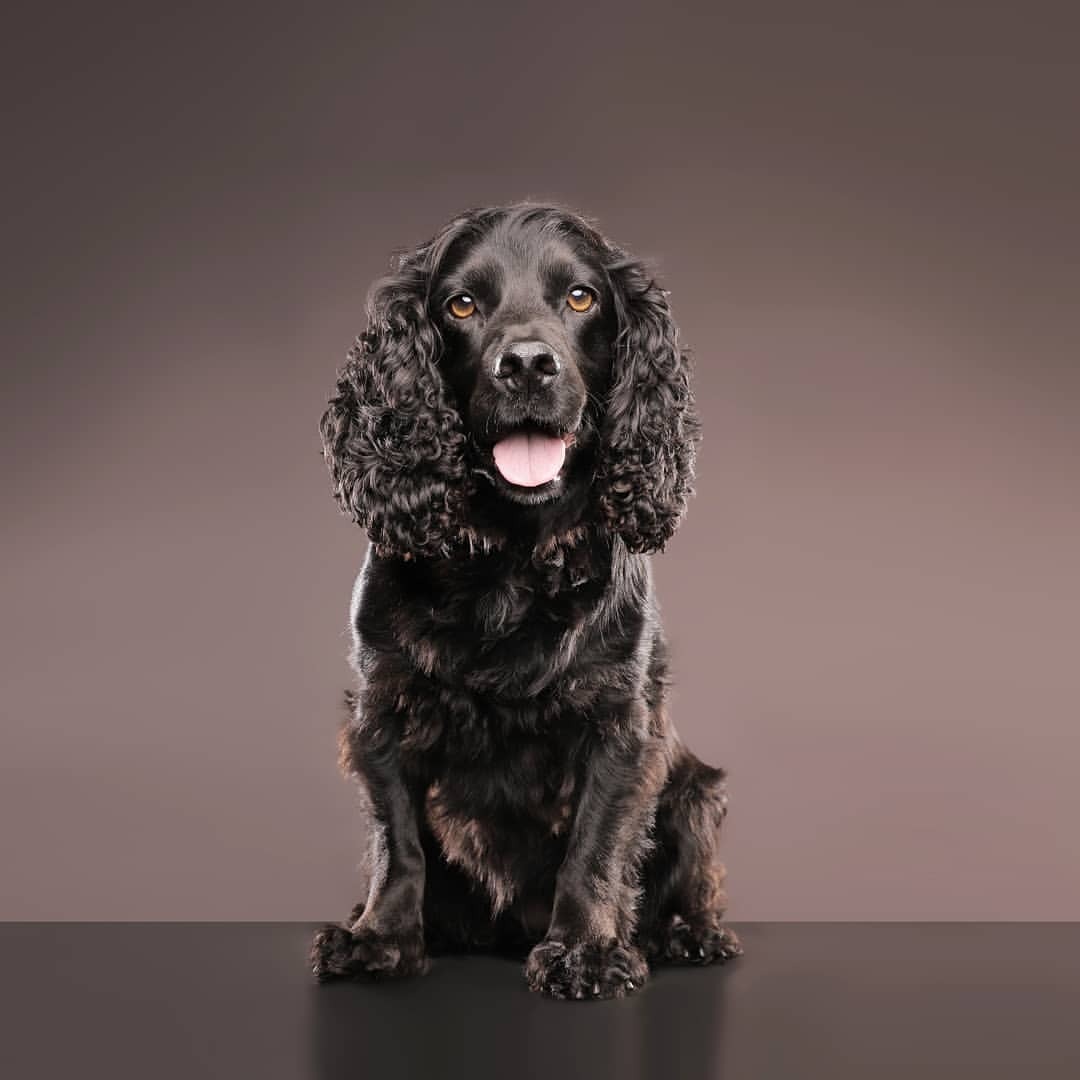
The Flat-Coated Retriever's coat is its calling card. Dense, lustrous, and lying flat against the body — it creates a streamlined silhouette that speaks to the breed's elegance and athleticism. Understanding the flat-coated retriever coat helps you maintain it properly and appreciate why this breed looks so distinctively polished.
What Makes It "Flat"
The breed's name says it all. While Golden Retrievers have wavy, flowing coats and Curly-Coated Retrievers have obvious curls, the Flat-Coat's hair lies smoothly against the body, following every contour.
This flat-lying quality comes from:
- Hair texture: Fine to medium individual hairs that are straight to only slightly wavy. There's no curl or kink to push the coat outward.
- Hair weight: The coat has enough density and weight to lie flat naturally, aided by natural oils that keep the hairs oriented downward.
- Growth direction: The coat grows in a consistent direction across the body, creating a smooth, unified appearance.
The AKC standard emphasizes this quality: "The coat is of moderate length, density and fullness, with a high lustre." That lustre is the quality standard — it indicates health, proper maintenance, and good genetics.
Color Varieties
Flat-Coated Retrievers come in two recognized colors:
- Black: The more common variety. Deep, rich black with a blue-black sheen in good condition.
- Liver: A warm, dark brown. Equally striking, with a chocolate-toned shine.
Color affects coat appearance in maintenance:
- Black coats show dandruff and dry skin immediately but hide some staining
- Liver coats show sun bleaching less dramatically than black but reveal wet spots and staining more visibly
- Both colors develop that signature lustre when the coat is healthy and well-maintained
The Undercoat Component
Flat-Coats have a moderate undercoat — denser than a Pointer's but less dense than a Golden Retriever's:
- Thicker on the chest, belly, and hindquarters
- Thinner on the head, front of the legs, and around the ears
- Seasonal variation: denser in winter, lighter in summer
- Dense enough for cold-water retrieval but not so dense that it dominates the coat profile
But the undercoat also creates the primary grooming challenge. When it sheds, it releases from underneath the outer coat and can form trapped clumps if not brushed out. These clumps eventually mat against the skin, reducing the coat's flat-lying quality and causing skin irritation.
Feathering Characteristics
Flat-Coat feathering is moderate — less extensive than a Gordon Setter's but more than a Lab's:
Where it grows:
- Backs of the front legs
- Chest (a moderate ruff)
- Belly and underside
- Backs of the thighs
- Underside of the tail
Maintenance needs: Combing 2-3 times weekly with a wide-tooth comb. Featherings mat at the same locations as other feathered breeds — behind ears, under legs, and in the pants area.
Shedding Patterns
Flat-Coated Retrievers shed moderately — less than a Golden, more than many people expect from a retriever:
Year-round: Light, consistent shedding. You'll find hairs on furniture and clothing daily.
Spring: The heavier shed. The winter undercoat releases over 2-4 weeks. Daily brushing and a professional de-shedding treatment during this period make a real difference.
Fall: Moderate shedding as the coat transitions to winter density.
A Flat-Coated Retriever breed survey found that 67% of owners rated shedding as their primary coat management concern, above matting (19%) and grooming cost (14%). Use our free pricing calculator → Managing expectations around shedding is important — this is a double-coated breed, and shedding is part of the package.
The Water Dog Coat
The Flat-Coat's coat is designed for water, but water creates specific care demands:
Water resistance: The natural oils in the coat create a degree of water repellency. A healthy Flat-Coat emerging from water shakes off the bulk of moisture quickly. This water resistance diminishes with over-bathing or harsh shampoos.
Drying protocol: After swimming, the outer coat dries relatively quickly. The undercoat does not. Trapped moisture in the undercoat creates ideal conditions for hot spots and bacterial infections.
Best practice after swimming:
Chlorine and saltwater: Both damage coat quality over time. Rinse with fresh water after pool or ocean swimming to remove chemical and salt residue.
Home Care Essentials
Core tools:
- Pin brush (body coat)
- Slicker brush (undercoat)
- Wide-tooth comb (featherings)
- Ear cleaning solution
- Hound glove (quick daily maintenance)
- 2-3 times weekly during normal periods (15 minutes)
- Daily during spring shedding season (10-15 minutes)
- After every swim (5-10 minutes, focused on featherings and ears)
- Every 4-6 weeks, or as needed after particularly dirty adventures
- Use a gentle shampoo that preserves natural oils
- Condition featherings lightly to prevent tangling
- Dry thoroughly, especially the undercoat
Coat Health Indicators
Healthy Flat-Coat coat:
- High lustre — that signature glossy sheen
- Lies flat and smooth against the body
- Featherings flow freely without tangles
- Undercoat present but not packed
- Skin underneath is clean and pink
- Loss of lustre (dull, flat appearance) — check nutrition and bathing products
- Coat lifting or standing away from body — undercoat buildup or skin irritation underneath
- Patchy thinning — see your vet (rule out thyroid or dermatological conditions)
- Persistent dandruff — dry skin from over-bathing, low humidity, or nutritional deficiency
- Hot spots — common in water dogs, treat immediately
---
Ready to streamline your grooming workflow? PawOps Board Manager helps salons track every Flat-Coated Retriever from check-in to pickup with real-time visibility. Start your free 30-day trial →
Related Reading: