Understanding Your German Shorthaired Pointer's Coat: What Every Owner Should Know
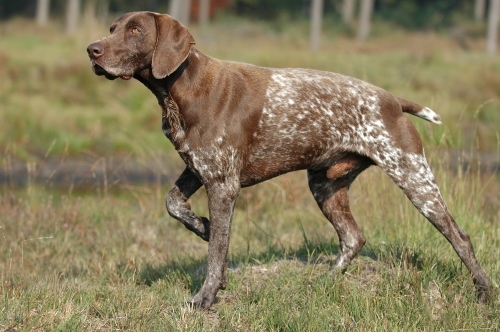
Understanding Your German Shorthaired Pointer's Coat: What Every Owner Should Know
The German Shorthaired Pointer coat is a masterpiece of functional design. Dense, water-resistant, and tough enough for field work — it was engineered over centuries to protect an all-purpose hunting dog through any terrain and weather condition. Understanding how the german shorthaired pointer coat works helps you maintain it properly and appreciate what generations of breeding created.
The Double Coat System
The GSP has a true double coat, which surprises people who see "shorthaired" in the name:
Outer coat: Short (about 1/2 to 1 inch), thick, and coarse. The hairs are straight and lie flat against the body. This layer repels water, sheds dirt, and provides the first line of defense against thorny brush, biting insects, and UV exposure.
Undercoat: Dense and soft, packed close to the skin. Thicker on the chest, belly, and hindquarters where protection matters most. This layer provides insulation in cold water and cold weather.
The two layers work as a system. The outer coat keeps water out; the undercoat keeps warmth in. When both layers are healthy, a GSP can retrieve from cold water and be mostly dry within minutes of shaking off. That's remarkable engineering.
There's a coat variation within the breed: some GSPs have a slightly thicker coat than others, and the undercoat density varies. Dogs from field lines tend to have denser, more weather-resistant coats than those from show lines. This variation affects shedding intensity and grooming needs.
The Water-Resistance Factor
GSP coat water resistance comes from two sources:
This water resistance is a feature you want to preserve. Washing with harsh shampoos strips the natural oils, and it takes 48-72 hours for the coat to restore its protective layer. During that window, the coat absorbs rather than repels water.
For GSP owners who hunt or do water work with their dogs, this matters. A freshly over-washed GSP gets waterlogged more easily, takes longer to dry, and loses body heat faster in cold water.
The practical takeaway: bathe your GSP when needed, but don't over-bathe, and use gentle products that preserve the coat's natural function.
Color Patterns and Coat Variations
GSPs come in distinctive color patterns:
- Liver and white: The most common. Can be patched, ticked (small spots), or roan (intimately mixed liver and white hairs)
- Liver: Solid liver color
- Liver roan: A beautiful marbled mix of liver and white hairs
- Black and white: Same patterns as liver and white but with black pigment (recognized in some registries)
- Black roan: Same as liver roan but black
Color doesn't affect coat function or grooming needs. A liver roan GSP sheds exactly as much as a solid liver one.
Shedding: The Real Talk
Let's be direct: GSPs are prolific shedders. The American Kennel Club rates them as a high-shedding breed, and owner surveys consistently place them in the top 20% of shedding breeds.
The shedding pattern follows a seasonal cycle with a year-round baseline:
Year-round: Moderate shedding. Dead outer coat and undercoat hairs release continuously. You'll find short, bristly hairs on everything.
Spring (March-May): Heavy shedding. The winter undercoat blows as temperatures rise. This is peak shedding season. Hair comes out in clumps during brushing, and every surface in your home collects a layer.
Fall (September-November): Moderate-to-heavy shedding as the summer coat transitions to winter density. Less dramatic than spring but still noticeable.
A study published in the Journal of Animal Science tracked shedding cycles in sporting breeds and found that double-coated breeds shed approximately 50% of their annual hair loss during the spring coat blow, with the remaining 50% distributed across the rest of the year.
Managing the Shed
You can't stop a GSP from shedding, but you can manage it:
Home tools that work:
- Rubber curry brush: Excellent for regular sessions. The rubber nubs grab loose hair effectively.
- Bristle brush: Good for finishing and distributing natural oils.
- Grooming mitt: Quick and easy for daily wipe-downs.
- Deshedding tool (like a Furminator): Use carefully — these can damage the coat if overused. Once a week maximum during shedding season.
Nutrition: A diet rich in omega-3 and omega-6 fatty acids promotes healthy hair growth cycles and can reduce excessive shedding. Fish oil supplements show measurable results within 6-8 weeks.
Coat Health Indicators
Your GSP's coat tells you about their overall health:
Healthy coat:
- Subtle sheen (not dull, not greasy)
- Dense, uniform texture across the body
- Flat-lying outer coat
- Skin underneath is pink and clean
- Consistent shedding pattern
- Excessive shedding outside normal seasonal patterns (check thyroid, stress, diet)
- Dull, dry coat (nutritional issue, over-bathing, or health problem)
- Patchy hair loss (dermatological or hormonal condition — see your vet)
- Greasy, smelly coat (skin infection, yeast overgrowth, or metabolic issue)
- Rough, brittle outer coat (environmental damage, nutritional deficiency)
Seasonal Care Calendar
Spring:
- Increase brushing to daily during the coat blow
- Schedule a professional de-shedding treatment
- Check for ticks as outdoor activity increases
- Maintain weekly brushing
- Dry ears thoroughly after every swim
- Watch for hot spots in warm, humid weather
- The coat provides some sun protection, but light-skinned areas (belly, nose) may need sunscreen
- Brush 2-3 times weekly as the winter coat comes in
- Schedule another de-shedding treatment
- Tick checks continue until first hard frost
- The coat handles cold well with the winter undercoat intact
- Continue weekly brushing
- Moisturize dry skin if indoor heating creates low humidity
- The coat's water resistance helps with rain and snow
---
Ready to streamline your grooming workflow? PawOps Board Manager helps salons track every German Shorthaired Pointer from check-in to pickup with real-time visibility. Start your free 30-day trial →
Related Reading: